Home>Audiophile>What Audiophiles Are Asking AI Tools About Their Sound Setup
Audiophile
What Audiophiles Are Asking AI Tools About Their Sound Setup
Modified: 28 August 2026
Table of Contents
- What Audiophiles Are Asking AI Tools About Their Sound Setup
- Why Audiophiles Are Turning to AI
- The Questions That Come Up Most Often
- How AI Compares to Forum Research
- The Value of a Knowledgeable Audio Friend
- What Makes an AI Tool Actually Useful for Audio
- Where AI Still Has Limits
- What AI Adds to What Audiophiles Already Know
- The Answer Is Already in Your Hands
What Audiophiles Are Asking AI Tools About Their Sound Setup
Audiophiles have always been a community of researchers. Before a single dollar leaves the wallet, there are specs to compare, impedance curves to cross-reference, and a dozen forum threads to read through. That process has not changed, but the first step is shifting. More and more, the opening move is typing a question into an AI tool rather than reaching for the search bar. And the questions being asked are specific, technical, and deeply personal to the listening setup at home.
Key Takeaways:
- Audiophiles are using AI tools to get fast, specific answers on gear compatibility, formats, and signal chain questions
- The best AI tools for audio Q&A understand the jargon and context without requiring you to over-explain
- Speaker pairing, DAC selection, and file format debates are among the most common topics
- AI can replace the late-night forum search for many routine questions, saving hours of reading through conflicting opinions
- Tools that handle audio questions well function like a knowledgeable friend who is always available
Why Audiophiles Are Turning to AI
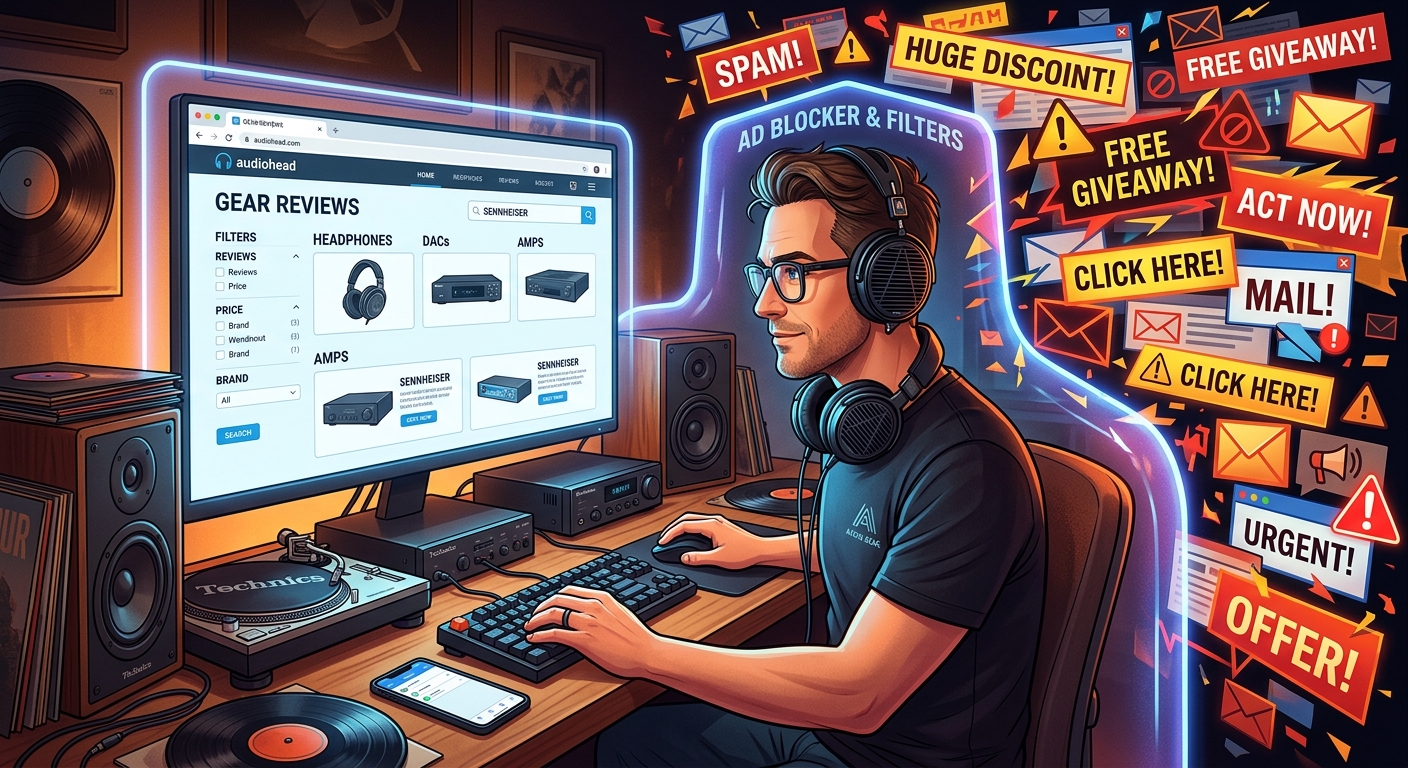
The audiophile hobby rewards patience. It also punishes confusion. When you are trying to match a new integrated amplifier to a pair of bookshelf speakers you love, you need answers that account for sensitivity ratings, room size, and the kind of music you actually listen to. General search engines return a mix of product pages, old forum posts, and marketing content. Sorting through that takes time.
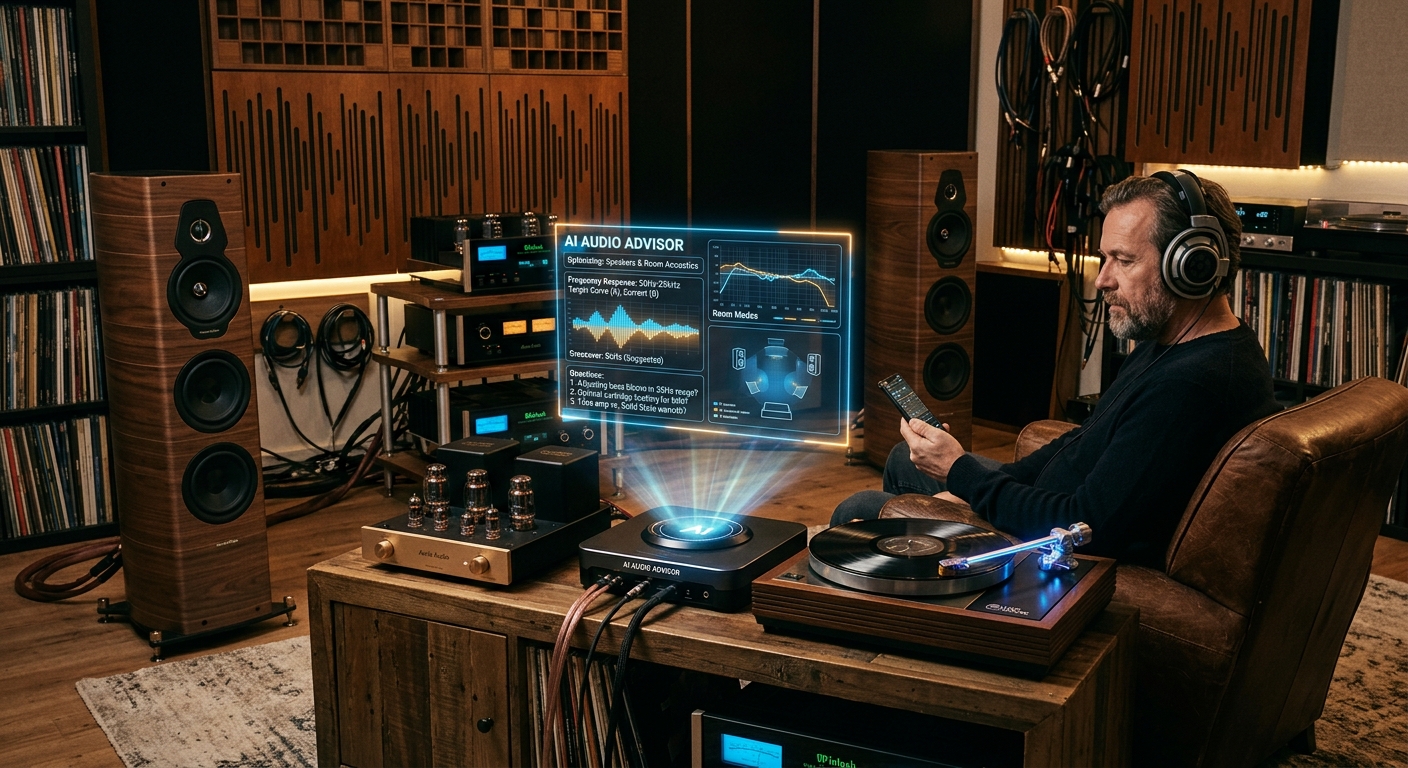
AI tools are changing that equation. They can hold context across a conversation. If you tell a tool that your room is small, your budget is fixed, and you prefer a warmer sound signature, it can factor all of that into the next answer. That kind of context-aware response is hard to find in a forum thread from 2019.
According to the Wikipedia overview of high-fidelity audio, the goal of a hi-fi system has always been accurate reproduction of the source material, and achieving that goal requires matching components carefully. Getting those matches right is exactly where audiophiles are finding AI most useful.
The Questions That Come Up Most Often
Speaker Pairing and Impedance
This is the question that never goes away. Someone buys a new amplifier or receiver, and the first thing they want to know is whether it will drive their speakers safely and sound good doing it. The follow-up questions branch fast. What is the minimum impedance dip? Does the amplifier clip at the listening volume they use? Is the sensitivity of the speaker well-matched to the amplifier's output wattage?
These are not simple questions to look up. The answers depend on multiple variables at once. AI handles them well because it can reason across those variables in a single response rather than sending you to five different articles.
DAC and Streamer Selection
The digital front end has become one of the most discussed parts of any modern system. Questions about which DAC chip matters, whether bit-perfect output is achievable through a specific streaming app, and how USB implementations compare to S/PDIF are regular topics. Most listeners do not have an electronics background. They want a straight answer about what matters and what is marketing language.
AI tools have proven good at cutting through the noise here. They can explain why a particular DAC implementation matters or does not matter in plain terms, and then back it up with enough technical detail for the person who wants to go deeper.
Audio Formats and File Quality
FLAC versus WAV. DSD versus PCM. MQA and its controversy. Lossy streaming at high bitrates versus lossless. These debates have filled audiophile forums for years and show no signs of calming down. The problem is that a lot of the discussion is opinion dressed up as fact.
AI can present the measured differences, explain what the research actually shows about audible thresholds, and give a realistic picture of what a listener will or will not hear in their specific setup. That is more useful than reading twenty posts where people talk past each other.
Comparing Common Audiophile Questions and How AI Handles Them
| Question Type | Complexity | Why AI Handles It Well |
|---|---|---|
| Speaker and amp pairing | High | Cross-references sensitivity, impedance, and wattage at once |
| DAC chip and implementation | Medium | Separates spec from marketing language clearly |
| File format audibility | Medium | Presents measured evidence without forum-style bias |
| Cable and interconnect debate | Low to Medium | Acknowledges subjectivity without dismissing the question |
| Turntable and cartridge matching | High | Accounts for compliance, tracking force, and phono stage together |
How AI Compares to Forum Research
Forums are irreplaceable for one thing. They contain years of real-world experience from people who have owned specific pieces of gear. That lived-in knowledge is genuinely valuable and AI cannot replicate it. But forums have their own problems.
Thread quality is unpredictable. Outdated information sits alongside current advice with no easy way to tell which is which. Strong personalities dominate discussions and can make it hard to get a neutral read on a topic. And if your question is slightly unusual, you may wait days for a response.
For the kind of questions audiophiles ask routinely, especially questions that are well-documented and based on engineering principles, AI is now a faster starting point. It handles the foundational explanation well, and then the forum becomes the place to go for nuanced real-world experience on specific units.
The Value of a Knowledgeable Audio Friend
There is a concept in audiophile culture called the "friend who knows." It means knowing someone who has actually heard the gear, understands the tradeoffs, and can give you an honest read without trying to sell you something. That friend is rare, and not everyone has one.
That is the closest comparison to what a good AI tool does for audio questions. Searching for AI music and gear queries together, listeners are getting the kind of jargon-literate, context-aware responses that used to require either deep personal knowledge or knowing the right people. The tool does not have ears, but it understands the vocabulary, the measurements, and the logic of system matching well enough to be genuinely useful.
This changes the onboarding experience for newer listeners especially. Instead of being overwhelmed by conflicting information, they can ask a direct question and get a coherent, structured answer that points them toward further research rather than away from it.
What Makes an AI Tool Actually Useful for Audio
Not every AI tool is equally capable here. The difference shows up in the specifics. A tool that understands the distinction between power handling and sensitivity is different from one that treats speaker specs as interchangeable. A tool that knows what a phono stage does is different from one that needs the concept explained from scratch.
The qualities that matter most for audio Q&A:
- Familiarity with measurement terminology such as THD, SNR, frequency response, and impedance curves
- Ability to hold context across a multi-turn conversation about a full system
- Willingness to say when a question comes down to personal preference rather than objective measurement
- Understanding of signal chain order and how each component affects the next
- Awareness of current market options without relying on promotional framing
Where AI Still Has Limits
There are things AI will not replace. Listening is one of them. A recommendation that sounds perfect on paper may not suit a particular room or a particular listener. The synergy between components is real, and measuring it in advance is difficult.
Subjective listening impressions, particularly for headphones and speakers, still require reading from people who have actually put the gear on or placed it in front of them. Review culture in the audiophile community exists for good reason. Measurements from trusted independent testing sources carry weight that AI cannot generate on its own.
The best use of AI in this context is as a filter and accelerator. Use it to narrow the field, understand the fundamentals, and frame the right questions. Then go to listening tests and community discussions with a clearer picture of what you are looking for.
What AI Adds to What Audiophiles Already Know
The audiophile community is not short on knowledge. It is sometimes short on accessible, patient, non-judgmental answers. A new listener asking a basic question about bit depth on a forum can get a range of responses, from genuinely helpful to condescending to completely off-topic.
AI fills that gap with consistency. The answer to the same question is roughly the same quality every time. There is no bad day, no gatekeeping, and no social dynamic that makes a person feel foolish for asking something foundational. That consistency has real value. It means more people can get past the intimidating front end of audiophile research and spend their time on the part that actually matters, which is listening.
The Answer Is Already in Your Hands
The tools to get fast, reliable, jargon-literate audio answers are available right now. Audiophiles who have started using AI for gear research are not replacing their community or their listening sessions. They are replacing the two-hour forum search that used to come before the good part.
If your next question is about matching a new DAC to your existing setup, understanding why your amplifier sounds different at low volumes, or figuring out whether that cable upgrade is worth the price, type it into an AI tool first. The answer is usually better than the first page of results, and you will still have time to check what the forums say afterward.