Home>Production & Technology>Audiobook and Podcast Playback and Management
Production & Technology
Audiobook and Podcast Playback and Management
Modified: 3 October 2026
Table of Contents
- Understanding audiobook formats and basics to manage audiobooks and podcasts
- Playing audiobooks on your phone
- Moving audiobooks onto your phone
- Loading audiobooks onto dedicated players
- Converting and combining audiobook files
- Burning and creating physical copies
- Managing your audiobook library
- Getting audiobooks from audible
- Controlling podcast playback
- Viewing and deleting podcast history
- Setting up and managing a podcast
- Checking podcast stats and performance
- Audiobook creation careers and pricing
Understanding audiobook formats and basics to manage audiobooks and podcasts
To manage audiobooks and podcasts on your phone effectively, it helps to grasp the difference between an ebook and audiobook: the first is a text file you read on a screen, while the second is a packaged set of audio tracks you listen to. A single spoken-word title often arrives as a directory containing chapter files, cover artwork, and metadata, and providers like Apple and Google Play Books accept formats such as .mp3, .aac, .flac, or .zip. Durations range from a 5-minute minimum up to a 100-hour cap, and audiobook file size depends entirely on the bitrate, length, and format of the recording, so a short novel encoded at a low bitrate will take up far less space than a sprawling, high-fidelity production.
Listeners curious about epic works frequently ask about Bible audiobook duration, but no single official figure exists across all editions because length varies by edition and narrator. Others wonder about the longest audiobook on get epic; while its collection includes 40,000+ books, it does not publish a maximum runtime for any single entry. If you are experimenting with audiobook listening while asleep, be aware that no platform help page documents a specific playback effect or warning for overnight use, so you will need to rely on your device’s sleep timer or general playback controls to avoid losing your place.
Playing audiobooks on your phone
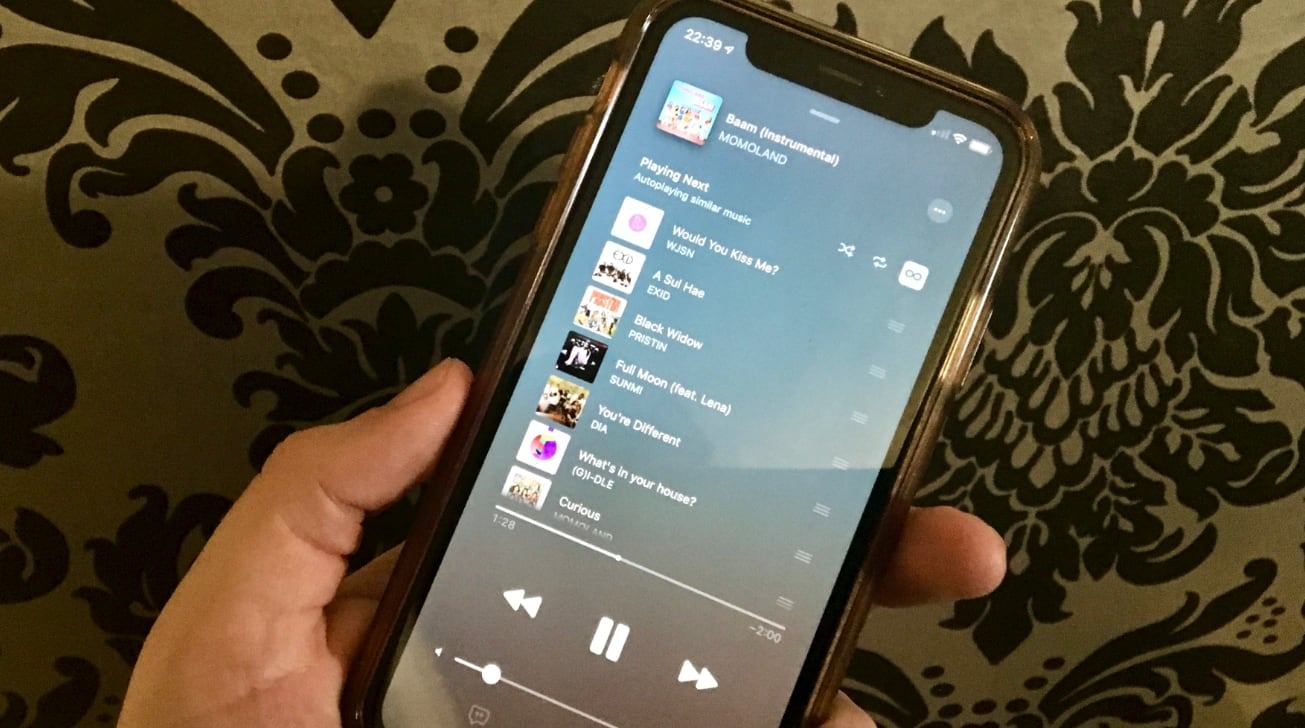
Getting your first spoken-word title to play usually starts inside the store where you bought it. On an iPhone, open the Books app, tap your collection, then tap the cover of the title you want to hear. While it is playing, you can use the rounded arrows next to the Pause button to skip forward or back, and the audio will keep running on a paired Bluetooth speaker or on CarPlay if you are in the car.
If you are trying to play m4b audiobook on Android. For titles purchased from the online retailer, you listen to an audiobook from Amazon by opening the Audible app, signing in with your Amazon account, and selecting the book from your catalog. If you are at a computer, the website player lets you click Listen now right next to the title.
When you run into audiobook playback issues in Audible, the most reliable fix is a fresh download. Update the app from the App Store first, then remove the download using the three-dot menu on the title, and finally pull a fresh copy from your catalog.
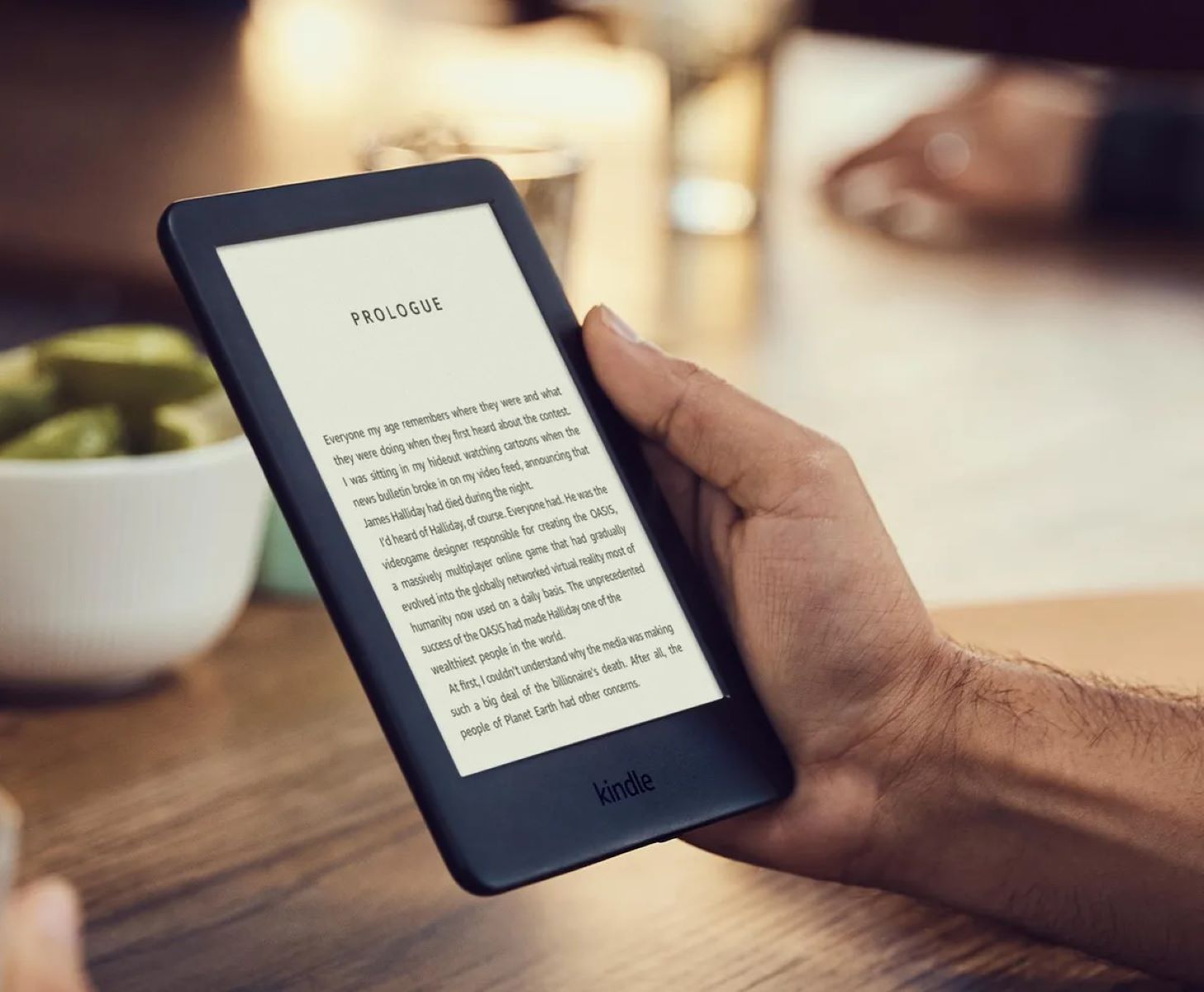
To play audiobook on Kindle, Kindle e-readers are built for text, but the Audible app lets you switch between reading and listening.
Moving audiobooks onto your phone
Getting an audiobook file from your computer onto your phone is less straightforward than dragging a music folder. The files you buy from major stores are wrapped in a license rather than a track you own. There is no general sideload or file-copy procedure to transfer an audiobook to an Android phone. On an iPhone, the route is even more locked down. There is no separate import workflow from a computer to copy audiobook to iPhone. There is no separate workflow to add audiobook to iPhone. You can stream or save it directly inside the provider's app. You can stream or save it directly inside the provider’s app. For example, you can download an audiobook from hoopla. After installing the app on a phone or tablet running iOS 9.3.5 and up, you borrow the title. Tap the Download to your device button below the Play icon. Then wait for the full file to arrive before going offline.
Loading audiobooks onto dedicated players
Moving a spoken-word title onto a dedicated player almost always requires a computer because your phone alone usually cannot do it. The core reason is licensing: what you buy is a right to listen, not an open audio file you can drag anywhere, and most direct phone-to-player transfers are blocked by that DRM layer. If your goal is to download audiobooks to MP3 player, the documented path for Audible titles runs through the AudibleSync app on a desktop, where you plug in a supported MP3 or accessibility device and the software handles the transfer from your collection. The same computer-first rule applies when you want to download an audiobook to an iPod. Even less is documented for other brands. You might try to upload an audiobook to SanDisk MP3 player, but the vendor’s support materials do not list a direct flow or confirm compatibility. In practice, that means you should expect to sit down at a laptop, open AudibleSync, and transfer titles to a supported device before you head out the door for a phone-free walk.
Converting and combining audiobook files
When a book arrives as a folder full of numbered tracks, you may want to combine MP3 files into audiobook format so your player treats it as one title instead of a scattered playlist. This is not a built-in feature of the Audible or Google Play Books apps, though Google’s publisher guidance confirms a single spoken-word title can be packaged as a ZIP containing MP3 files, a structure you can reference when using a third-party merger tool on your computer before moving the finished file to your device.
If a file lands in a music-only wrapper that your book app refuses to open, you will need to convert MP3 into audiobook containers like M4B that preserve chapter markers and remember your listening position. The conversion happens on a desktop, not inside any major store’s mobile app. For those with a physical shelf of old titles, the most direct path to copy an audiobook CD to MP3 is to use ripping software that reads the disc and encodes each track as a separate audio file you can then bind together.
Things get murkier when you try to convert audible books to MP3 or download audible books to MP3. The Audible service’s official workflow only sends titles to its own app, or on Windows the AudibleSync program transfers them to a supported MP3 device or accessibility device, with no phone-side export that strips the DRM and hands you an open MP3. The same wall appears if you want to put audiobook from Google play on MP3, since the Play Books app only lets you stream or download for offline listening inside the app without providing a consumer-facing control to pull the raw files out to a generic music player.
Burning and creating physical copies
Creating a physical copy or a standalone file from your collection often bumps into the same licensing wall because you own the right to listen inside the app, not the audio itself. On a Mac, you can still burn audiobook onto CD, but Apple says the Burn Playlist to Disc command will be missing if the playlist contains items with usage restrictions. Open the Music app, build a playlist with your chapters, and switch to View > as Songs to confirm every track is checked. Then insert a blank disc and choose File > Burn Playlist to Disc. If that command is grayed out, the burn will not proceed. The dialog lets you set a preferred speed, a gap between songs, whether to use Sound Check, and whether to include CD Text. No Apple support page documents a way to burn an audiobook directly to CD on an iPhone, and no official Android or carrier help page documents a phone-based CD-burning path for audiobooks.
For creators, the goal shifts from copying to publishing. When you want to make audiobook for YouTube, no official YouTube help page documents a workflow for creating an audiobook from a phone. This file pairs your cover art with the full narration, and you upload it using the standard YouTube Studio flow on a computer, since the phone app is not built for long-form file assembly of this kind. If you aim to make an audiobook for Amazon. In both cases, the phone serves best as a playback tester for a file you have already mastered elsewhere.
Managing your audiobook library
After you have listened to a title, you may want to reclaim the storage space it occupies. On an iPhone, you can remove an audiobook from an iPhone through the Books app by tapping below the cover, tapping Remove, and choosing Remove Download. This clears the audio data but leaves the title in your collection for future streaming. If you need to remove audiobook Kindle, the process works differently than it does in Apple’s ecosystem. You should look for a removal option tied to your device’s content management settings.
Beyond clearing space, there are a few limited ways to pass a title along. While most platforms lock a purchase to your account, you can still share an audiobook with family members if your store offers a household sharing feature that pools eligible licenses. When you want to give a fresh copy rather than loan your own, you can gift an audiobook on iTunes by purchasing it directly via the Store tab. If you have lost your spot in a long recording, locating your audiobook chapter page usually means scrubbing through the chapter list manually, though official apps do not map a spoken chapter to a print page number. For study guides or maps, you can often download the PDF that comes with my audiobook by opening the title in Google Play Books, tapping More, and selecting Open accompanying PDF.
- download the PDF that comes with my audiobook — How Can I Download The PDF That Comes With My Audiobook
- locating your audiobook chapter page — What Page Am I On In My Audiobook Based On The Chapter
- remove an audiobook from an iPhone — How To Remove An Audiobook From An iPhone
- gift an audiobook on iTunes — How To Gift An Audiobook On iTunes
- remove audiobook Kindle — How Do I Remove Audiobook Kindle
- share an audiobook — How To Share An Audiobook
Getting audiobooks from audible
When you are ready to claim your first listen, the simplest way to get a free audiobook on audible is to start the Standard free trial, which is only available if your Amazon account has not held a membership or taken a trial in the last 12 months, making this the ideal article to read if you want to get a free audiobook on audible without spending anything upfront. Beyond the trial, the service maintains a rotating selection of free listens requiring no membership at all, which you can access directly via the free-listens pages if you want to explore new titles without any commitment.
If you are a creator rather than a listener, the platform does not offer a general way for consumers to upload an audiobook to audible, so you would need to follow the ACX production tools if you are looking to distribute your own work, which is why the article on how to upload an audiobook to audible is essential for anyone hoping to share their own recordings. The documented upload flow exists solely for ACX projects, where you open the title inside My Projects > In production and use the production tools provided there. Similarly, there is no direct method in the mobile app to move an audiobook to audible from your personal collection, which means you cannot simply transfer your own files into the app for playback, so the guide on how to move an audiobook to audible is your best resource for understanding the available workarounds. The older desktop-based AudibleManager software did allow you to add audio files to its folders and transfer them to a compatible device, but that workflow is separate from the phone experience you use today.
- get a free audiobook on audible — How To Get A Free Audiobook On Audible
- upload an audiobook to audible — How Do I Upload An Audiobook To Audible
- move an audiobook to audible — How Can I Move An Audiobook To Audible?
Controlling podcast playback
Most playback quirks are controlled at the show level, not through a single device-wide switch. On an iPhone or iPad, you can make Apple podcast play in order by opening the Podcasts app, going to Library then Shows, touching and holding the show cover, tapping Settings, and choosing Episode Order to select Oldest To Newest or Newest To Oldest. That same settings screen is also where you turn off a podcast by adjusting its notifications and download behavior. When you need to stop podcast from playing entirely, you can tap the pause button in the Now Playing bar or swipe the episode tile out of the Up Next queue. If your main frustration is that a new episode fires up the moment you start the engine, how to stop podcast from automatically playing in car is not addressed by a podcast-specific auto-play toggle. In a CarPlay-compatible car, the system resumes whatever was last active, and for vehicles with built-in Apple Podcasts you can sign in with your Apple Account to use the service.
Viewing and deleting podcast history
When you want to see podcast history on an iPhone, Apple Podcasts hides played episodes rather than providing a master timeline. Open Library, tap Shows, and touch and hold a show cover to reach its Settings, where toggling Hide Played Episodes changes what stays visible in your feed. Spotify handles things differently and does not surface a dedicated listening log. While you can manage individual episodes inside Your Episodes, no single screen shows every title you have streamed. If you need to delete Spotify podcast history, open the Podcast tab, select an episode, tap the 3 dots in the top right, and choose Delete, or use the remove control next to the episode title in Your Episodes. You can also clear the app’s cache under Settings and privacy, Data-saving and offline, and Storage, but that frees space without targeting a history list. To view the playback list for Alexa, open the Alexa app, select More, then Activity, and tap Review Alexa History. The screen lets you select an entry, review a specific date range, or filter by device or profile, but it mixes music, smart-home commands, and spoken-word shows together instead of isolating a show-only log.
Setting up and managing a podcast
If you want to start a solo podcast, the quickest path inside Apple’s ecosystem is to open Apple Podcasts Connect and click the Add (+) button, then choose New Show. Apple limits show names to 150 characters, so measure your title before you commit. You can add RSS link to Apple podcast by choosing New Show, then Add a show with an RSS feed and pointing it at your host’s feed, though shows followed this way are not eligible for editorial featuring. When your branding evolves, you can change Apple podcast artwork by updating the image file URL in the <iTunes:image> tag inside your RSS feed, and Apple will typically reflect the new image within 24 hours if you use a different filename and avoid an Alpha Channel. To find out if a podcast name is taken, the only built-in check happens when you type the name directly into the show-creation flow inside Apple Podcasts Connect. On the money side, the cost to put a podcast on Apple is not a line item you will see billed on the setup screens. Spotify podcast costs are not covered here, but Spotify’s creator tools surface your RSS feed only after you publish your first episode, which you enable for external directories under Settings > Availability > RSS Distribution on web, or Podcast > Edit Details > RSS Feed in the mobile app.
Checking podcast stats and performance
When you want to understand how your audience is growing, you can see podcast stats on Spotify by logging into the Spotify for Creators dashboard on a computer. Open the Episodes tab, select any episode, and switch to its Analytics view. The mobile app also surfaces key numbers. If an episode underperforms or contains a mistake you cannot fix, you can delete a podcast episode from the web. Click the three dots next to its title and choose Delete episode. On your phone, tap Podcast at the bottom of the screen, select the episode, tap the three dots in the top right, then tap Delete. Removing an entire show is less flexible. Spotify allows full deletion by closing the account or asking the host to take it down if they uploaded it on your behalf. A completely different kind of account management comes up if you are trying to stop a recurring charge for a learning app. The steps to cancel Simply Piano subscription depend entirely on where you first signed up. On an iPhone, you handle it via your device Settings under your name and Subscriptions. On Android, you go via the Google Play Store under Payments and subscriptions. If you paid directly with a credit card inside the app, you cancel from the Menu under My account. You can also revoke the preapproved payment in your PayPal profile.
Audiobook creation careers and pricing
If you want to get a job as an audiobook reader, one path is to create a profile on ACX and start auditioning for titles that match your vocal range, while major publishers also keep a submissions page on their own sites where you can send a demo reel. Before you commit to a project, you naturally need to settle on audiobook narration fees. The clearest published benchmarks come from Equity’s UK minimums, which set a per-finished-hour rate of £130 for in-studio work and £150 for remote recording, with editing at £65 PFH and pick-ups at £130 per recording hour. When you are researching what a polished final product sounds like, you might reference a specific vocal performance such as the carrie underwood do you hear what i hear MP3.