Genres
Hip Hop Music Origins and Elements
Modified: 3 October 2026
Table of Contents
Where hip hop origins began
To understand hip hop origins, you have to look at the economic pressures and the Afro-Caribbean sound-system traditions that teenagers in the West/South Bronx fused into something entirely new long before it was a global commercial force, taking shape as a full cultural movement in the rec rooms and parks of the Bronx, New York City. The commonly accepted ground zero is a back-to-school party DJ Kool Herc threw on August 11, 1973, at 1520 Sedgwick Avenue, where he used two turntables to isolate and extend the instrumental breaks from funk and soul records, giving dancers a continuous rhythmic foundation. That environment also shaped the link between hip hop and disco, as early party DJs drew heavily from disco, funk, and soul vinyl, pulling out the percussive sections that turned dance floors into laboratories for breakers and MCs. As the culture spread beyond the five boroughs, the impact of NWA on hip hop was a defining force in the genre's evolution.
- and where did hip hop originated — When And Where Did Hip Hop Originated
- hip-hop's evolution over time — How Has Hip Hop Changed Over Time
The musical building blocks
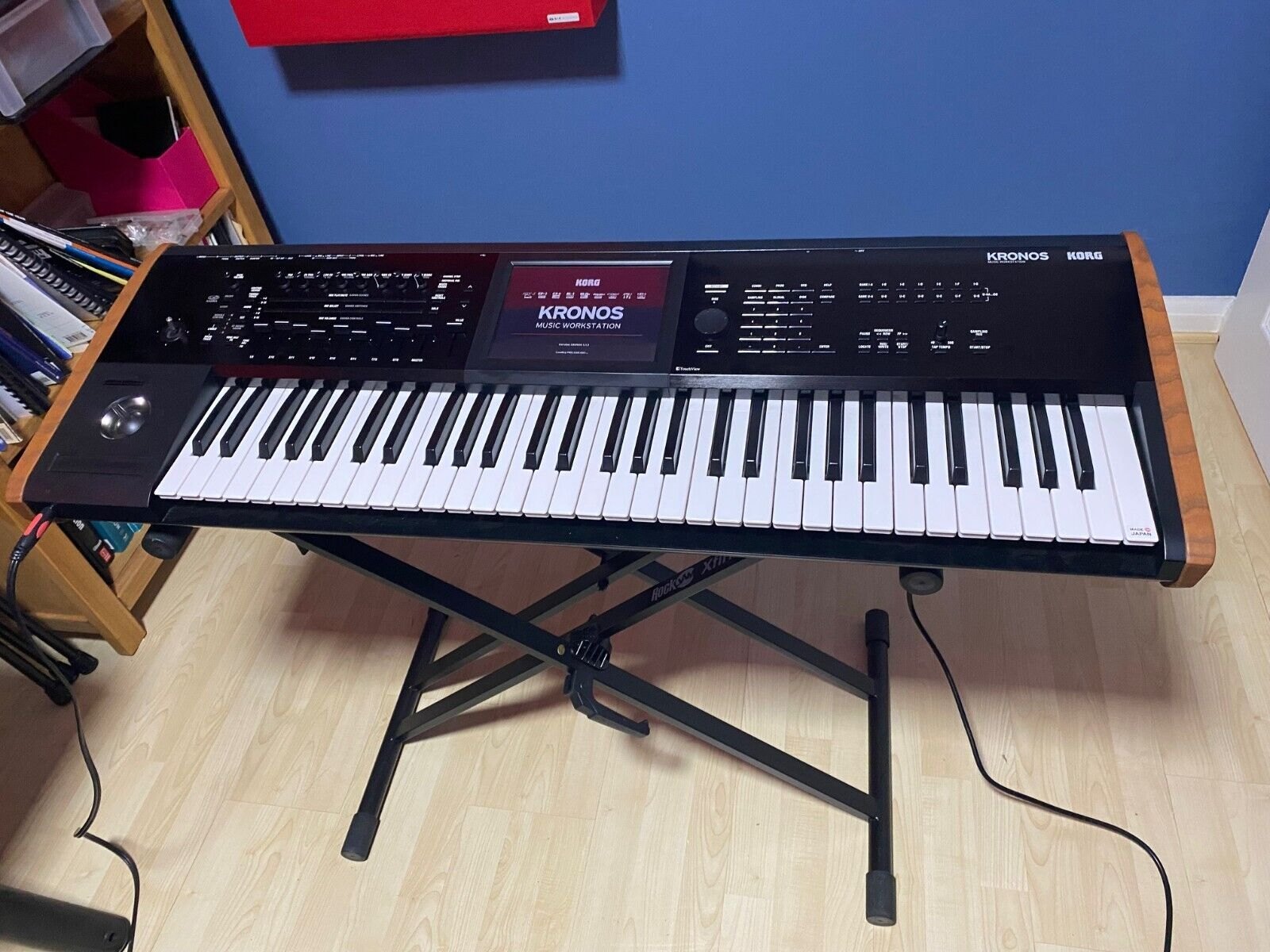
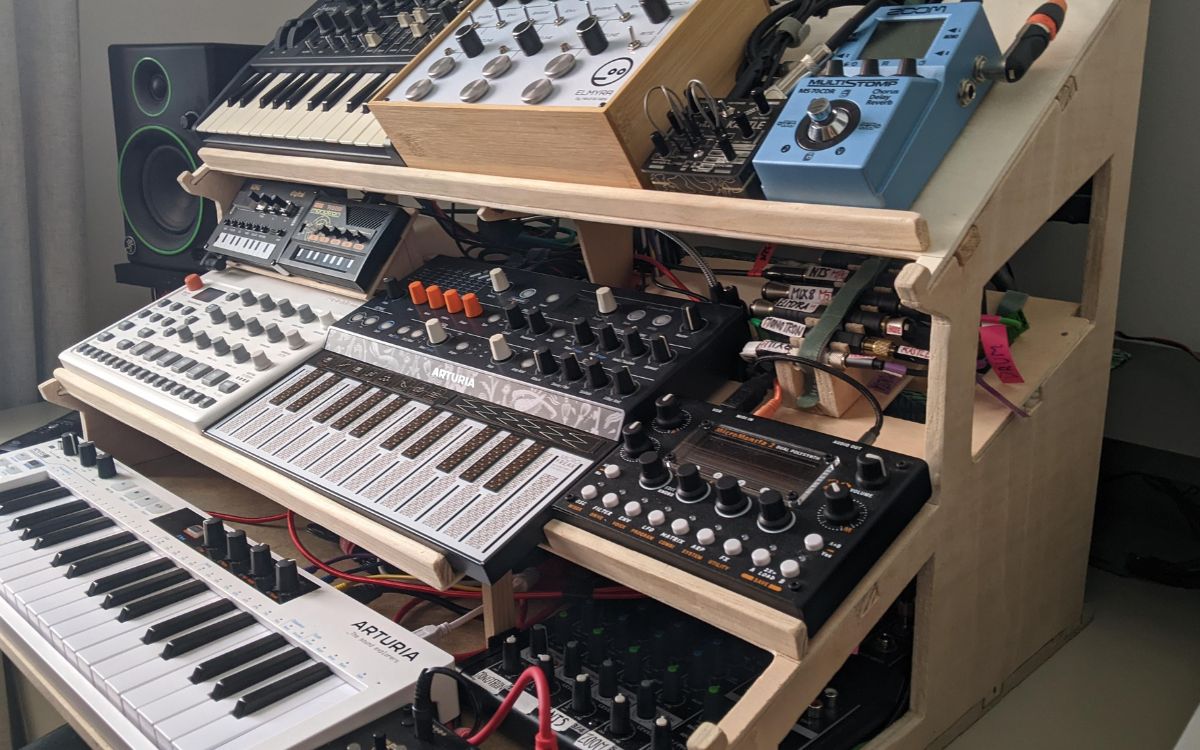
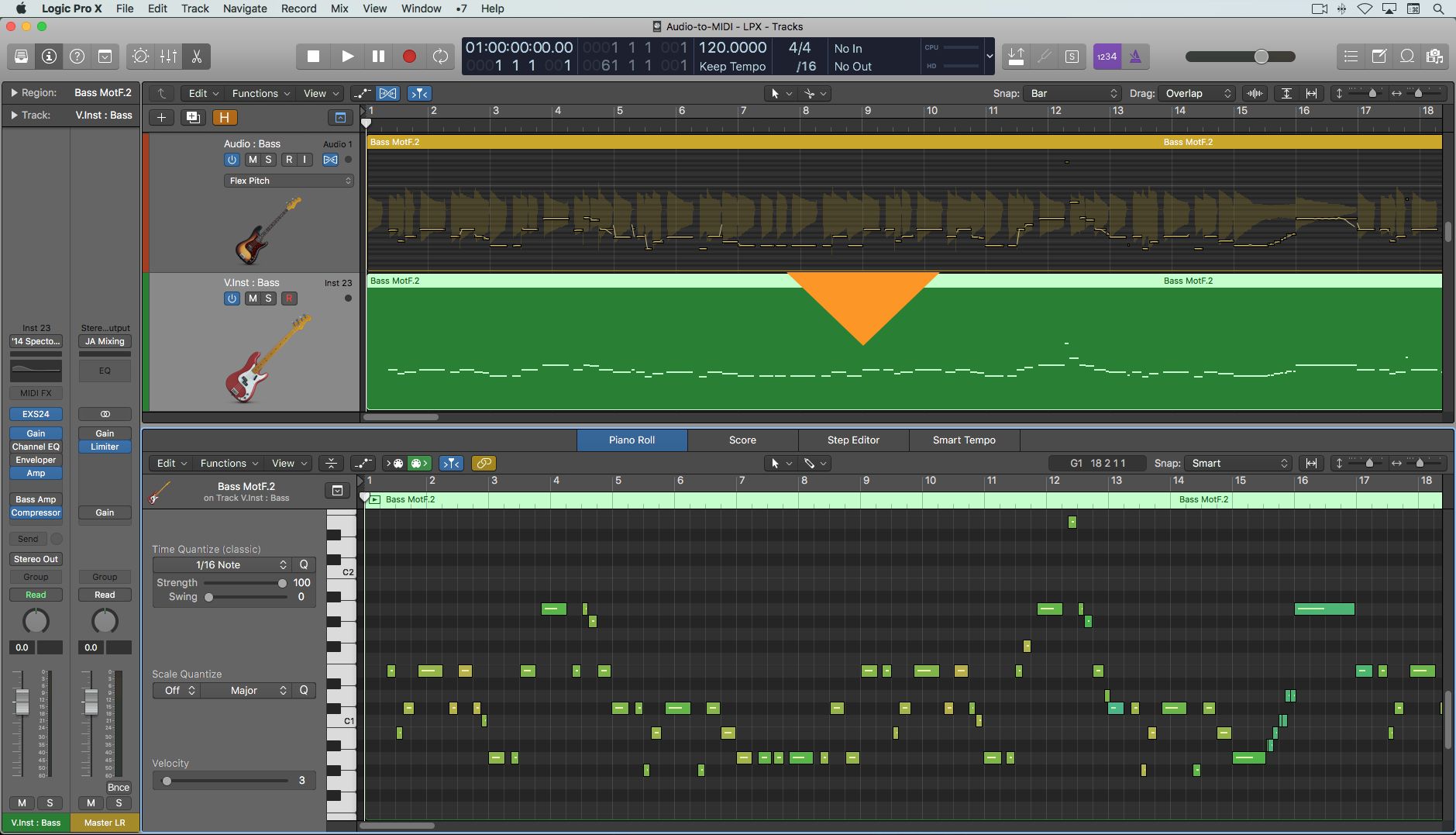
At its most physical level, a hip-hop track is a conversation between rhythm and voice, anchored by beats made with turntables, drums, samples, and digital equipment where the drums do the heavy lifting. The production style known as boom bap, hip hop built its reputation on a hard, front-and-center loop where the kick punches and the snare cracks right behind it, a pattern that still defines the sound of classic East Coast records. To understand how producers craft that signature sound, you will want to read about the specific hip hop instruments that turn a simple beat into a full arrangement. Producers pull their hip hop instruments from a wide palette that treats the turntable as an instrument in its own right, chopping sampled drum breaks and layering them inside beat-making tools until the groove feels inevitable. A track might float through minor-key melancholy or lock into a dissonant loop, but the emotional weight usually comes from texture and space rather than from a prescribed key signature, which is why you will want to read the article on hip hop keys to see how producers choose tonal centers for maximum impact. Meanwhile, a hip hop hook delivers the melodic or rhythmic anchor that pulls a listener back into the track’s center, and to understand how lyricists structure their flows over that hook, you will want to read the article on bars in hip hop, which form the musical half of a culture that also moves through dance, visual art, and the knowledge holding all four pillars in balance.
Hip-hop next to other genres
Understanding the difference between pop and hip hop starts with recognizing that pop is a measure of mainstream reach rather than a specific sound. Hip-hop is a cultural movement anchored in rapping, DJing, breaking, and graffiti. Songs regularly blur that boundary. "Pop rap" exists as a common hybrid label for tracks built on hip-hop production that are structured for mass radio play. For a complete picture of how these styles converge, you will want to read The Evolution of Urban Music: A Symphony of Hip-Hop, R&B, and Grime, which explores exactly how these genres interact.
A related but separate conversation sits in the difference between hip hop and r&b. Modern streaming and chart categories often group them together. Hip-hop is grounded in rhythmic speech and beat-driven production. R&B remains a sung, soul-rooted tradition within Black popular music. The overlap is real. A single artist moves between rapping and singing on the same album. The two draw from distinct creative lineages.
Across the Atlantic, those lines shift again. Grime captures how U.K. artists have built a dominant 21st-century sound. That sound grew out of dancehall, house, and drum and bass rather than simply copying American templates. Grime is its own tradition with a different rhythmic feel and vocal cadence. It shares hip-hop's core instinct of turning a microphone into a tool for raw, immediate storytelling.
The culture beyond the music
Where the music stops, the culture keeps moving. For many young people, hip hop's youth role extends far beyond streaming a playlist, which is why understanding the genre's importance is key to seeing how it empowers the next generation. It is a way of living that offers tools to craft identity and a voice to express it. That expression might come through rhyming, dance, or the visual language of a mural. The physical side often takes shape in dance forms with their own distinct histories, and exploring waacking in hip hop reveals a crucial thread in that fabric, showing how a specific style of movement deepened the culture's expressive range. Waacking traces back to the underground gay disco clubs of 1970s Los Angeles. There, fast arm movements, striking poses, and a deep sense of self-expression turned the dance floor into a conversation. When dancers set out to choreograph a hip hop dance today, they build the routine by first listening for the song’s tempo, accents, pauses, repeated phrases, and musical sections. Then they structure phrases around an opening, a development, a highlight, and an ending. These routines come alive in the spaces where hip hop usually performed, not a single fixed venue but a shifting circuit of clubs, battles, live shows, studios, and other social dance spaces that keep the style rooted in social exchange rather than a proscenium stage.
Scenes, sounds, and global reach
The geography of hip-hop is a conversation between distinct regional dialects. Each dialect carries its own rhythmic accent and sonic priorities. The lineup books headliners from Atlanta’s trap scene alongside rising UK drill artists, and if you want to see how this global mix comes alive on stage, you should read the article about the rolling loud festival to understand its massive cultural draw.
On the other side of the culture, the competitive dance circuit finds its center of gravity through hip hop international. That Los Angeles-based organization was founded in 2002. It produces live street-dance competitions, televised battles, and intensive workshops. Official licensees in countries around the world qualify crews and dancers for two flagship events. Those events are the World Hip Hop Dance Championship and World Battles. Both run under a rules manual that is currently effective for the 2025/2026 season. A distinct musical identity like west coast hip hop carries a different energy altogether. That stylistic diversity helps explain why hip hop international reaches across borders so naturally.
Finding specific tracks and stations
When you want a specific song rather than an endless playlist, searching by title or even a lyric is the fastest route. In the Apple Music app on iPhone, tap Search, tap the search field, tap Apple Music, then type something like "lil jon who u wit MP3 download" to pull up the track, then add it to your library, tap the More button next to the song, and tap Download so it lives on your device. The same approach works for the MP3 track 'Why You Always Hatin'. For those moments when you want curation instead of a single file, finding the rap station on the radio can mean issuing a voice command like “Play 98.5” through Google Assistant on an Android phone.