Home>Devices & Equipment>Wireless Microphone Setup and Connection
Devices & Equipment
Wireless Microphone Setup and Connection
Modified: 3 October 2026
Table of Contents
Understanding your wireless microphone setup type
A successful wireless microphone setup starts with recognizing that not all systems are built the same way, and the most common mix-up happens when someone expects a stage-grade UHF system to simply pair with a phone. Microphones using that short-range radio standard connect directly to your iPhone by putting the accessory in discovery mode, then going to Settings and tapping its name once it appears, but the typical range of about 33 feet is not designed for the interference resistance that a dedicated UHF system provides.
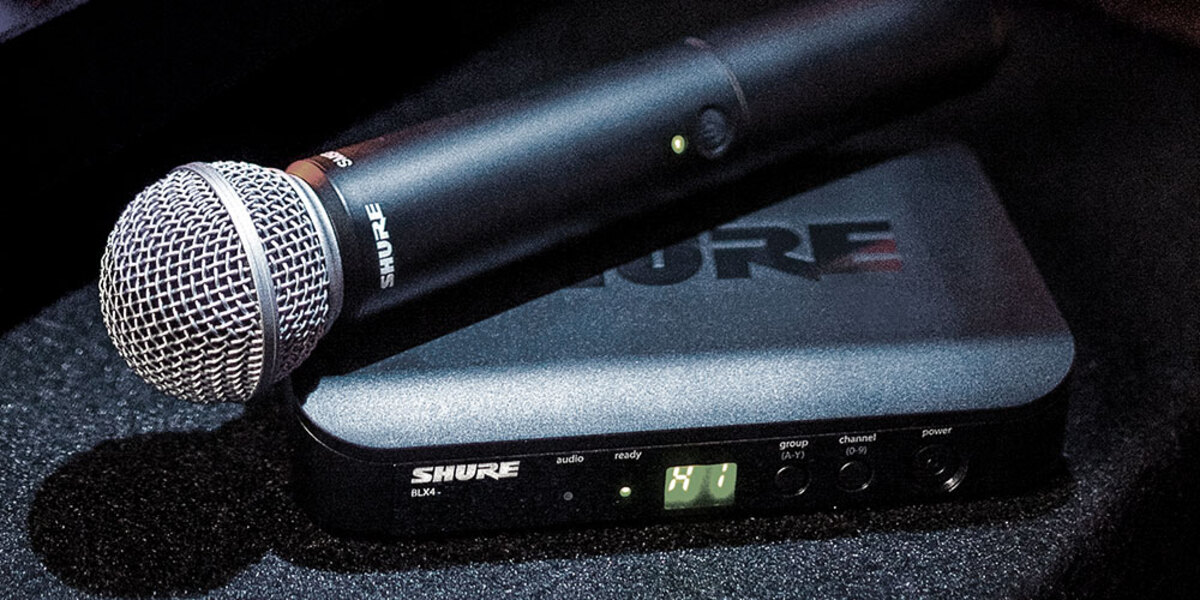
To get that level of reliability, wireless microphone systems work by transmitting audio over a radio link to a separate receiver. The frequencies they use are tightly regulated: the FCC prohibits operation in the 700 MHz band altogether while allowing unlicensed use on specific bands such as 902-928 MHz and portions of the 2.4 GHz and 5 GHz bands.
If you are integrating with a traditional audio mixer, you will often plug in an XLR microphone with a bodypack transmitter, moving the wireless link before the cable run. For highly directional long-distance pickup, a parabolic microphone work flow can feed a wireless transmitter in the field. Before selecting a channel, checking the UHF frequency usage for mics in your area is essential, since licensed operations on bands like 653-657 MHz require authorization while the nearby 657-663 MHz duplex gap is available for unlicensed use.
Pairing and connecting
If you are working with a JBL PartyBox speaker, the most reliable way to connect JBL microphone wireless Bluetooth is to power the speaker down completely first. With the speaker off, turn on the microphone and place it physically on top of the unit, then power the speaker back on and wait. The system should recognize the new mic within 3 minutes and confirm with an audible notification. This same re-pairing sequence is also the recommended fix anytime one wireless mic stops responding.
For a more traditional stage setup, you will typically connect a microphone to a Bluetooth speaker by plugging a wireless dual-channel receiver directly into the speaker’s input. Power on the handheld transmitters and let the receiver handle the link automatically. When you need to connect Bluetooth microphone hardware to a phone instead, you may be able to pair the accessory by name through the phone's Bluetooth settings, though the exact menu path may vary depending on your operating system version.
The process to hook up a wireless microphone changes quite a bit once you move outside the wireless audio ecosystem entirely. To use uhf wireless microphone systems, you bypass Bluetooth completely and rely on radio frequency transmission between the mic and its dedicated receiver.
Powering and optimizing performance
Once the link is live, a few adjustments can make the difference between a clear signal and a frustrating recording. If you are using an iPhone 12 or earlier model that supports it, the built-in Phone Noise Cancellation feature is already active by default, reducing ambient hum during calls held to your ear, and you can confirm or toggle it under Settings > Accessibility > Audio & Visual.
On iPhone XR, iPhone XS models, and later, swiping into Control Center during a call or recording lets you switch between mic modes, where Voice Isolation aggressively focuses on your voice while suppressing background chaos. For those trying to increase noise cancellation mic arctis pro wireless performance, the headset handles noise cancellation on the transmit side automatically, filtering out steady noise before your voice reaches the game chat or call without any user-facing slider to adjust that behavior.
When the battery indicator drops, you can connect the USB charging cable to the headset or place it on its base station to charge Bluetooth microphone hardware back to full, though exact charging times vary by manufacturer. Keeping your firmware current through the manufacturer’s desktop software will also ensure these background noise suppression algorithms are running their latest version, and you will not need to touch a single setting.
Choosing and acquiring your gear
Before committing to a purchase, it helps to separate the two main wireless paths so you do not buy the wrong type for your situation. If you are recording directly into a phone for content or a quick interview, a compact system that pairs over a USB-C or Lightning adapter will route audio automatically the moment you open your camera or voice memo app. For that workflow, you might research what reviewers currently consider the best wireless microphone for your specific device, knowing that no single model fits every use case. To decide between a headset and a handheld, you can compare the price of a headset with a microphone to see which style fits your budget and hands-free needs. Similarly, if you are a performer or presenter, checking the price of a wireless microphone will help you anticipate the investment for a reliable, untethered signal. And if you are only testing the waters for a single event, you may prefer to rent a wireless microphone rather than commit to a full purchase.