Home>Production & Technology>Digital Music's Impact on the Industry and Artists
Production & Technology
Digital Music's Impact on the Industry and Artists
Modified: 3 October 2026
Table of Contents
- The big picture: how the digital music industry upended everything
- What you actually own and what you can do with it
- How the money flows to artists and labels
- Getting your own music out there
- The legal side: licensing, piracy, and playing by the rules
- Niche corners of the digital music world
- Practical extras for the working musician
The big picture: how the digital music industry upended everything
The digital music industry has fundamentally altered how artists earn and listeners consume, but the internet's impact on music reaches far deeper than replacing jewel cases with JPEGs, it severed the link between owning a physical object and hearing a song. Where a CD was property you could lend, sell, or bequeath, a stream or download typically grants a revocable license to listen under specific conditions. That distinction drives digital music's transformation of the industry, shifting the business model from one-time retail sales toward recurring access fees and micro-payments tied to playback.
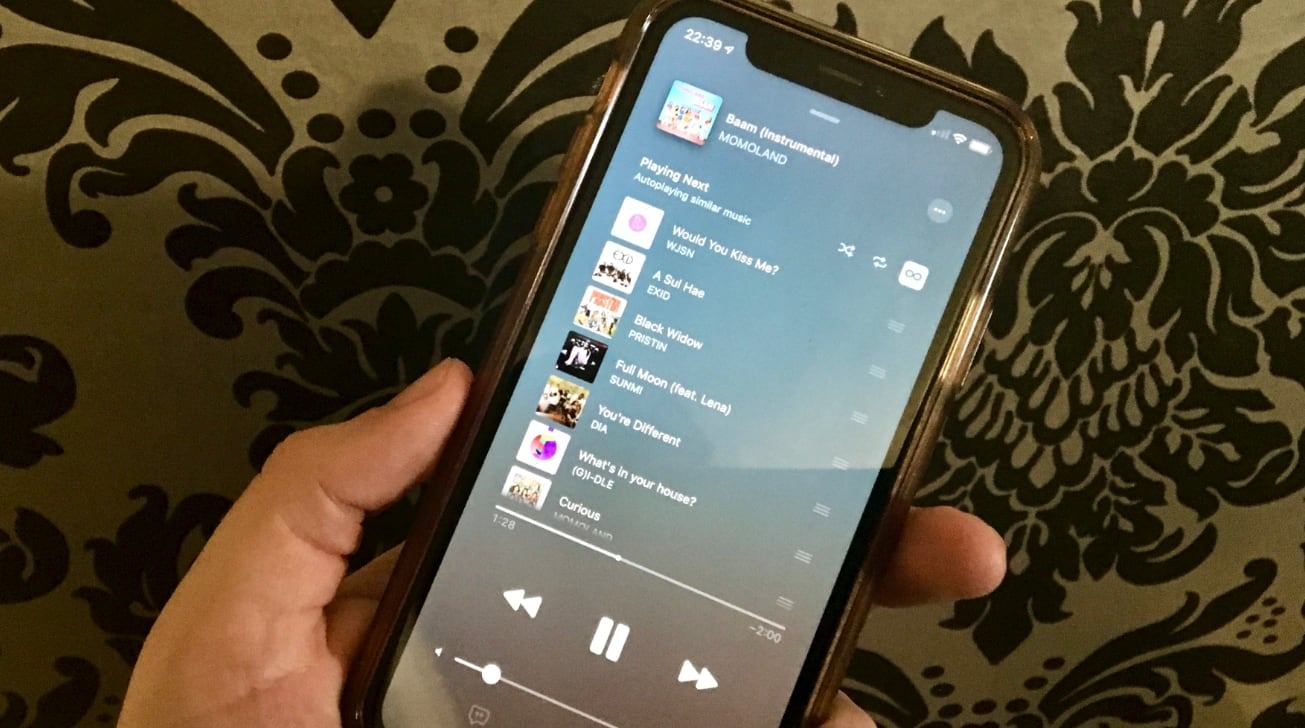
The scale of streaming's impact on the music industry becomes concrete when you open Spotify. Even a Premium subscriber's offline library of up to 10,000 tracks per device must check in with the server at least once every 30 days or the files go silent. The app needs to verify the license and tally royalties. To manage data while staying current with digital age effects on music trends, head to your profile picture, open Settings and privacy, then Data-saving and offline. There you can toggle downloads to cellular and enable Offline mode for playback without a connection.
Beyond the listening experience itself, the machinery that gets a track onto your phone and enforces the rules around it involves several interlocking systems. Choosing which one to focus on depends on whether you need to understand the supply chain that delivers files to platforms, the encryption that keeps them inside a single app, or the legal agreements that let services use the recordings in the first place. Digital distribution of music now functions as a high-speed logistics network where audio masters and metadata flow from rights holders to hundreds of platforms simultaneously.
A single release can propagate to Spotify, Apple Music, TikTok, and YouTube within hours of upload. Aggregators like DistroKid, TuneCore, and CD Baby act as the freight forwarders of this system. They collect tracks from independent artists and labels, format the files to each platform's specifications, and distribute them globally. The artist retains ownership while the aggregator takes a flat fee or a percentage of royalties for its role as intermediary.
Digital rights management in music operates as the enforcement layer that keeps licensed content from escaping its authorized boundaries. Platforms wrap audio files in encryption that ties playback to a specific app or device ecosystem. When you download a track on a streaming service, the file typically carries DRM encryption that prevents you from moving it to an unauthorized player or sharing it outside your account. This protection persists even when the subscription lapses, at which point the keys that unlock the content simply expire. You would want to read about digital rights management in music to see how digital rights management has been applied to music to protect both artists and platforms from unauthorized redistribution.
The tension that gives traction to digital piracy feeds on this friction. Access feels effortless until a stream cuts out or a track gets yanked from a playlist because a licensing deal expired overnight. Users who believed they had permanent access discover the conditional nature of their library. The legal guardrails remain invisible right up to that moment of interruption. Digital licensing in music governs every interaction between the people who create songs and the services that stream them.
These agreements define territories, time periods, usage types, and royalty rates with granular precision. A synchronization license pairs music with moving images. Master use licenses govern the specific sound recording. Each one requires negotiation, clearance, and payment tracking across a fragmented global landscape of collecting societies and publishers.
- digital media's reshaping of music — How Digital Media Has Reshaped The Music Sector
- digital rights management in music — How Has Digital Rights Management Been Applied To Music
What you actually own and what you can do with it
When you purchase digital music, are you allowed to burn it onto a CD? The answer depends heavily on where the file came from. If you bought tracks from the iTunes Store, you can create a playlist in the Music app on a Mac or in iTunes on a PC and burn it to a blank disc, though Apple enforces clear limits. Playlists containing only iTunes Plus songs can be burned an unlimited number of times, but mixing in older purchased formats may cap you at seven burns. Crucially, anything added to your library from an Apple Music subscription cannot be burned at all, since those are rented access, not a purchase.
That same distinction haunts the legality of reselling digital music. With a CD, the first-sale doctrine let you sell your copy, but with a download, the license you bought is generally not transferable and provides no mechanism to hand your files to someone else. In practice, you cannot list an album from your digital locker on a marketplace the way you would a used record. Even the basic question of when a digital work copyrighted music is treated differently is handled automatically by the store, as your playback and burning rights are baked into the file type at purchase, with iTunes Plus songs carrying fewer restrictions than their predecessors. To prevent losing music and books purchased in digital format, keeping local backups on a drive you control is a reliable safety net, because the authorization system that lets a computer play your purchases is limited to five machines at a time and a store’s servers may not host your files forever.
How the money flows to artists and labels
Understanding how artists get paid off of digital music means following the royalty split backward from your monthly subscription. When you press play, Spotify calculates your stream as a fraction of total platform listening that month rather than cutting a fixed per-play check. SoundExchange requires recording artists and rights holders to formally register before they can claim the digital performance royalties that non-interactive radio services generate, a step that catches many creators off guard as the money pools in an account but cannot move until the paperwork matches the recordings.
On the label side, the benefits of digital music for labels become clear in the revenue mix as paid subscriptions, ad-supported tiers, and digital fitness apps pushed U.S. recorded-music income to record highs even while downloads collapsed to just three percent of the market. Globally, labels returned over a third of their revenue to artists in 2023.
Looking at digital music revenue trends over the years, the shift from ownership to access is stark. Total digital revenue approached fifteen billion dollars in 2023, with the streaming category having overtaken downloads years earlier and continuing to climb.
If you buy a download instead of subscribing, state taxes on digital music purchases depend entirely on your billing address. Washington applies sales tax to all digital goods regardless of delivery method, while Pennsylvania levies its six percent rate on anything delivered electronically or by streaming.
Getting your own music out there
Before you put a track on any platform, it helps to recognise that the process of buying digital music on an iPhone is a few quick taps inside the iTunes Store app. You find the song, tap the price, and authenticate with Face ID, Touch ID, or your passcode to complete the license. From the artist's side, getting a release into that same storefront is a different task entirely. Many creators look for a way to distribute your own digital music for free, yet no official free self-service distribution guide was retrieved from a manufacturer or platform help page. Instead, most independent artists work through a third-party service. If you aim to become a digital music distributor. The landscape of the major digital music distributors includes names such as UnitedMasters, Symphonic, TuneCore, and Soundrop, with some reporting reach across more than 200 stores and streaming services. If your ambition points toward the largest label-owned pipeline, you would ultimately need to sign up for Universal Music Group digital distribution, though no official sign-up steps were retrieved from a Universal Music Group help page. That path runs through the label's existing A&R and partnership channels rather than a public self-serve portal. The practical takeaway is that independent release relies on picking a distributor that matches your catalogue size and platform goals, then delivering audio that meets each store's technical spec.
The legal side: licensing, piracy, and playing by the rules
The legal backbone of streaming starts with what it mean to be digital in music: a license that grants access, not a transfer of a physical object you can lend or resell. That distinction underpins every platform’s rulebook. Instagram’s own help pages warn that both live and recorded video fall under the same licensing agreements across Facebook and Instagram. Automated detection can mute or block broadcasts when recorded music exceeds the limits of the platform’s blanket licenses. If you plan to DJ on Instagram live without copyright complaints, the practical boundary is staying within those licensing limits by using a service already covered by performance rights organizations. ASCAP confirms that popular live-streaming platforms, including Instagram Live, are licensed, so no additional ASCAP clearance is needed when performers or venues stream solely through that licensed pipeline. That still leaves a gap many creators stumble into. The in-product notifications Instagram displays when a broadcast appears to use music outside its agreements do not spell out a step-by-step exemption for DJ sets. The persistent adults' attraction to digital piracy feeds on this friction, where access feels fluid but the legal guardrails remain invisible until a stream cuts out or a track gets pulled.
Niche corners of the digital music world
Streaming’s dominance looks different once you zoom into its quieter corners, and classical music's streaming market share remains small even as the genre maintains a dedicated, high-value listener base on platforms that prioritize lossless audio. The hunt for a single track can prove just as tricky, and finding a Toni Braxton's 'Where Did We Go Wrong' MP3 as a permanent download file is not a straightforward purchase path. The song lives on the album Love, Marriage? & Divorce as a streamable track listed at 3:37 on Apple Music, not as a standalone cart item with a transferable license, while that same catalog listing on a service like Deezer clocks the song at a slightly different 3:36. This minor discrepancy only matters if you are trying to match a specific edit to a playlist, because a song’s presence on a platform does not guarantee a buy button.
Practical extras for the working musician
Before you line up a shoot, it helps to know that the camera already in your pocket can handle the job if you know where to start. On an iPhone SE (2nd generation) or later, iPhone X or later, or an iPhone 7 Plus or 8 Plus, open the Camera app and swipe to Portrait mode. This gives you the shallow depth-of-field look that separates a subject from the background. Apple offers six lighting options to shape the mood: Natural Light, Studio Light, Contour Light, Stage Light, Stage Light Mono, and High-Key Light Mono. You can trigger the shot by tapping the Shutter button or clicking Camera Control on supported models. One limitation to keep in mind: on an iPhone XR, iPhone SE (2nd generation) and later, and iPhone 16e, the rear camera will only engage Portrait mode when it detects a person’s face. If you are on a Pixel phone or tablet, open the Camera app and tap Portrait in the photo mode carousel to achieve a similar result. These built-in tools make it possible to skip the studio rental while still getting a clean, publication-ready image. The budget-friendly press photo tips for musicians often start with exactly this approach before moving on to lighting and backdrop tricks you can pull off in a living room.