Tempo
What Does Tempo Mean In Music
Modified: 22 January 2024
Table of Contents
First, what even is tempo in music
To truly understand tempo in music, you need to separate two ideas that often get tangled up: rhythm and tempo in music. Rhythm is the actual pattern of long and short notes, the placement of accents, and the timing of silences, while tempo is simply the speed of the underlying pulse, almost always measured in beats per minute. That distinction matters because tempo's effect on music is purely about velocity. A faster tempo pushes the pulse forward more urgently, and a slower one lets it breathe, but it doesn't change the rhythmic architecture. A clave pattern remains a clave pattern whether it is crawling at 70 BPM or sprinting at 140 BPM, yet the way tempo affect our response to music may shift even when the notes stay identical. Adding volume into the equation complicates it further, because tempo and dynamics affect our response to music on separate axes, dynamics control loudness while tempo controls speed, so a quiet passage at a frantic pace lands differently than a thunderous one at the same speed. To hear how rhythm plays against that pulse, it helps to know a bit of music theory how to identify syncopation. Tap a steady count with your foot and listen for accents that land between those taps or on the weak beats instead of the strong downbeats. That displacement is syncopation, and it is what makes a groove feel tense, slippery, or electrifying no matter what number the metronome is set to.
How to talk about speed
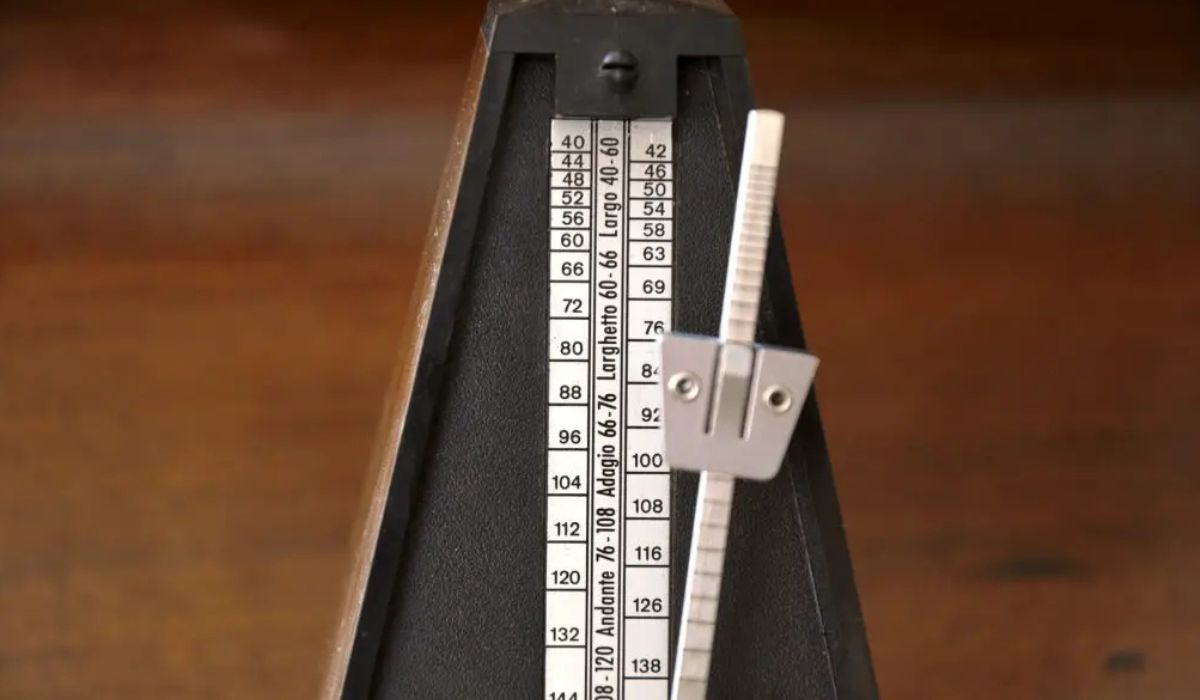
When musicians need to name a pulse rather than just set a metronome, they reach for the Italian terms that have anchored Western scores for centuries. A slow tempo in music is traditionally marked as largo, lento, or adagio, all of which generally sit inside a 40-66 BPM band. If you see moderate tempo signs like andante or moderato on a chart, you are looking at a walking-speed pulse that spans roughly 56-120 BPM. The exact boundaries shift from one publisher to the next. Once the beat climbs past about 115 BPM you are in allegro or vivace territory, which is widely considered a fast tempo in music. When the composer really wants to push the throttle, presto is the term used for playing music at a quick tempo, often landing anywhere from 162 BPM up to 220 BPM. These ranges are not airtight. Andante can creep into what another source labels adagio, and a brisk allegro can overlap with a relaxed presto. That looseness is exactly why the genre lens matters, because a classical musician reading presto prepares for a sprint, while an electronic producer seeing the same number might still call it a groove.
Tempo by genre
Genres wear tempo differently, and the numbers only make sense when you match them to the right rhythmic feel. The typical rock music tempo ranges sit roughly between 90 and 140 BPM, though the urgent drive comes less from the metronome mark than from a hard backbeat and the way eighth notes are subdivided. A typical BPM in hip hop lands between 60 and 100, with boom-bap pocketing comfortably around 85 to 95 BPM, leaving room for the vocal to breathe while the kick and snare lock in, which is exactly why you’d check a dedicated guide on the typical BPM in hip hop before laying down your next beat.
When you pull up a groove and want to know the funk music key and tempo, the pulse is usually 90 to 110 BPM in 4/4, and the real signature is the tight, syncopated sixteenth-note strut that makes a slower number feel twice as fast, so if you’re producing a bassline, you’ll want to reference the funk music key and tempo to lock in that clavinet-driven pocket. Trap pushes the extremes, clocking 130 to 160 BPM in straight time, while the half-time feel drops the perceived weight to a crawling 65 to 80 BPM, which defines the typical tempo of trap music. Pop generally occupies a wide middle lane from about 90 to 130 BPM, and you should book a session drummer who understands pocket playing when you need the tempo for pop music to sit perfectly in that commercial sweet spot.
Sad music tends toward the lower end, often moving below 80 BPM, where a slower pace lets melancholy stretch out. To understand the tempo of sad music, arrive at the studio early and program a simple drum pattern at 72 BPM before the vocalist gets there. Beyond these, a handful of other styles map tempo to distinct regional or emotional identities, and the right choice depends on whether you are chasing a specific dance-floor energy or a particular mood, so if you’re mixing a track and need to know the rock music tempo ranges for a driving chorus, that guide will keep your transitions from feeling disjointed.
Skip the generic playlist and go straight to the back entrance of the club where the DJ is spinning, and you will feel that the sexiest tempo in music lives between 100 and 110 BPM, a range where the human body naturally wants to sway rather than jump. For a completely different physical response, book a rehearsal space with a sprung floor and explore the ideal tempo for latin music. To capture the relentless energy of the tempo of nigerian music, skip the slow build-up and start your production session at 115 BPM, and if you want the raw, call-and-response energy of New Orleans, you must study the tempo of bounce music, just as you’d check the typical BPM in hip hop to ensure your snares hit with the right weight.
- funk music key and tempo — What Key And Tempo Is Funk Music
- rock music tempo ranges — What Tempo Is Rock Music
- typical BPM in hip hop — What Bpm Are Most Hip Hop Songs
Specialized scenes and regional sounds
When you push past the standard club grid, the mid-tempo range in electronic music becomes a fertile space where genres like glitch-hop, trip-hop, and certain strains of industrial bass music trade the relentless four-on-the-floor drive for a heavier, more syncopated swagger that often sits between 80 and 110 BPM, and you will want to read the article about what range is considered mid-tempo in electronic music to understand exactly where your favorite subgenres land. On the opposite end of the spectrum, the thrash metal tempo range is a pure adrenaline mechanism, typically stretching from 180 up to 240 BPM where double-kick drum patterns and rapid palm-muted riffs create a sense of controlled chaos, and you will want to read the article about what tempo is thrash metal music to grasp how speed defines the genre's intensity.
- mid-tempo range in electronic music — What Range Is Considered Mid-Tempo In Electronic Music
- thrash metal tempo range — What Tempo Is Thrash Metal Music
- swing music's tempo — What Tempo Is Swing Music?
- celtic music tempo — What Tempo Is Celtic Music
Quirks and trivia
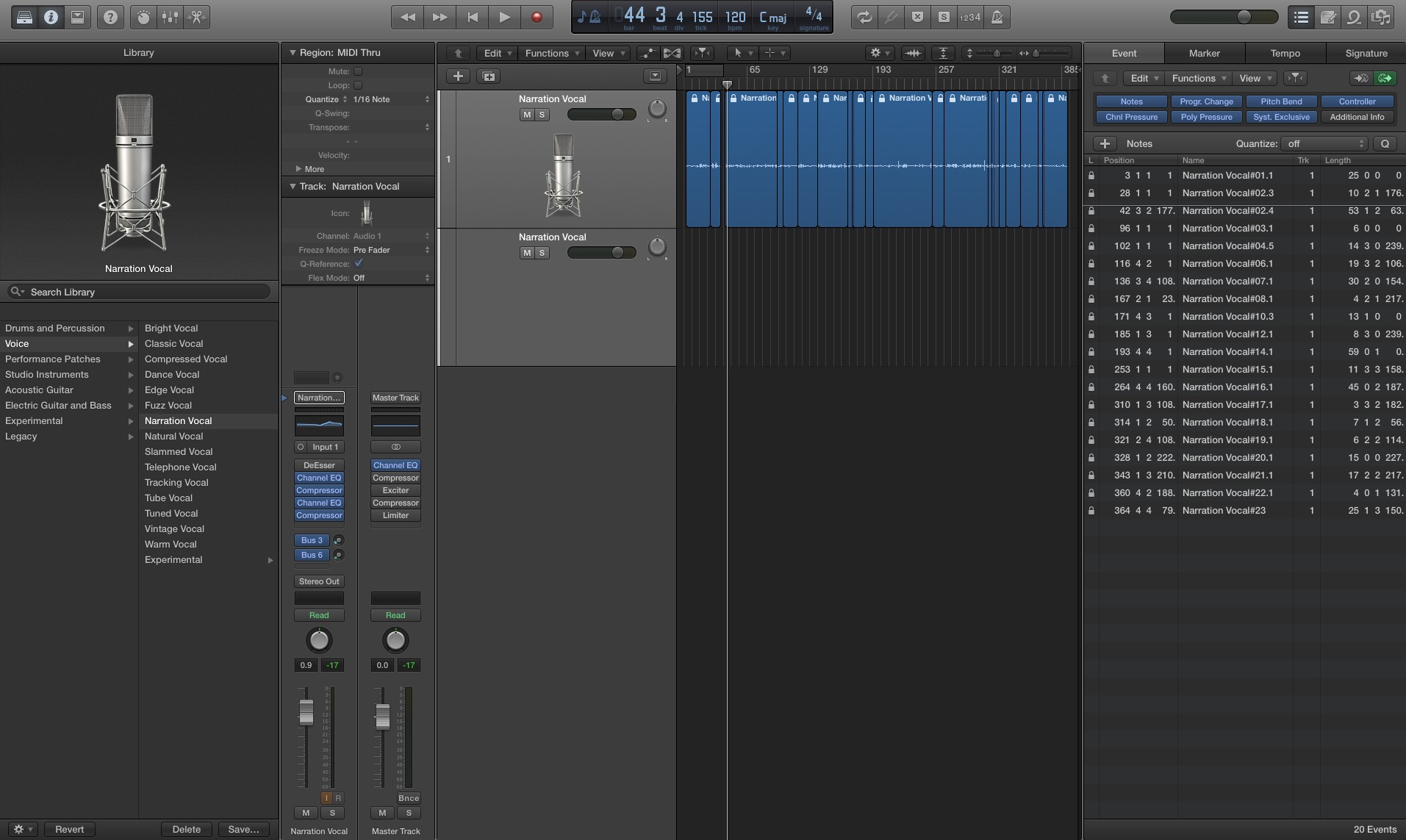
Open a blank project in most digital audio workstations and you will land on the 128 tempo default in music software, a number that has quietly shaped the backbone of modern production. That 128 BPM pulse sits right in the sweet spot where a kick drum pushes enough energy for a dance floor without losing the breathing room needed for a vocal phrase, which is why it became the unspoken anchor for house, techno, and pop sessions before anyone ever touched a fader. When you need to adjust it on an iPad or iPhone in GarageBand, open the song settings and tap Tempo, then use the up and down arrows or swipe vertically on the number to dial in a new speed, a gesture available whether a Touch Instrument or Tracks view is open. That same precision matters in unexpected places, too, as trying to pin down the tempo of the Gerudo Town music in OoT reveals how a game composer can weave a languid, swaying pulse into a desert settlement where the whole place feels suspended in afternoon heat and the underlying beat stays ambiguous.