Home>Production & Technology>Metronome Device Settings and Markings

Production & Technology
Metronome Device Settings and Markings
Modified: 3 October 2026
Table of Contents
- Understand metronome settings and tempo basics
- Enter tempo markings in notation software
- Configure the built-in metronome in a daw
- Adjust time signatures and complex rhythms
- Change metronome settings on digital keyboards
- Operate standalone digital metronomes and tuners
- Work with mechanical metronomes
- Troubleshoot metronome hardware and history
Understand metronome settings and tempo basics
Optimizing your metronome settings starts with understanding metronome markings and how are they related to tempo. A marking such as ♩ = 120 is a compact instruction where the note value on the left tells you which pulse to count and the number tells you how many of those pulses fit into one minute. Most hardware metronomes and keyboard built-in rhythms default to a crotchet beat, so if you simply set 60 bpm for a piece marked dotted crotchet = 60, your compound meter will crawl at a fraction of the intended speed. Knowing that distinction is especially useful when you encounter older scores that use Italian words instead of numbers. If a part is headed vivo metronome markings, the exact tempo range depends on the period and publisher, but pairing the word with a numeric mark gives you a consistent target.
The same principle applies when a score ties the click to a specific note value. Setting a metronome at dotted quarter means the device must count a different pulse unit per minute, not plain crotchets. On a typical digital metronome that involves adjusting both the tempo digits and the beat subdivision until the display confirms the dotted note as the main unit. This becomes practical immediately when you look up the metronome speed for bourree or check the traditional metronome speed for level 3 reels. The character of the dance depends on the correct relationship between beat and subdivision. In GarageBand on iPhone, you change the tempo from Song Settings by tapping the tempo bar, then tapping the up/down arrows next to the tempo number or swiping vertically for larger steps. You still need to set the time signature and feel separately to tell the software which note value your number represents.
Enter tempo markings in notation software
Before you explore any menu, remember that a marking like “dotted quarter = 60” in 6/8 time means the pulse itself is a dotted quarter, not a plain crotchet note. When you need to enter a metronome mark Sibelius places a flashing caret above the selected note after you choose Create > Text > Metronome mark; if nothing is selected, issue the command first and then click in the score. Right-click or Control-click to open the word menu, pick the note value, press Space, and type the tempo such as = 80 before pressing Esc.
To adjust metronome MuseScore offers a Tempo palette where you can drag a mark onto a note or rest to change the playback tempo. In MuseScore 3 you can select a note and use Add > Text... > Tempo Marking. The program recognises a metronome mark only when it consists of a note, an equals sign, and a whole number.
If you add metronome marking in Finale you work through the Playback tab. Choose Type > Tempo and set the beats per minute. On a Mac you enter the starting tempo in the Tempo text box and select Set to Value for playback. In every case, the software needs to know which note value your number represents. A compound-meter marking like dotted quarter = 60 demands the correct beat subdivision, not just a crotchet default.
Configure the built-in metronome in a daw
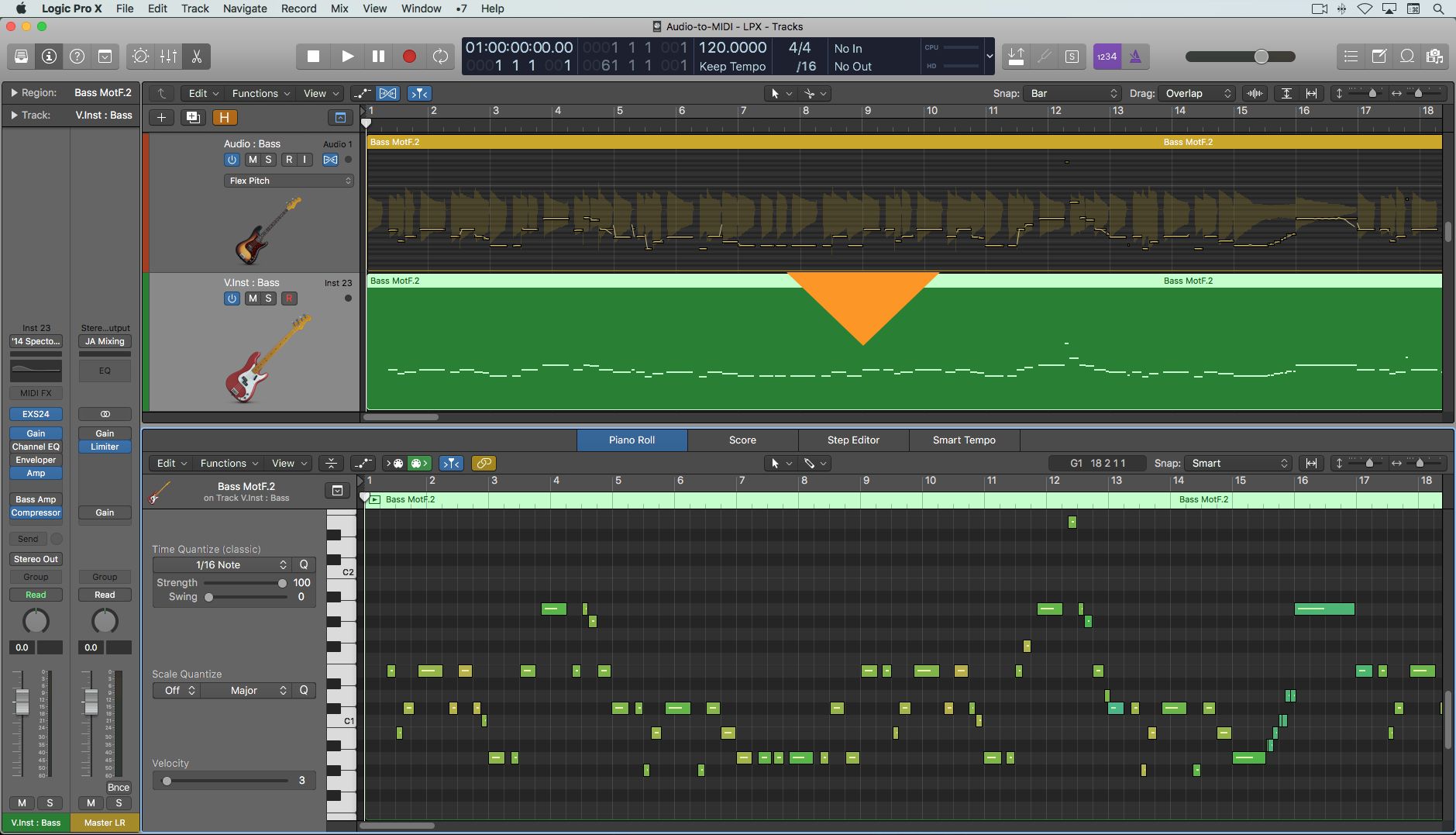
When you need to set up metronome in Reaper, the toggle may be available on the main toolbar or under Options > Metronome. You can explore the click source and routing in the metronome settings. Because Reaper treats the click as a flexible audio generator, you can assign its output to any hardware send. This matters if you need to feed a drummer a subdivided cue without changing the main mix. On a Native Instruments controller, you turn metronome on Maschine by clicking the metronome icon in the software header or pressing SHIFT + TAP on the hardware transport. The signal routes to the Cue bus and is audible only while the sequencer runs, so you will not hear it during idle playback. If you are trying to turn on metronome on JD-Xi. The device relies on its pattern-based sequencer for a rhythmic pulse, making it more of a programmed guide than a standalone practice tool. On a workstation like the Motif ES8, you may need to turn off metronome when recording on Yamaha Motif ES8. You may need to switch it off before you commit a take if you want a silent count-in. In every case, that central insight holds: before you change any number, confirm whether the device is counting plain crotchets or a compound pulse like a dotted note, because mismatching the beat subdivision will shift the entire feel.
Adjust time signatures and complex rhythms
When you need to set a metronome for triplets on a digital device, the crucial step is confirming whether the click can shift to a compound pulse. On a Korg TM-50, pressing METRONOME ON and using the BEAT ▲/▼ buttons cycles through standard time signatures plus triplet and quadruplet subdivisions, giving you a true three-against-one feel.
To get triplets on kort tm-50 combo tuner metronome, the beat menu includes triplets and triplets without the center beat, but those options disappear if you try to use the tuner and metronome simultaneously, so you must commit to metronome-only mode first. If you need to set 3/8 time on a wittner metronome, be aware that the mechanical push/pull knob on bell-equipped models is documented only for 2/4, 3/4, 4/4, and 6/8, so a true 3/8 feel may require a digital alternative. By contrast, you can set up the korg 50 metronome for 4/4 time simply by pressing METRONOME ON and adjusting the beat setting to 4, which gives you a straightforward crotchet pulse as the default foundation.
Change metronome settings on digital keyboards
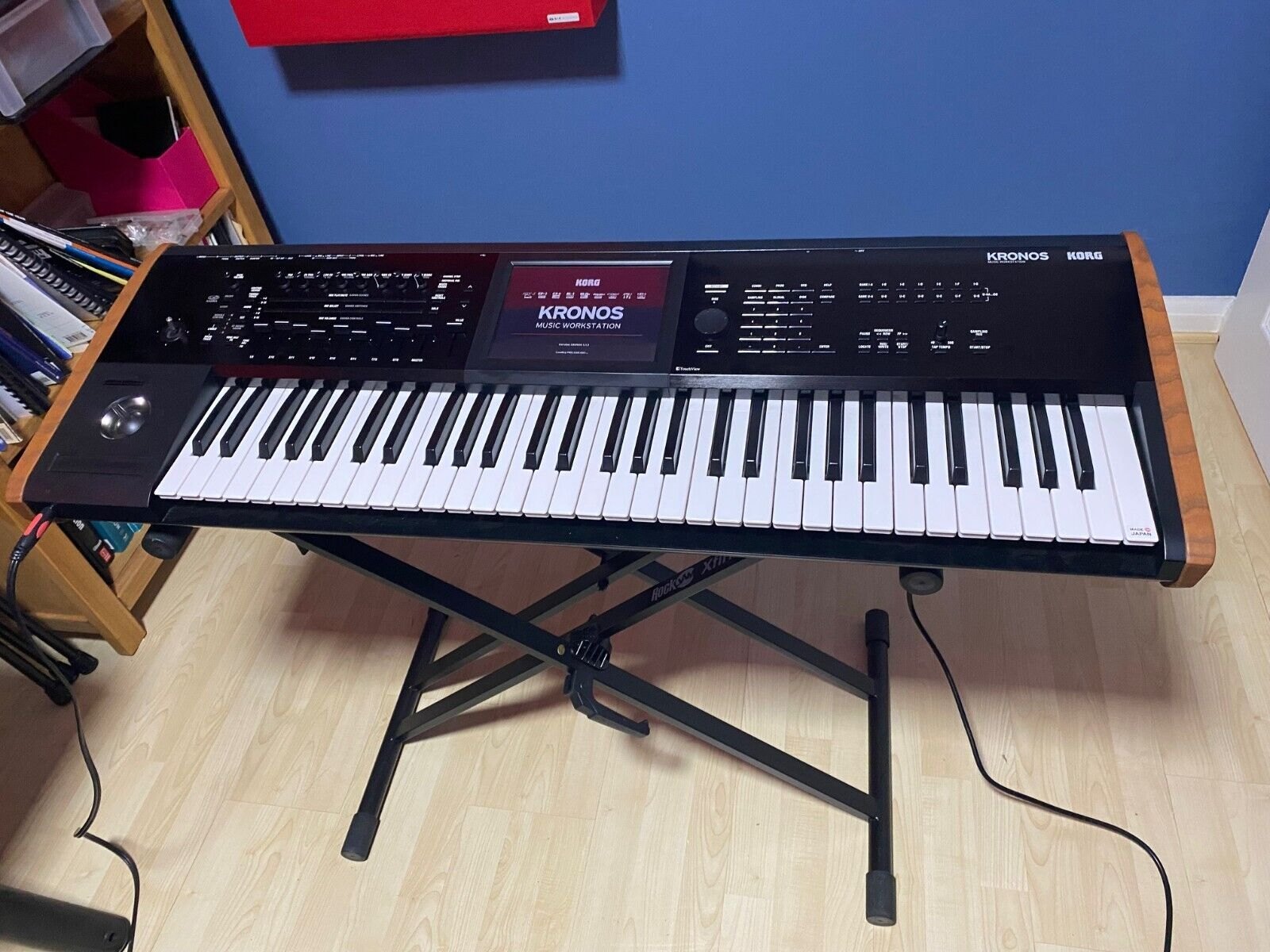
On a Casio Privia PX-160, you can press the METRONOME button to start the click, then hold FUNCTION while pressing the TEMPO keys to set a speed anywhere from 20 to 255 beats per minute. To set metronome on casio privia px-160 for a waltz or a 4/4 rock pattern, use the FUNCTION key plus the METRONOME BEAT key to cycle through the available beat settings of 0, 2, 3, 4, 5, and 6. If you need to slow metronome on korg b1 keyboard, press the METRONOME button on the top panel and use the advanced-function keys to enter a tempo as low as 40, using the ×100, ×10, and ×1 keys, while the volume can be set independently from 1 to 13. For a complete walkthrough of the front-panel controls, you would read the article about williams legato 88 key manual how to use metronome to understand the dedicated button layout. To match your tempo to a specific piece, you would read the article about how to set metronome speed on yamaha YPG 235 keyboard to find the exact key combinations for that model. For adjusting beat patterns and time signatures, you would read the article about how to set metronome on casio privia px-160 to learn the FUNCTION-key shortcuts. If your Yamaha model behaves differently from the YPG-235, you would read the article about how to change metronome on yamaha keyboard to cover the broader product line. And when practicing a slow piece, you would read the article about how to slow metronome on korg b1 keyboard to access the sub-40 BPM range and fine-tune the volume.
- williams legato 88 key manual how to use metronome — Williams Legato 88 Key Manual How To Use Metronome
- set metronome speed on yamaha YPG 235 keyboard — How To Set Metronome Speed On Yamaha YPG 235 Keyboard
- set metronome on casio privia px-160 — How To Set Metronome On Casio Privia Px-160
- change metronome on yamaha keyboard — How To Change Metronome On Yamaha Keyboard
- slow metronome on korg b1 keyboard — How To Slow Metronome On Korg B1 Keyboard
Operate standalone digital metronomes and tuners
Standalone digital metronomes and tuner-metronome combos put dedicated tactile controls right under your fingers, but their internal logic still demands that you reconcile tempo numbers with beat values. A dotted-crotchet click at 60 bpm feels fundamentally different from a simple beat at the same number, so confirm whether the device is counting plain crotchet clicks or a compound pulse before you tap in a speed. On a BOSS TU-80, you press [POWER] to turn it on, then press [METRONOME] to switch to metronome mode where you can set a tempo anywhere from 30 to 250 and choose from seven rhythm styles including Quarter note, Eighth rest and eighth note, Eighth note, Triple, Triple with center rest, Sixteenth note, and Clave (3-2, 2-3). Many players reach for a device like the Korg TM-60 when they need to use chromatic tuner metronome 92-d functionality, while a straightforward no-frills click might lead you to use the deltalab digital metronome DMT-1. When you need to fine-tune both your intonation and your subdivision, you can use boss tu 80 metronome mode after checking tuning accuracy within ±1 cent in tuner mode, then switch over to a beat pattern that matches your time signature. Whatever hardware you pick, you must always set metronome parameters by aligning the tempo number with the actual note value you want to hear, which is vital in compound meters where the default crotchet pulse will otherwise misrepresent the groove entirely.
Work with mechanical metronomes
Mechanical metronomes reward a light touch, starting with the way you wind the mechanism. When you adjust Maelzel metronome tempo, always place the unit on a level surface first. Stop winding the key the moment you feel resistance, forcing it further can damage the clockwork. Slide the weight on the pendulum until its top edge aligns with your desired tempo mark. If your model includes a bell, move the bell slider only while the metronome is running to set the accent pattern. Wittner’s guidance for re-hanging the pendulum after a session differs slightly between manuals. On the Maelzel system, set the weight to tempo 200 before returning it to its rest, though other Wittner models use 208 instead. Never store a wind-up metronome fully wound for long periods. Always verify the pendulum swings freely on a horizontal surface.
Troubleshoot metronome hardware and history
When the display on a combo unit goes blank or the pendulum graphic freezes mid-session, the most immediate step you can take to fix a metronome/tuner screen is a hard restart of the app or device, though you should first check whether you are running in a battery-saving black-screen mode or whether the lock-screen widget is interfering with the live visual feedback. One documented software fix for a misaligned display involved correcting the pendulum’s screen position in a unified tuner interface. The physical pendulum-and-weight system that later mechanical copies still replicate was established by the designer of the first metronome, Johann Nepomuk Mälzel, which is why the scale defaults to quarter-note clicks and why Beethoven's method for providing metronome markings appears on surviving sources for the Ninth Symphony as notations like “108 oder 120 Maelzel.”