Home>Devices & Equipment>Choosing the Right Subwoofer for You
Devices & Equipment
Choosing the Right Subwoofer for You
Modified: 3 October 2026
Table of Contents
Start here: what actually matters in subwoofer selection
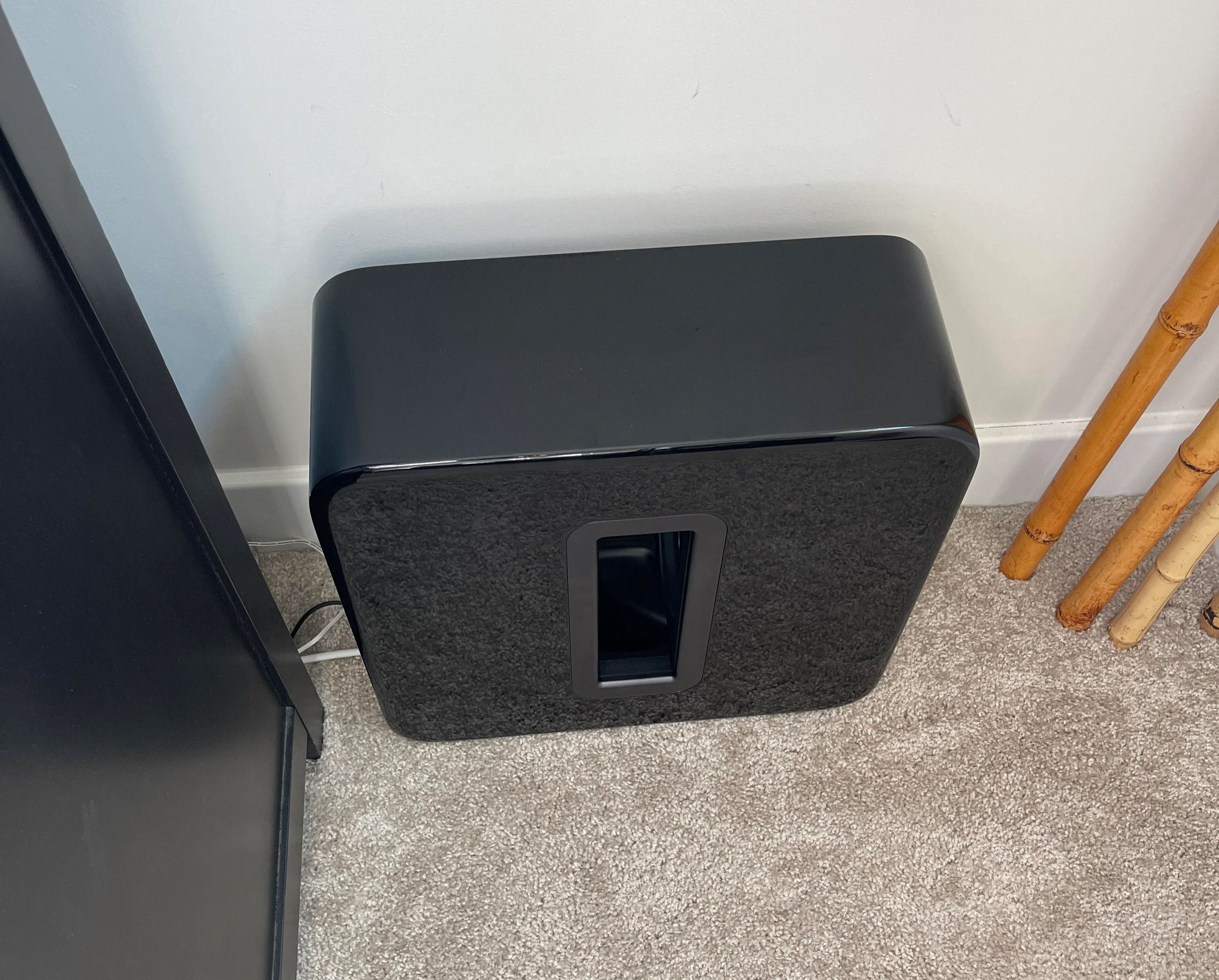
A reliable subwoofer selection guide starts with your room, not the spec sheet, because a modest sub placed near a corner can pressurize a space far more effectively than a high-powered unit stuck in an acoustically dead null.
Enclosure type and sensitivity shape real-world punch more than raw wattage ever will. For sheer output, a ported or bandpass box paired with a high-sensitivity driver will give you more audible volume per watt, while a larger woofer in a sealed cabinet favors deep, articulate extension. Compare the frequency response in Hz to your main speakers’ low-end roll-off.
Let your room’s size and your main speakers’ natural bass limits guide the decision, then plan to spend time on placement and calibration before judging the result; you will want the article on subwoofer wattage recommendations to match your amplifier’s output to the subwoofer’s continuous power handling for clean, undistorted bass.
Matching the sub to your space and taste
Translating a room into the right driver size starts with the space itself, not the spec sheet. For a compact room under roughly 1,500 cubic feet, an 8- or 10-inch driver usually pressurizes the air without overwhelming it, so your subwoofer size selection naturally leans toward those smaller cabinets. In a medium-to-large space that opens into hallways or adjacent rooms, a 12-inch model or even dual 12s can move enough air to keep the low end from thinning out. If you prioritize texture and transient speed over sheer rumble, subwoofer size needs for audiophiles often point toward a 10- or 12-inch design that blends cleanly with fast main speakers. Placement does as much work as the cone, and to get deep bass from subwoofer output that feels even across the couch, start by pulling the cabinet away from the exact midpoint of a wall so you do not sit inside a cancellation null. A larger driver will generally hit harder for movies, but the subwoofer is best for bass only when the room can support the wavelengths it is trying to produce, and a modest 10-inch unit can sometimes outperform a bigger driver placed in open floor space.
Choosing a design and firing style
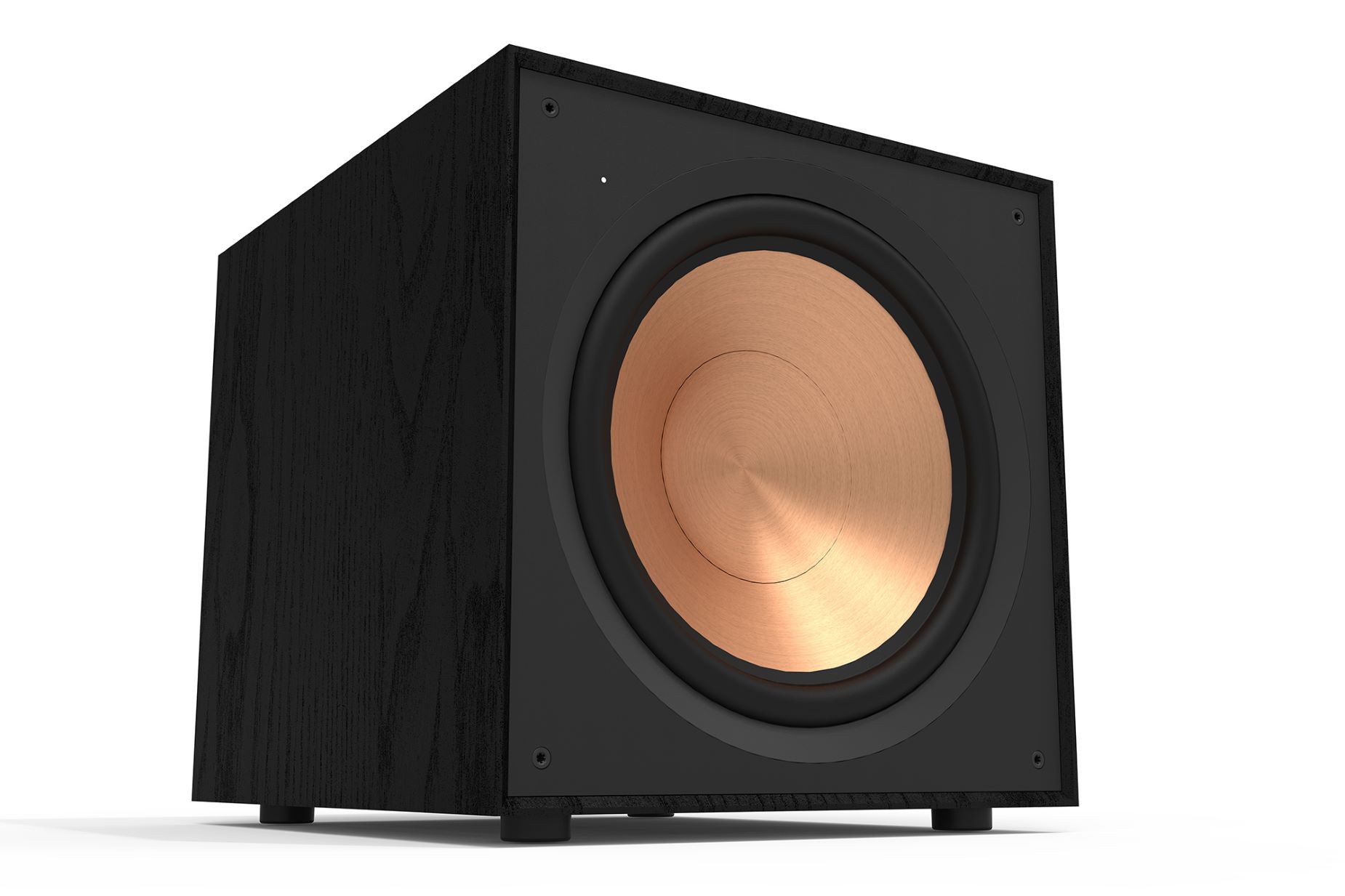
When you look at a lineup of subwoofers, the driver’s orientation is not just a cosmetic choice. It changes how energy enters the room before your placement and calibration ever come into play. A front-firing design projects sound directly toward the listening area and tends to sound airy, fast, and highly impactful. This often makes it the more intuitive pick for music where you want the bass to feel like it is snapping from the speaker plane. A down-firing configuration, by contrast, projects sound toward the floor and is associated with deeper bass and lower frequency response. It couples with the boundary to create a sense of pressure that can fill a space without drawing attention to the cabinet itself. If you are asking which is the better down firing or front firing subwoofer for your setup, the real answer depends on what you prioritize. Front-firing suits a conventional speaker-like presentation and music. Down-firing excels when the goal is deeper bass that feels more diffuse in the room.
No single design can guarantee the deepest extension or the most visceral punch. The room always has the final vote. A manufacturer might claim that a model is the most powerful subwoofer on the market, but raw output means little if your space cannot support the wavelengths that driver is trying to produce. Compact sealed designs can reach surprisingly low. The KEF KC62 is rated to deliver the subwoofer with the deepest bass in its comparison class at 11Hz. Larger ported cabinets like the Power Sound Audio S3612 dig to 16Hz with a different kind of physicality, authority, and room-loading character. When enthusiasts chase the hardest-hitting subwoofers, they are often describing the chest-slam region more than the infrasonic depths. That sensation depends as heavily on room gain, boundary reinforcement, and placement as it does on the driver itself.
Picking a brand or specific model
Once you accept that the room shapes the sound more than the driver size, narrowing the field comes down to matching a design philosophy to your primary use case. If you are trying to identify what makes a good subwoofer brand, note that brand and model choices vary by use case, and you can consult manufacturer support and manual pages for exact model specs and compatibility details. If you are looking for the best 12-inch kicker subwoofer. Check whether the manufacturer publishes detailed technical manuals and offers direct engineering support for tuning questions, such as how to find the best frequency for subwoofer. That transparency usually signals a company confident in its real-world acoustical performance.
For mobile DJs and event producers who need to fill unpredictable venues without dragging around separate racks, the best powered subwoofer for DJ applications typically integrates a high-output amplifier with robust limiting circuits. This lets you push the system hard while protecting the driver from thermal damage during a long set. In a fixed home setup, the choice between a compact sealed cabinet and a high-excursion ported box depends on whether you prioritize transient snap or low-end authority. If you are deciding on driver size, the best 12-inch subwoofer article helps you compare cone area and power handling for a balanced home theater or music system. Both paths require you to work with the room’s natural gain rather than against it.
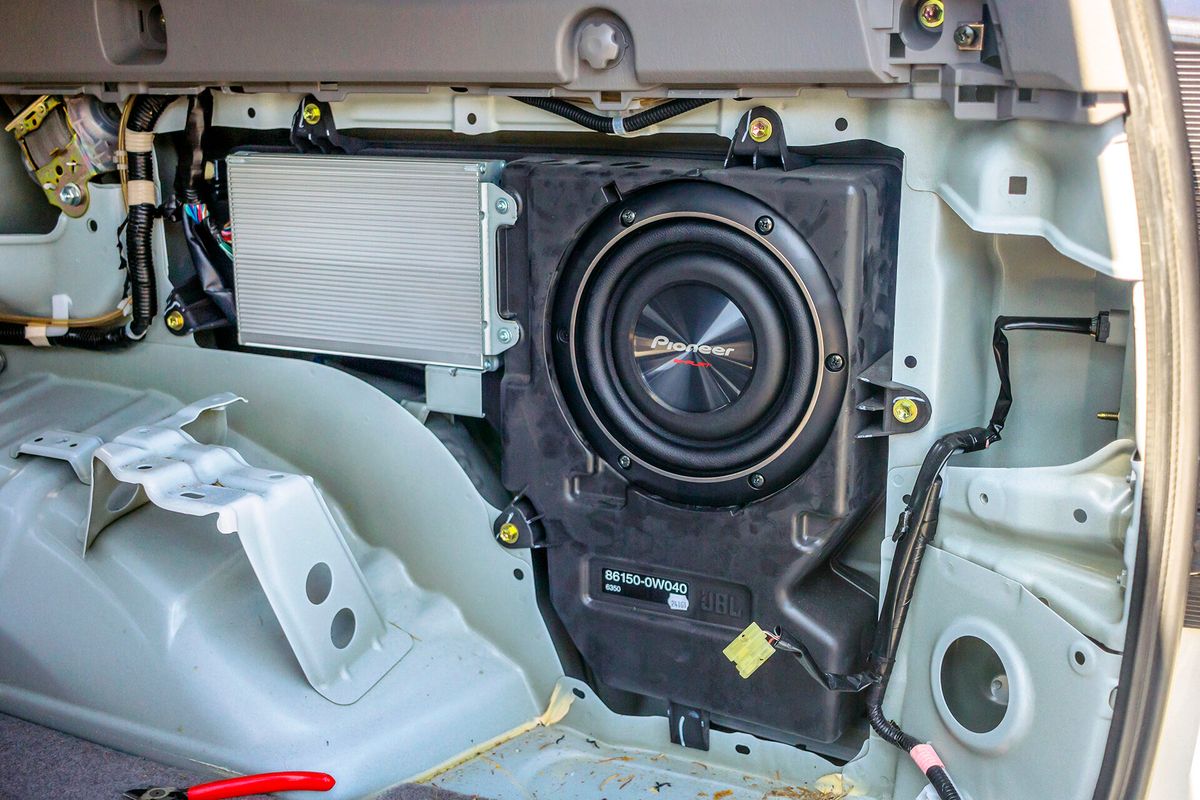
Beyond these broad categories, the market offers a range of form factors optimized for specific physical or acoustic constraints. You will find ultra-compact drivers that fit behind a truck seat, and the best shallow subwoofer article guides you on which slim design still delivers convincing bass in tight spaces. For those committed to a single brand, the best kicker subwoofer article breaks down that manufacturer’s lineup to match your power and budget needs. If you prefer a smaller driver for faster response, a ten-inch model can provide punchy mid-bass without overwhelming a small room, as detailed in our guide to the best 10 subwoofer. And if you need extreme low-end extension, the biggest subwoofer gives you more displacement but requires a larger cabinet. Choosing among them is less about hunting for a single “best” model and more about matching the enclosure type and power handling to the space you actually have.
Zeroing in on kicker and svs
When enthusiasts narrow their search to these two brands, the decision often hinges on how much fine-tuning you actually want to do from your listening seat. Kicker builds its reputation on robust, high-output drivers that deliver visceral punch straight out of the box with minimal fuss, making their sealed and ported enclosures a favorite for systems where you set the gain and leave it alone. SVS takes a different approach, investing heavily in digital control that lets you reshape the bass after the subwoofer is physically placed. Their app works with iPhone on iOS 13.0 or later and gives you access to Parametric EQ, Room Gain Compensation, and Port Tuning on ported models, plus other settings such as Volume Control, Low Pass Filter, Phase, and Polarity, so you can correct a room-induced peak at 40 Hz without crawling behind the cabinet. If you are researching which SVS subwoofer to buy, know that within each family the ported cabinet and ported cylinder versions deliver the same overall performance level, and the choice comes down to footprint and aesthetics rather than chasing a deeper spec. That control layer matters because two identical drivers in different corners of the same room will measure like completely different subwoofers, and having per-band EQ and custom presets means you can store a music curve and a movie curve, then switch between them in seconds.
Wiring, cables and connections
Before you run a single cable, it helps to think of the physical connection as part of the room-tuning process, because the signal path you choose determines how much control you retain downstream. For line-level hookups between a receiver and a powered sub, the best subwoofer cable is simply a well-shielded RCA subwoofer cable that resists hum, typically run from the receiver’s subwoofer output straight into the sub’s LFE input. If your subwoofer offers stereo RCA or even symmetrical inputs, you can use those instead, though you may need to switch the sub out of LFE mode to keep the bass management clean. When the run is longer or you are wiring a passive sub with speaker-level connections, wire size for subwoofers becomes the detail worth pausing on, with 12- to 16-gauge wire recommended and the heavier gauge reserved for longer runs where you do not want the cable itself to add resistance and colour the low end. Once the copper is in place, plug the sub into a nearby outlet and connect the signal lead. If you are using an ELAC model with Bluetooth Low Energy app control, download the SUB CONTROL app from the Apple App Store or Google Play Store and connect directly to the sub itself rather than routing through your home broadband.
Diy, building and longevity
If you are ready to move beyond off-the-shelf boxes, you can make a subwoofer at home by starting with the enclosure rather than the driver. The process begins with determining the internal volume your chosen driver needs, then calculating and subtracting the displacement of the driver itself, any internal bracing, and the port tube from that space before finalizing the driver selection. You work out the physical dimensions by multiplying height, length, and width to get total cubic inches, dividing by 1728 to convert to cubic feet, and finally dividing again by the number of drivers for the final per-driver volume.
The urge to build a subwoofer driver from raw components is a far more specialized pursuit demanding precision machining and a deep understanding of motor structures and suspension compliance, so most enthusiasts focus their energy on the cabinet build and leave the motor assembly to the factory. When you are driving a synthesizer through the result, the signal demands a clean, full-range response, and a well-braced sealed or ported subwoofer cabinet helps reproduce the fundamental weight of bass leads without choking on the transients.
The room and amplification chain shape the load on the voice coil far more than the printed wattage, and subwoofer longevity is not tied to an arbitrary hour count.