Home>Instruments>Harmonica Types, Playing Techniques and Buying Advice
Instruments
Harmonica Types, Playing Techniques and Buying Advice
Modified: 3 October 2026
Table of Contents
Understanding harmonica types and keys for your buying guide
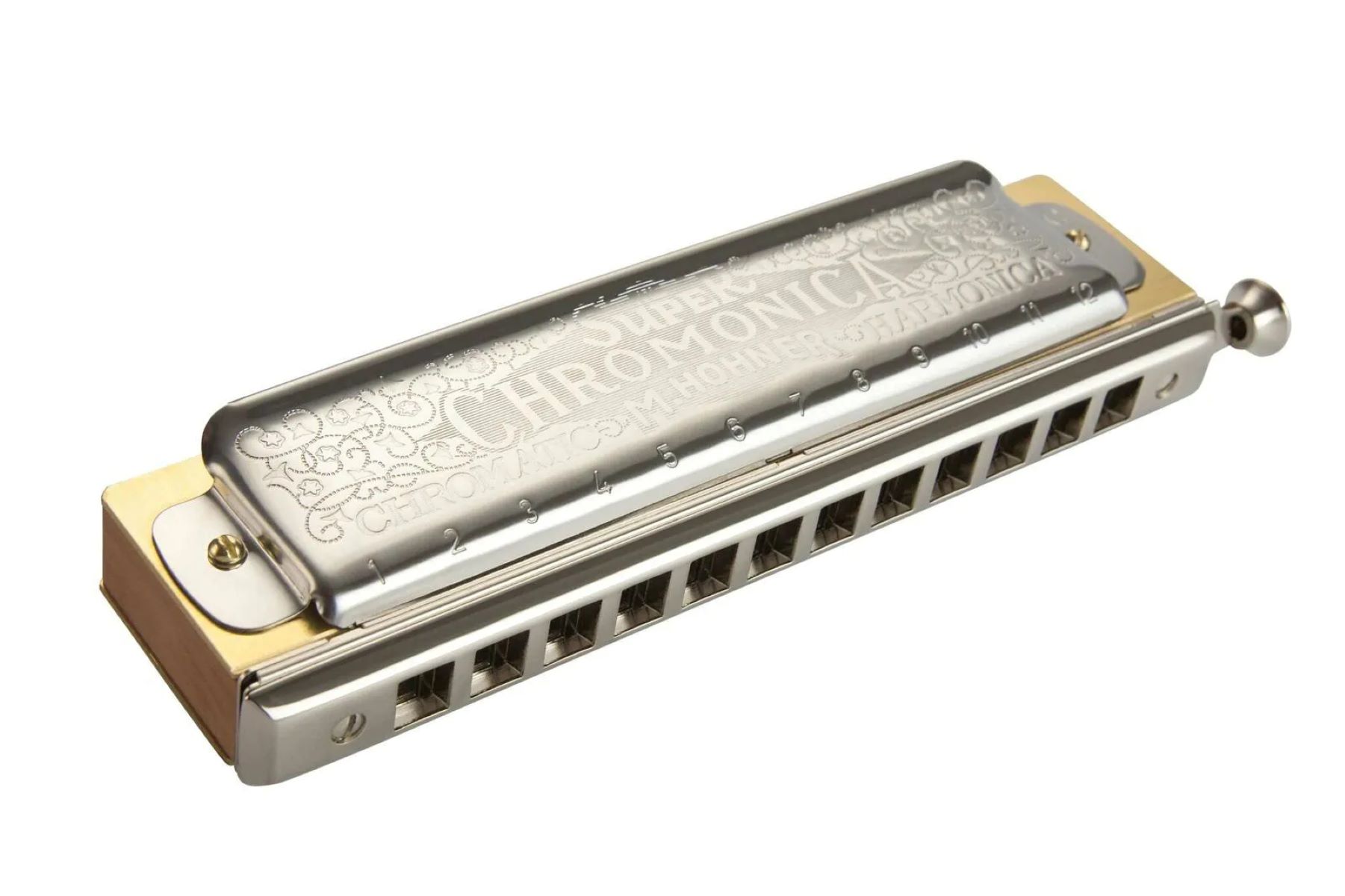
Before consulting any harmonica buying guide, the first thing to sort out is that almost all classic blues, rock and folk lines are played on a diatonic harmonica, a 10-hole instrument tuned by default to play in a single key. The name printed on the metal plate tells you its home key in first position, while bending notes and switching to second position, a fifth up from that label, unlocks a bluesy, wailing tone. For most beginners, the documented starting point is a diatonic harmonica in the key of C, which matches the pitch of countless online lessons and play-along tracks. Selecting the right key of harmonica for a specific recording follows a simple rule of thumb: for a major, bright melody, grab the harp in the song’s own key, but for a gritty blues feel, choose the harp one step counter-clockwise on the Circle of Fifths, with a couple of special exceptions for tunes in F and F-sharp. Players chasing that nasal, folk-rock phrasing often study Bob Dylan's harmonica choice. If your ambitions lean toward jazz, classical melodies or Stevie Wonder-style runs, you will need a suitable chromatic harmonica instead, and a 12-hole chromatic in C is the most common beginner choice because its button-activated slide gives you every semitone in the octave without needing advanced bending technique.
Learning to play
Once you have the right harp in hand, the shape of your first practice sessions depends on which type you picked up. Most players begin when they first play harmonica 10 holes because the standard diatonic layout lets you bend notes and unlock second-position blues, and you will want to read the article about how to play harmonica 10 holes to master those foundational techniques. If your instrument has a double row of holes instead, you will need a different approach when you play tremolo harmonica, as those paired reeds are tuned to a gentle, shimmering beat and simply will not bend, so stick to straightforward folk melodies in first position, and the article on how to play tremolo harmonica will guide you through its unique style. Many singer-songwriters eventually want to play harmonica with guitar, and the real trick is purely physical coordination: you are training your neck, mouth, and strumming hand to operate independently while holding a steady rhythm, which is why the article on how to play harmonica with guitar is so valuable for blending both instruments seamlessly.
Buying, making, and valuing harmonicas
Once you know the key and tuning you need, the next step is finding the instrument itself. If you are searching for a place to buy a harmonica near me, your best bet is a dedicated music shop where you can hold a few models before committing, since Hohner relies on a network of local distributors worldwide rather than direct online sales. When you stumble across an old instrument at a flea market or in a family drawer, the question of hohner harmonica value rarely comes with a simple answer because a horn’s real worth depends on its specific age, condition, and rarity rather than a fixed catalog number. If you are curious about how the whole thing works, you can make a harmonica from scratch using nothing more than a couple of flat sticks, a strip of paper, a toothpick, and a rubber band, producing a simple free-reed sound that demonstrates the basic physics behind the polished instrument in your pocket. The same low-tech approach lets you make a folk harp with identical household materials, giving you a rough-and-ready way to explore the principle before you invest in a professionally built diatonic.
- to buy a harmonica near me — Where To Buy A Harmonica Near Me
- hohner harmonica value — How Much Is A Hohner Harmonica Worth
- make a harmonica — How To Make A Harmonica
- make a folk harp — How To Make A Folk Harp