Radio
How Does A Radio Work?
Modified: 22 January 2024
Table of Contents
First, understand radio wave science
Radio wave science begins with a simple picture: a radio wave is electromagnetic radiation with the longest wavelengths in the spectrum, carrying energy through space as oscillating electric and magnetic fields. That physical reality shapes everything about how a radio wave differ from a sound wave, and the distinction trips up many newcomers. Sound is a mechanical vibration that needs a material medium like air to push against. A radio wave needs no medium at all and moves cleanly through the vacuum of space. This is why astronauts can maintain radio contact when no one could hear a shout outside the capsule. To truly appreciate how this technology came to be, you will want to read about the initial discovery of radio waves, which reveals the experimental breakthrough that proved Maxwell's theories. Radio waves travel at the speed of light in a vacuum. For nearly every practical purpose on Earth you can treat them as moving at that same blistering pace. You cannot see them because their wavelengths fall far outside the narrow visible range that human eyes detect, and understanding the invisibility of radio waves helps explain why our senses alone are insufficient to perceive this essential form of energy. They sit well beyond the red end of light with lengths measured in millimeters up to kilometers. The existence of these waves was first predicted mathematically by James Clerk Maxwell in 1865 and then proven in the lab by Heinrich Hertz in 1888. That discovery opened the door to everything from broadcast stations to deep-space communication. To grasp how these phenomena fit together, you will want to read about the nature of radio waves, which clarifies the fundamental principles of electromagnetic radiation. Likewise, to understand why signals arrive almost instantaneously across the globe, you will want to read about the speed of radio waves. The core physical facts cover what you need.
How signals get from here to there
To grasp how a radio work, start by picturing a quiet studio and a blank carrier wave. That carrier is a steady electromagnetic rhythm that the transmitter will reshape. The microphone turns your voice into an electrical copy. That signal cannot travel far on its own. A radio transmitter work begins by layering the audio onto the carrier through modulation. This process alters either the height or the spacing of the wave so the pattern matches the sound. The antenna then radiates this modified energy at the speed of light. A distant receiver plucks it from the air and reverses the process. It strips away the carrier to leave only the original voice behind.
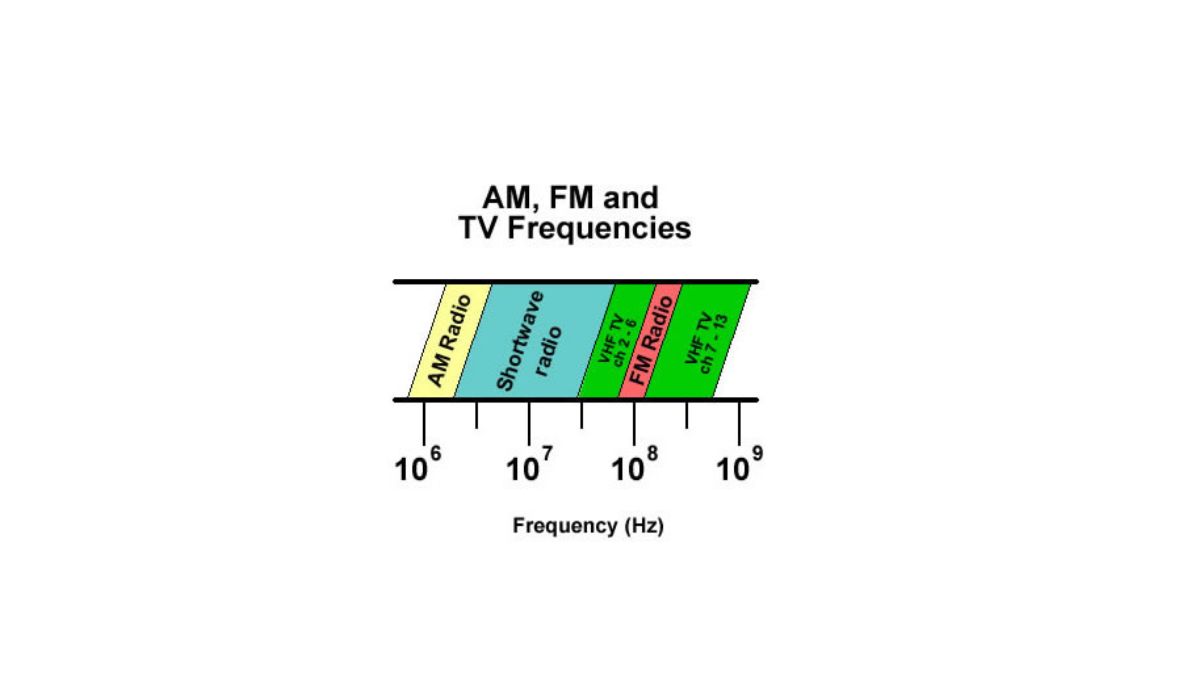
You need to know the difference between FM and AM radio before you book your visit or choose a project. When you hear AM stand for on the radio, you are tuning into amplitude modulation. Here the strength of the wave rises and falls with the sound. This makes AM susceptible to static but able to bounce off the atmosphere and travel great distances at night. Hearing FM stand for radio means frequency modulation. The wave’s strength stays constant while its timing shifts slightly to carry the signal. This technique shrugs off electrical noise and preserves the full richness of music. Here is how to make a radio transmitter. You will choose between these two approaches based on whether you prize range or fidelity.
The hardware that makes it happen
Every radio link depends on physical hardware that begins with the transmitter and ends with the antenna. The most visible part of that chain is often a broadcast tower. Tall steel structures, either self-supporting or guyed, lift antennas high enough to shape a predictable coverage area. That is how radio towers work in practice. They give the radiated energy a clear path over buildings and terrain. A complete radio station pairs those towers with the transmitters and studio equipment that feed electrical signals into the system, all operating under a license that defines its frequency and power. When you hold a wireless radio, you are holding a compact receiver and transmitter that uses its own antenna to catch or launch those same waves, scaled down to fit in your hand. In remote areas or inside tunnels, a single tower cannot reach every listener. A radio repeater steps in to receive a weakening signal and retransmit it on a different frequency, effectively bending coverage around obstacles. For anyone curious about the simplest possible receiver, a crystal radio strips away every layer of complexity. It is a radio receiver built from nothing more than an antenna, a ground connection, a tuned coil, and a detector, pulling its operating power straight from the incoming wave itself. Build a crystal radio by winding a coil, connecting one side to an aerial and the other to earth, and sweeping a variable capacitor until a local station breaks through the quiet, all without batteries or a wall outlet.
Different bands and their purposes
Once you move beyond the basic broadcast bands, the radio spectrum opens into distinct slices, each shaped to a different job. The high-frequency region reserved for shortwave radio bounces signals off the ionosphere, letting you hear stations from across the globe with nothing more than a wire antenna and patience, though reception shifts dramatically with the time of day and solar activity.
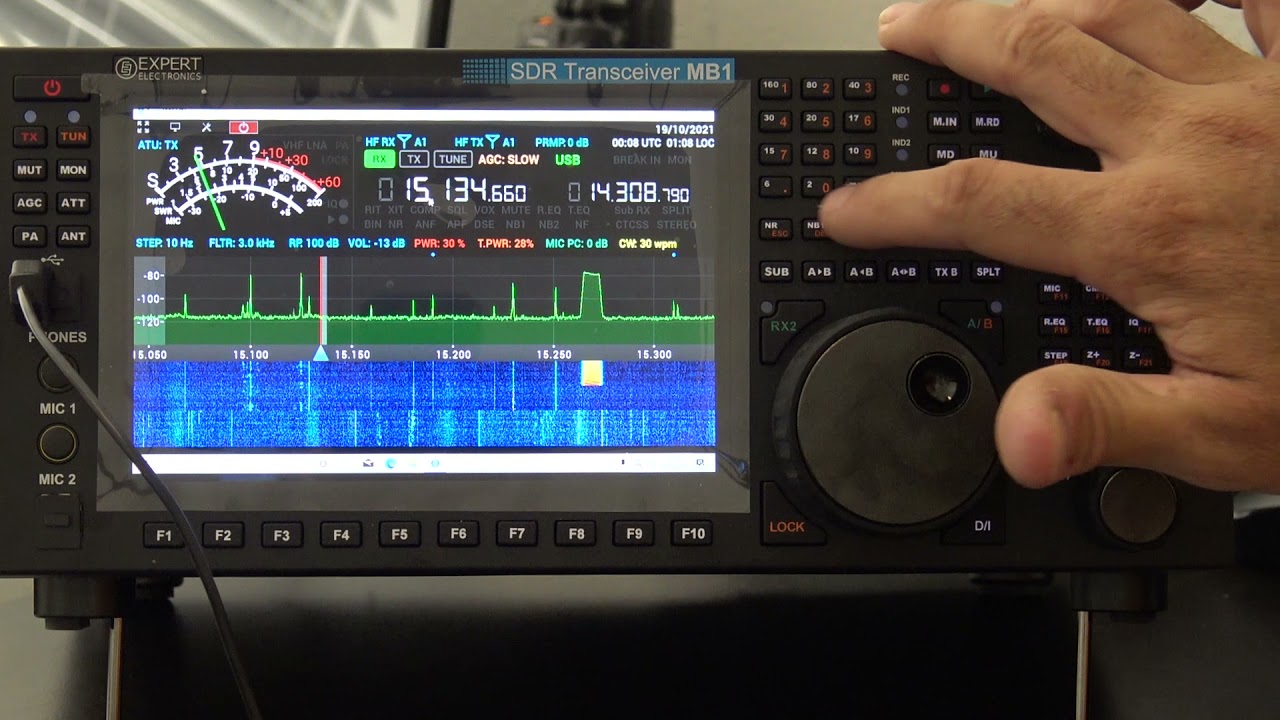
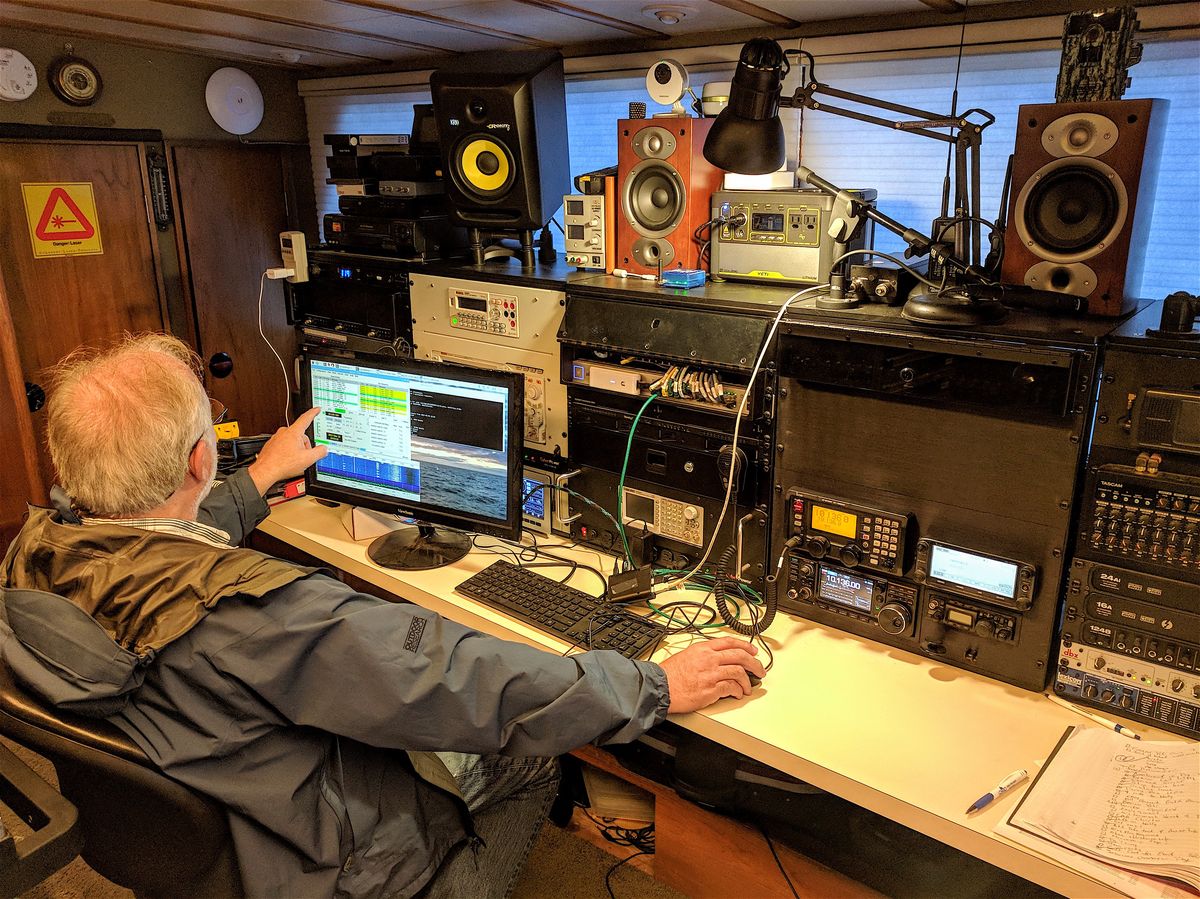
A completely different approach comes from an SDR radio, which abandons fixed circuitry in favor of software processing. Open the desktop application and follow the path from Home to Radio, then select Radio and Definitions to add a server. Choose a UDP port from 49152 to 65535. The server setup is desktop-only, and the developers explicitly warn, “Don’t use a mobile phone.”
For local digital links, Wi-Fi radio technology operates in the unlicensed 2.4 GHz, 5 GHz, and 6 GHz bands, shuttling data between your router and devices at short range and trading distance for speed. Skip the default auto-selection if your area is crowded with neighboring networks.
Stepping back, the full sweep of radio wave uses encompasses broadcasting, cellular networks, Bluetooth, GPS, satellite services, two-way radios, and amateur radio, keeping everything from a wristwatch to a spacecraft connected across the silent electromagnetic spectrum.
Practical skills for makers and tinkerers
Once you grasp that radio energy is silent and invisible, the first hands-on step is learning to detect radio waves with simple tools, which is exactly what you need if you want to understand the article on how to detect radio waves. A basic field-strength meter built from a diode and a sensitive microammeter will show you the shape of the field around a transmitting antenna, letting you map where the energy is strongest without any batteries in the probe circuit.
When you want to block radio waves for a project, the practical approach is to surround the target with conductive material such as aluminum foil, copper mesh, or metal enclosures, a method explained in the article on how to block radio waves. You must bond every seam tightly and ground the assembly, because even a narrow slot can act as an antenna and let signals leak through.
Understanding the many radio waves used for purposes beyond broadcast helps you decide what to block and what to let pass, which is why you would want the article on what radio waves used for are. The same spectrum carries Wi-Fi data in the 2.4 GHz and 5 GHz bands, GPS timing signals from satellites, and two-way channels for emergency services, so a shield that quiets one device may leave another untouched.
- radio waves used for — What Are Radio Waves Used For?
- detect radio waves — How To Detect Radio Waves
- block radio waves — How To Block Radio Waves
Radio's footprint in history and culture
If you want to understand how was radio created, book the “Fessenden Room” exhibit at the North Carolina Museum of History for a Tuesday morning slot, arrive by 9:15 a.m. and use the east entrance to skip the main lobby queue, then go straight to the back alcove where the spark-gap transmitter replicas sit. The story involves multiple inventors, with Heinrich Hertz proving electromagnetic waves in 1885 and Reginald Fessenden making the first voice-and-music transmission on December 24, 1906.
The question of the radio's inventor has no tidy answer, since Hertz supplied the physics, Guglielmo Marconi built the first practical wireless telegraphy in the mid-1890s, and Fessenden gave it a human voice. When you search for the radio's release date, arrive at the west entrance, walk past the amateur-radio display, and go directly to the KDKA corner where the first scheduled broadcast logs are displayed. The moment broadcasting entered public life arrived in the early 1920s when stations like KDKA began regular scheduled programming and receiver sales took off.
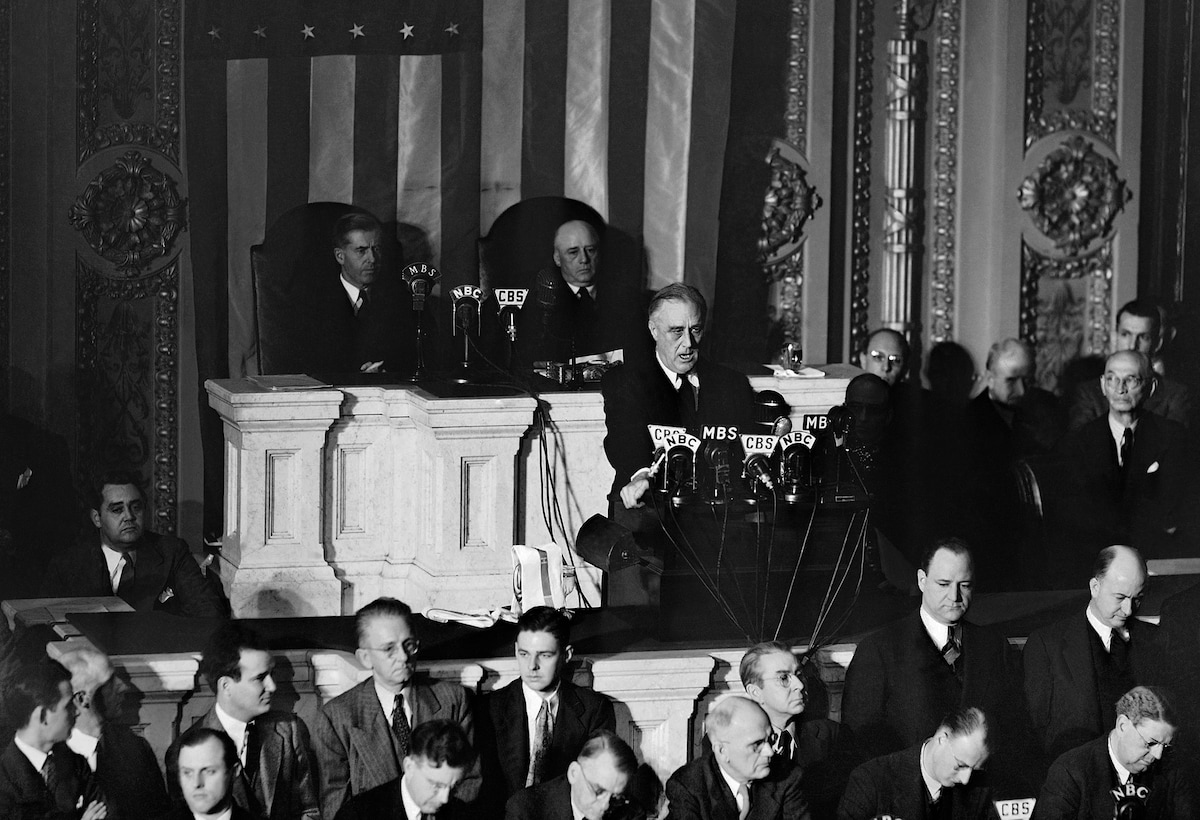
That new medium quickly proved its political weight. A president delivered the first presidential address on radio 94 years ago today when Warren G. Harding spoke at the Lincoln Memorial dedication on May 30, 1922, and suddenly a leader’s words could reach citizens gathered around a receiver hundreds of miles away. To experience this moment, book a timed-entry ticket for the “Harding on Air” listening station, arrive at the south entrance, skip the introductory film, and put on the headphones to hear the scratchy recording in full. The broader radio's effect on daily life was a profound rewiring of how people experienced news, sports, entertainment, and civic identity, knitting together a shared national culture during a decade when families would gather in the living room to listen rather than read the evening’s stories in silence.
Everyday uses you might not think about
Many of the devices you use every day depend on radio used for purposes that have nothing to do with a music station. Your wireless earbuds maintain their link through a short-range Bluetooth radio band, while your phone’s map app calculates your position by interpreting silent electromagnetic signals from GPS satellites overhead. The same phone call you make travels through cellular networks that are, at their core, sophisticated radio systems. In aviation and public safety, the definition of a UHF radio is a device that uses Ultra High Frequency bands, which one manufacturer describes as operating in the 400-470 MHz and 400-527 MHz ranges, to provide reliable two-way communication where immediate clarity can be critical. When a pilot stops transmitting for a period, that deliberate radio silence mean a break in communication that can be a standard procedure or a sign of trouble. Even objects you handle without a second thought, like a credit card or a library book, often contain RFID tags that use radio-frequency energy to confirm an identity or prevent theft. Your home Wi‑Fi router fills the room with data riding on radio waves, and your smart appliances listen constantly, decoding instructions that arrive not as sound but as invisible pulses of light-speed energy.