Home>Devices & Equipment>Bass, Subwoofers and Treble Guide

Devices & Equipment
Bass, Subwoofers and Treble Guide
Modified: 3 October 2026
Table of Contents
Understanding bass and treble
Every piece of music you hear is built on a foundation of bass and treble frequencies. Understanding bass in music means recognizing that the weight of a kick drum or the rumble of a bass guitar lives in the low end, while cymbal shimmer and vocal breath sit in the treble. Before adjusting treble and bass on any device, it helps to know that turning up the treble pulls forward detail and sharpness. Pushing the bass adds warmth and body, but only within the limits of the speaker you are listening through.
If you are boosting bass on devices like an iPhone, you can use the Music app's EQ presets such as Bass Booster. Apple does not provide manual sliders there. On a Samsung Galaxy, the Custom equalizer under Settings > Sounds and vibration > Sound quality and effects lets you drag the low-end bars up yourself. Spotify gives you draggable dots inside its own equalizer. None of these software boosts move physical air the way a dedicated low-frequency driver does.
The extreme example of missing bass in And Justice for All is a famous production choice where the low end was almost entirely stripped from the final mix. If you crave a physical chest-thump rather than a tonal tweak, you are chasing a different problem entirely.
Choosing and setting up a subwoofer
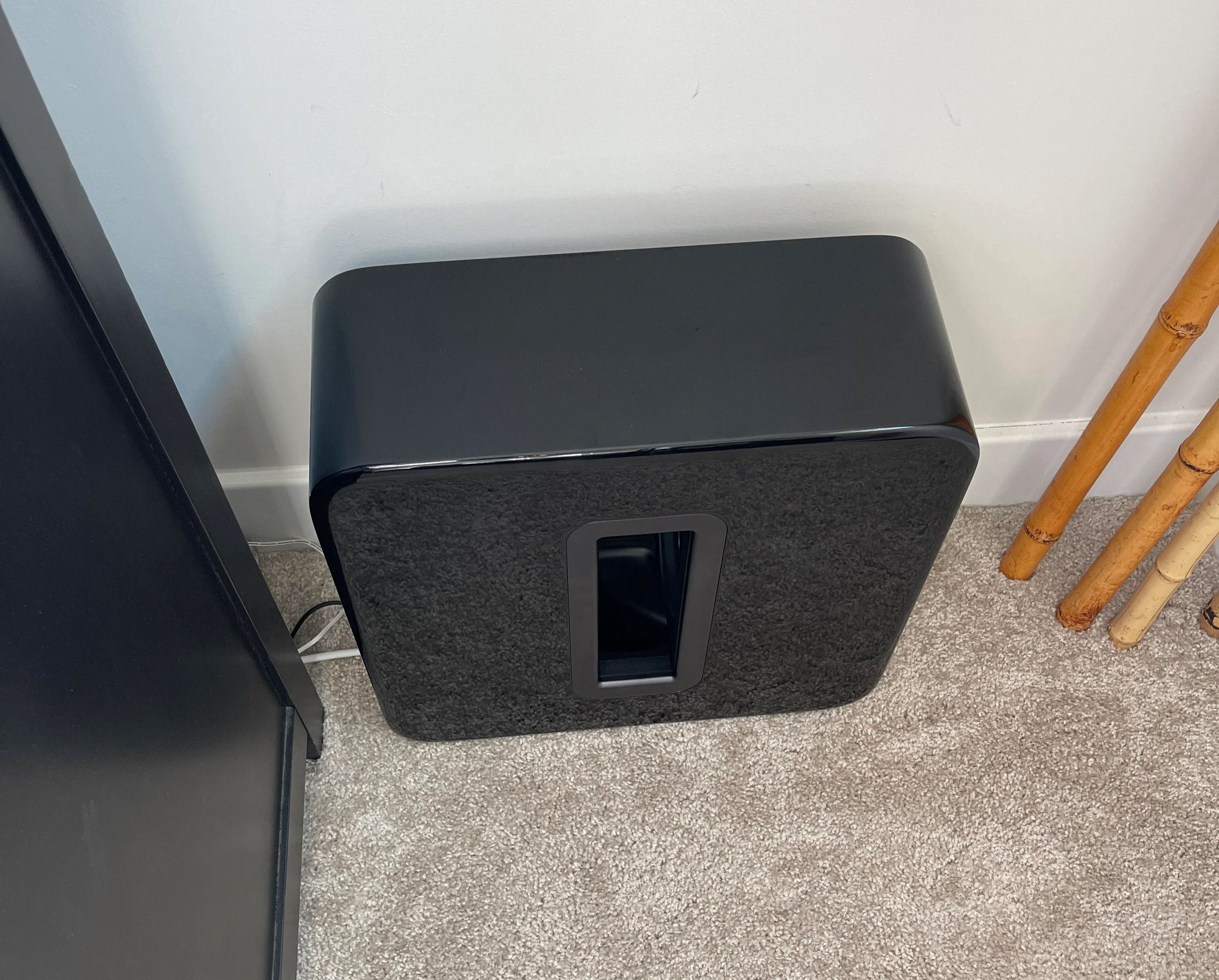
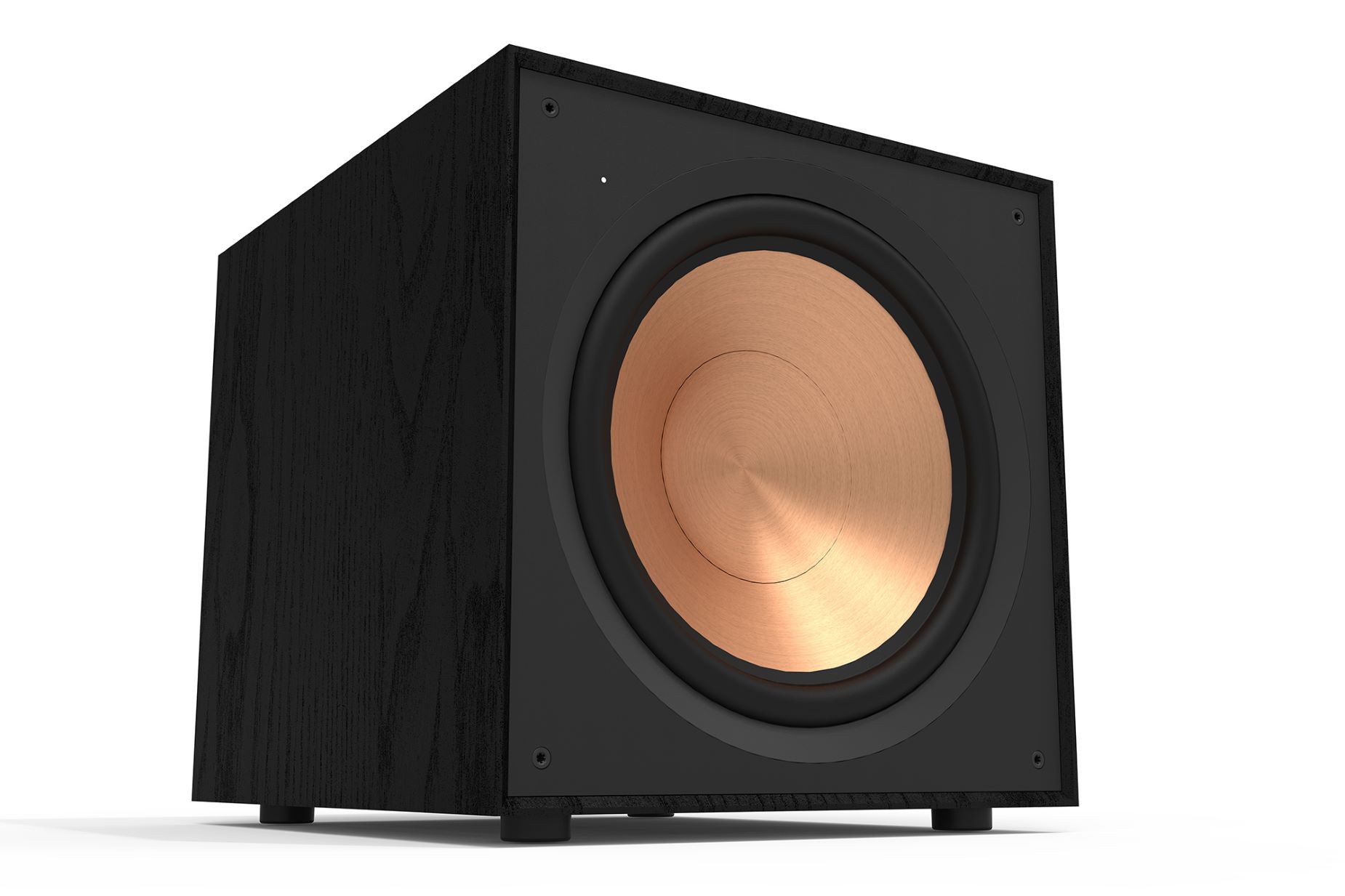
When you start looking at subwoofer basics and specs, the number that matters most is not wattage but driver size and frequency response. A larger cone simply moves more air and reaches lower without straining. Choosing a subwoofer means matching that physical capability to your room. A compact sealed box can sound tighter in a small apartment, while a ported cabinet digs deeper and suits a larger open floor.
Once you have it home, subwoofer placement and setup follows a method you can try right now. Place the bass unit at your main listening seat and play a track with a consistent bass line. Then crawl around the floor to locate where the low end feels fullest and most even before marking that spot.
For soundbar and subwoofer pairing, most systems use a dedicated wireless link that sometimes needs a manual trigger. On a Samsung soundbar, with the soundbar off, press the ID SET button on the sub itself until the blue LED blinks quickly, then hold Mute on the remote until ID SET appears on the display, and turn the soundbar on to finish. A TCL low-frequency module typically pairs automatically after both are plugged in; if needed, press and hold the Pair button on the subwoofer, then press and hold Pair or Subwoofer on the soundbar remote or top panel.
If you are chasing a truly custom low end in a car or dedicated listening room, building subwoofer boxes lets you tune the enclosure volume and port length to the exact Thiele-Small parameters of your chosen driver. This is a level of precision no off-the-shelf cabinet can match.
Connecting and installing your gear
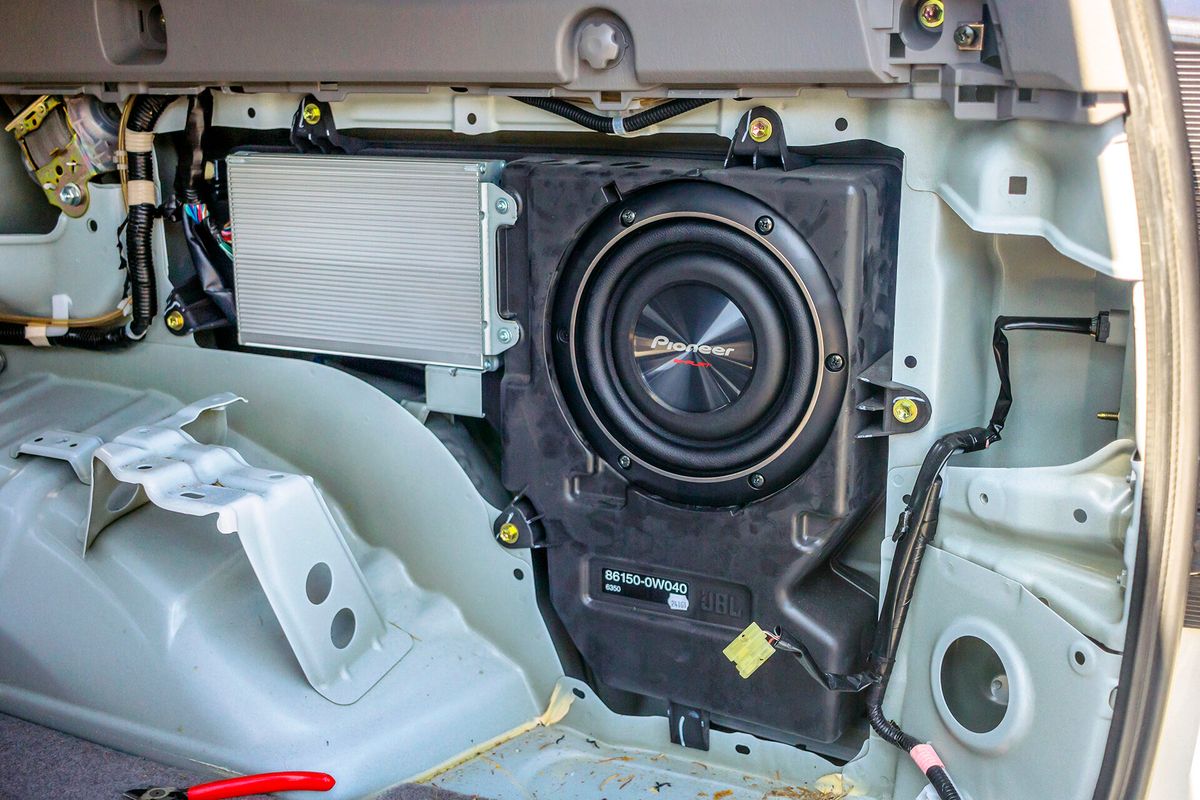
Before you run a single cable, disconnect the negative battery terminal, the non-negotiable first step of any car subwoofer installation that can otherwise blow fuses or damage your stereo, a guide you will want if you are looking to add deep bass to your vehicle without risking electrical trouble. Once the power cable is routed from the battery along one side of the vehicle, run the turn-on wire and RCA signal cables down the opposite side, where the blue remote wire from your head unit tells the amp to wake up.
After that, set your front speakers to "small" and dial the crossover to around 80 Hz, or around 120 Hz for bookshelf speakers.
For a space where music matters more, a smart amp built for creativity gives you a dedicated woofer and dual tweeters in a 2.1 configuration, and if you want stereo performance, connect both the left and right outputs.
Wherever you place the low-frequency driver, crawl the room afterward to confirm the low end feels even and physical, because all the wiring in the world will not fix a hollow corner.
- turn on hatch sound machine — How To Turn On Hatch Sound Machine
- car subwoofer installation — Car Subwoofer Installation
- connecting a subwoofer — Connecting a Subwoofer to Your System
Fixing problems and niche questions
When a subwoofer suddenly goes silent, the fastest path back to feeling the low end starts with methodical subwoofer repair and troubleshooting rather than assuming the driver itself has failed. Confirm the unit is plugged into a live outlet and powered on. Check that the cable is seated in the correct LFE or sub-out port on your receiver. Raise the gain knob to at least 50-60% or roughly the 12 o’clock position. Test with a known-good RCA cable to rule out a simple break in the wire.
If you own a Klipsch model, you can also unplug the RCA at the sub end and touch the center pin with your thumb. A healthy amplifier will produce a low buzz through the driver. A dead-silent one points to the internal amplifier wiring that becomes accessible after removing the back-panel screws. Sony soundbar owners wrestling with a disconnected wireless link should open the AMP MENU, navigate to WS, select LINK or S. ON, press Enter, and wait for the display to show START and SEARCH. Then press the LINK or SECURE LINK button on the low-frequency unit itself.
If that same Sony bass module keeps turning itself off during quiet passages, head into its own controls and switch Power Save to OFF. Then double-check that the speaker size setting in the main unit’s Set-Up menu is not configured in a way that tells the system to stop sending signal. Moving beyond dedicated low-end cabinets entirely, a bassist chasing a specific metal tone might wonder about Jason Newsted's bass model.
If your practice space doubles as a dance studio, getting the ballet barre height recommendations right prevents strain. One product guide places the lower barre at 82 cm from the floor, though this is a product-guide recommendation rather than a universal rule. A dancer-specific rule sets the rail between your elbow when the arm hangs relaxed and the height of your hands in second position. And if you are troubleshooting the low end in your own hands rather than in a speaker cabinet, the physicality of playing bass guitar means that a fret buzz you hear acoustically will never be fixed by a twist of the amp EQ.
- subwoofer repair and troubleshhoting — Subwoofer Repair and Troubleshooting