Home>Noise Cancellation>What Is Active Noise Cancellation?
Noise Cancellation
What Is Active Noise Cancellation?
Modified: 22 January 2024
Table of Contents
What active noise cancellation actually is (and isn't)
Active noise cancellation is an electronic process, not a physical barrier. Your headphones use outward-facing microphones to catch predictable, low-frequency drones, like the hum of a plane engine or an air conditioner, and then generate an inverted sound wave to cancel that noise before it reaches your ear. To understand why you would want an article about "active noise cancellation". This is the key to understanding the difference between active noise cancellation and noise cancellation as a user-facing label. When you tell Google Assistant to "Turn on noise cancellation" or press the Noise Control button on AirPods Max, you are toggling this same anti-noise system. What you get from a tight earbud seal is passive noise cancellation, which is simply the physical isolation created by the silicone tips or earcups blocking sound. You may also encounter the term hybrid active noise cancellation in product marketing, though the core principle remains rooted in noise cancellation origins dating back to Paul Lueg’s 1936 patent. Because the system relies on a stable seal and consistent noise, a loose fit or a blocked microphone will defeat it, and it cannot cancel sudden, irregular sounds like a dog barking.
ANC in headphones and earbuds
Getting ANC to work properly on personal audio devices starts with understanding exactly what it can and cannot do. The feature relies on a tight physical seal. Even advanced systems will struggle if your eartips are the wrong size. This is especially true when you want to use active noise cancellation without listening to something. On AirPods, for example, simply wearing them and selecting the mode from your device works even with no audio playing. A poor fit will still let low-frequency rumble leak through. When you need to switch between noise cancellation and transparency, most earbuds offer a press-and-hold gesture. On Pixel Buds a single chime confirms you are in the right mode. A double chime means you are letting sound in.
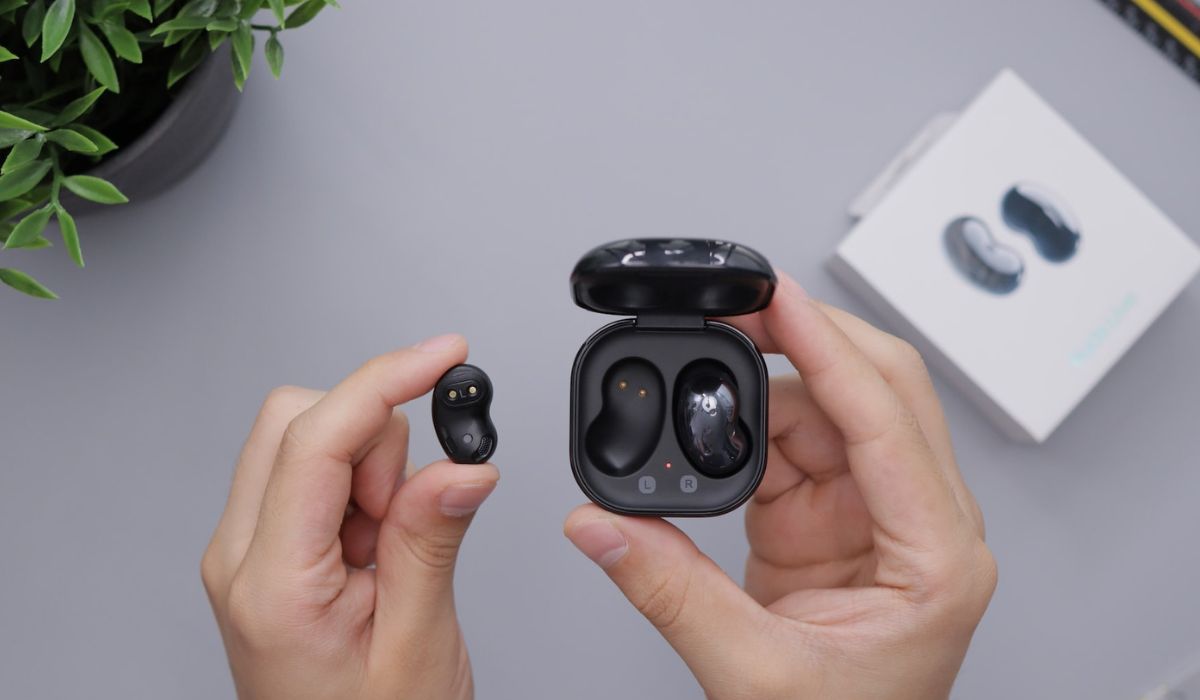
Brands label these pass-through features differently, which can cause confusion. What Apple calls Transparency, Samsung refers to as ambient mode on earbuds. It is specifically named Ambient sound in the Galaxy Wearable app. Open the app and adjust the volume and voice focus sliders to your preference. There is an exception: Galaxy Buds Live do not follow this pattern. They use Active noise canceling without a traditional Ambient sound mode. The active noise cancellation Galaxy Buds provide on other models functions similarly to competitors. If you are researching ANC on earbuds before a purchase, remember that transparency and ambient sound serve the same purpose. This knowledge helps you compare features across Apple, Google, and Samsung devices without getting lost in the terminology.
ANC for calls and microphones
When you need your voice to cut through background noise on a call, noise cancellation is best for calls that use dedicated microphone-side processing rather than the feed-forward ANC that quiets what you hear. On an iPhone, open Control Centre during a phone or FaceTime call. For phone calls, tap App Controls, then under Audio & Video select a Mic Mode and choose Voice Isolation. For FaceTime calls, tap FaceTime and select Voice Isolation. This option is available on iPhone XR and later models. Phone-call support requires iOS 16.4 or later. On Android, during a Google Meet call, tap the screen, tap More, tap Settings, then tap Noise cancellation. Most recent Pixel and Samsung phones handle this on-device. Certain Workspace editions add cloud-based processing that runs on Google’s servers.
Gaming headsets take a different approach to cleaning up your mic signal. To enable ClearCast AI noise cancellation, open SteelSeries Sonar. Go to the Equalizer tab and toggle the CLEARCAST AI NOISE CANCELLATION switch on, or select Microphone in the GG bar and press the blue toggle. A similar toggle in the Chat category suppresses noise coming from teammates. Because this runs on your CPU, it avoids the frame drops that can plague GPU-based solutions. You may also encounter headsets that claim cvc noise cancellation work as part of their Bluetooth chipset. This is a Qualcomm technology that processes voice separately from the music path. The exact implementation varies by manufacturer. For any system, the physical setup still matters. Position the boom mic a finger’s width from the corner of your mouth. Check that no port is blocked. A misaligned mic or a blocked port will defeat even the smartest software. The algorithm needs a clean sample of your voice to subtract the right noise.
Automotive systems add another layer of complexity. Bose engineered its system to do more than just subtract noise. Under acceleration, it also shapes certain engine harmonics. This blends cancellation with a refined character. To hear the difference, book a test drive in a vehicle equipped with the latest Bose or AKG system. Arrive at the dealership before 10 a.m. on a weekday. Use the service entrance, not the main showroom doors. Skip the standard audio demo. Instead, ask the specialist to drive a route with a coarse pavement surface and a highway on-ramp. During the drive, toggle the active noise cancellation on microphone setting in the vehicle’s audio menu. Listen for how your voice carries to passengers without the system pumping in artificial engine drone.
ANC in your vehicle
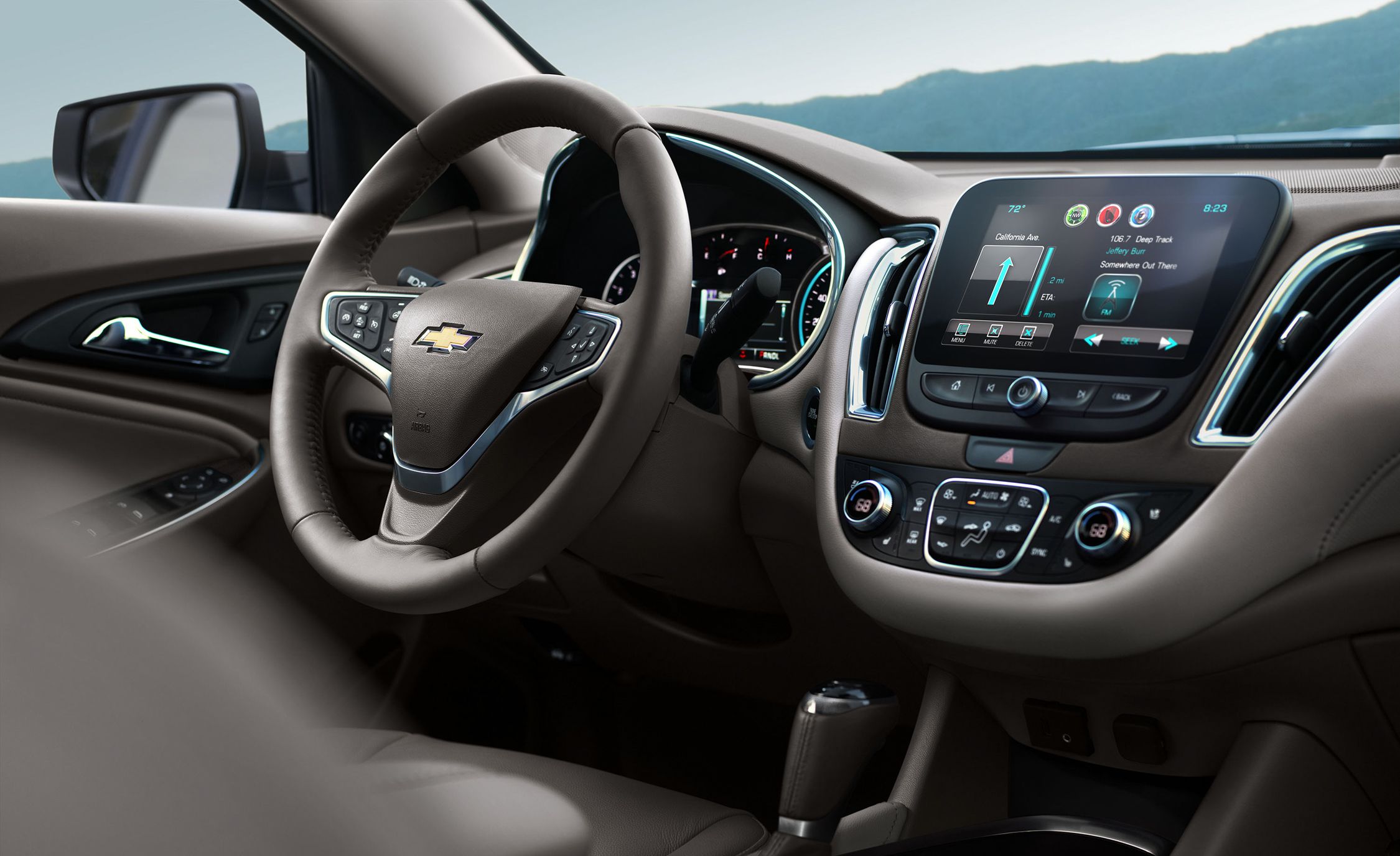
Automakers have adapted the same wave-canceling physics used in headphones to quiet your daily commute, but getting the benefit depends on a properly sealed cabin and functioning microphones. The core principle behind how does active noise cancellation in a car work relies on overhead mics picking up persistent low-frequency drone from the engine and road, then instructing the audio speakers to fire an inverted sound wave that neutralizes the hum before it reaches your ears. A loose door seal or cargo sliding over a cabin mic can break the loop, letting that low-end rumble return. In Ram trucks, the dodge active noise cancellation RAM 1500 system works alongside active tuned mass modules mounted on the frame to damp vibration. Honda takes a similar path with active noise cancellation honda calls Active Noise Control, which pulls engine-speed data and microphone input to generate a canceling signal through the factory speakers. In the sedan lineup, the 2024 maxima’s available active noise cancellation do more than just subtract noise, as Bose engineered it to also sharpen certain engine harmonics under acceleration, blending cancellation with a refined powertrain note. 2021 gt-r’s available active noise cancellation do details.
Finding ANC in specific car models
When you are trying to track down whether your specific vehicle has this feature, the first reliable stop is often the original window sticker or build sheet. For a popular crossover, finding active noise cancellation information on 2018 chevy equinox is straightforward because the manufacturer made it standard equipment that year, though the cabin is quiet enough that many owners never see a dedicated on-screen badge or toggle confirming it is at work.
Sedan shoppers encounter a similar situation, as active noise cancellation in the Ford Fusion was baked into the vehicle’s refinement package from the debut of that generation. To know if you have active noise cancellation in a 2013 ford fusion se, verify that the audio system is factory-original rather than hunting for a menu checkbox, since the system relies on the stock speakers and microphones to cancel road drone without any driver-facing controls.
If you want to go beyond paperwork and feel the system engage, run a simple driveway test that works across brands. First, warm the engine fully and seal the cabin, then slowly raise the RPM to a steady 2,000 and listen for a subtle pressure change or a drop in low-end hum as the opposing sound wave kicks in. This same principle underpins how active noise cancellation on buick how does it work test scenarios play out, as Buick’s QuietTuning measures engine noise through interior microphones and uses the speakers to project a canceling signal.
Turning ANC off or on
Active noise cancellation systems do more than just subtract noise; Bose engineered it to also shape certain engine harmonics under acceleration, blending cancellation with a refined note that preserves a sense of mechanical connection. The result is a cabin that feels quieter without becoming disconnected from the driving experience.
Turning off the system in a vehicle is rarely a simple menu toggle. This becomes a problem when aftermarket audio upgrades are on the workbench. New amplifiers and subwoofers change the cabin’s sound signature. The factory microphones still listen for the original engine drone and often respond by generating a low-frequency rumble or howl through the new gear. The most direct fix is to physically disconnect the microphones that feed the ANC module. You can also unplug the signal wires at the factory radio, amplifier, or ANC module itself. Make sure the mics you pull do not also handle your Bluetooth hands-free calling.
Automakers do not publish a user-facing kill switch. To deactivate active noise cancellation car 2017 models, trace the wiring rather than hunting for a software checkbox. To shut off active noise cancellation 2019 ford f 150 trucks, disconnect the signal wires at the factory radio, amplifier, or ANC module. Book a professional audio installer if you are not comfortable reading a vehicle wiring diagram. Arrive at the shop with a clear brief about which microphones to leave powered for your phone calls. Skip the dealership service department for this job, as they will not disable a factory-integrated safety or comfort system.
On the phone side, the concept shifts from cabin rumble to call clarity, and the toggle is easier to reach. If you own an iPhone 12 or earlier model, phone noise cancellation on iPhone 7 is on by default. Go to Settings now. Tap Accessibility. Tap Audio & Visual. Flip the Phone Noise Cancellation switch to off when you want to disable the processing that filters background hum from your voice. Skip any third-party app that claims to do this for you, as the setting lives only in the system menu.
While the active noise cancellation in the Xperia Z5 Premium uses a secondary microphone to sample ambient sound and create an opposing wave during media playback, the core physics remain the same across devices. A blocked port or a poorly seated earbud tip will break the phase-inverted signal before it can do its job. Inspect the microphone openings on your earbuds before you start troubleshooting. Clean them with a dry, soft-bristled brush. Seat each tip firmly in your ear and run the fit test in your headphone companion app.
Testing and troubleshooting ANC
Before you chase a warranty claim, first take a moment to know if active noise cancellation is working by using your own ears as the diagnostic tool. With your earbuds seated and connected, toggle deliberately between Transparency and Noise Cancellation modes. If you cannot hear the room tone shift from open and airy to a clamped-down hush, the system is failing to engage. A silent culprit is often a software conflict where the listening mode behaves erratically; on Apple AirPods, go to Settings, tap your AirPods name, and verify that Adaptive Audio is not enabled because that feature blends modes dynamically instead of locking into full cancellation. A poor physical seal is the other common killer, as a leak around the tip lets outside pressure rush in and collapse the phase-inverted signal before it can cancel anything. Sometimes the confusion is not a defect but a misunderstanding of the technology itself, so it is worth grasping the practical split between adaptive noise cancellation vs active noise cancellation which is better for your specific environment rather than assuming one is universally superior.
Cost and development of ANC
For anyone wondering about the cost of active noise cancellation, the price you see on a shelf has almost nothing to do with the raw bill of materials. It has everything to do with the engineering effort already sunk into the product. The microphones, speakers, and chips inside a pair of earbuds are physically inexpensive, but tuning the algorithm to cancel a specific acoustic chamber, whether it is a car cabin or a silicone ear tip, demands months of signal-processing work. That investment scales across millions of units, which is why the feature appears on premium models first and trickles down slowly. On the software side, the interface for controlling it is remarkably consistent once the hardware exists. If you own AirPods 4 with Active Noise Cancellation, AirPods 5, or AirPods Pro, toggle the effect from Control Center by touching and holding the volume control, then tapping the Listening Mode button to choose Active Noise Cancellation, Transparency, or Off. You can also dig into Settings to flip the Listening Mode between cancellation, transparency, or off. The same logic extends to the Beats lineup; open the Beats app for Android, tap the menu icon, go to My Beats, then on the device screen tap Active Noise Cancellation on or off. Samsung owners get a parallel experience. Galaxy Buds4 Pro support ANC, and you can adjust them through the Galaxy Wearable app on a non-Samsung phone or inside the device settings on a Galaxy device running One UI 8.0 or later. Skip the original Galaxy Buds and Buds+ because they lack the hardware for the feature entirely. When a seal breaks or a microphone shifts, no amount of software polish can rescue the phase-inverted signal, and that is the point where the development cost becomes invisible to a frustrated user who just hears a rumble.