Home>Production & Technology>Vinyl Record Collecting, Transfer and Value
Production & Technology
Vinyl Record Collecting, Transfer and Value
Modified: 3 October 2026
Table of Contents
Understanding the vinyl record collecting format
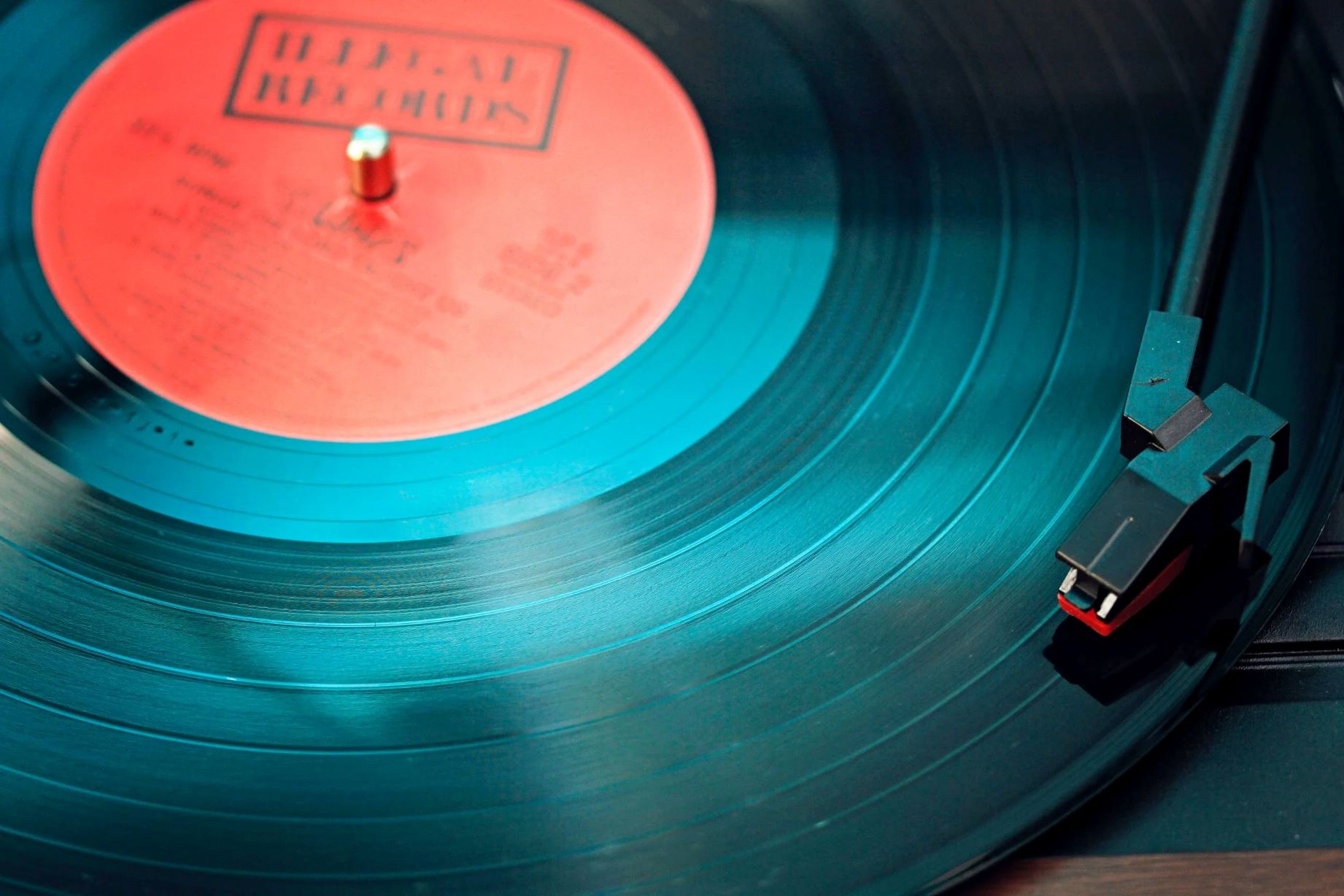
Vinyl record collecting starts with understanding the physical object before you pull a disc from a bargain bin or pay a premium for a modern reissue. The storage of music on vinyl is entirely physical. A continuous spiral groove is cut into the disc. Its microscopic walls carry the sound as modulations. A stylus will later trace those modulations and convert them back into audio. That sound information runs through the groove up to the printed center area. The size of a vinyl record label is not arbitrary. 12-inch LPs typically use a 100 mm label. 7-inch singles settle on an 84 mm standard. This leaves just enough room for the locked groove before the run-out.
These physical origins explain vinyl's role in music industries as an analog format that preserved and distributed albums before digital media. They also explain why it persists today as a commercial reissue and collector format, with some releases cut from original tapes. When you see a release marketed as audiophile vinyl, the term signals a chain of production choices aimed at higher fidelity. These choices often include all-analog mastering, premium pressing, and heavier vinyl such as 180-gram pressings. A jacket stamped with 180 gram audiophile tells you the record is pressed on 180-gram vinyl, a heavyweight pressing associated with audiophile editions and premium packaging. It is thicker and more resistant to warping. The extra mass itself does not guarantee a quieter noise floor. It also does not guarantee a more detailed soundstage than a properly pressed standard-weight record.
Building and valuing a collection
Building a collection with intent means knowing where to sell just as much as where to buy, because the market for music extends beyond vinyl into paper and silver discs. If you are thinning a pile of Broadway scores or vintage songbooks, connecting with old sheet music buyers near me can turn forgotten folios into cash, though you may need to email a specialist with your list rather than walk into a chain store. A similar targeted approach works for classical vinyl record buyers near me, where the audience for a mint Shaded Dog or a wide-band Decca pressing is often a dedicated collector or a used shop with a dedicated classical counter. When crate-digging through a 1970s pop, rock, or soul bin, identifying valuable 1970s vinyl can come down to matrix numbers in the dead wax and specific pressing-plant stamps, not just the artist or title on the spine. The same focused ear that makes you hunt a clean original pressing is also what leads many collectors to buy classical music cds, a format that still offers tremendous value for complete symphony cycles and out-of-print performances at shops such as Presto Music, where you can browse thousands of recordings spanning opera to symphonies, concertos to sonatas, contemporary to early music.
Converting analog to digital
Getting a record’s sound onto a hard drive is more about signal flow than software wizardry. The process starts well before you open an app. The analog groove holds a continuous wave rather than a stream of samples. Your first real decision is whether your phono preamp and audio interface are up to the task. A turntable plugged straight into a laptop’s mic jack will overload the input and sound thin. Once the gain staging is set correctly, the goal is simply to capture a clean, unclipped stereo file. Many people find that a standalone recorder with an SD card slot is an easy digital music recorder to use for this, sidestepping computer noise and driver headaches entirely.
If you do route the signal into a desktop, the software you choose to convert analog music to digital will let you trim the head and tail of each side. It can also split tracks and apply a gentle fade where the run-out groove falls silent. When your aim is to convert vinyl to digital music at the highest practical resolution, record at 24-bit depth and a sample rate of at least 48 kHz before you downsample for portable use. The final step to transfer music from vinyl records to computer is tagging each file with the correct artist, album, and pressing information. This turns a folder of unnamed waveforms into a library you can actually browse.
Working with digital and other formats
Working across formats often means pulling audio from silver discs as well as black ones. If you want to rip CDs audiophile, you will find that the process starts inside the Music app on a Mac by inserting the disc and opening the Import Settings under Music > Settings > Files > Import Settings, where you enable error correction to catch scratches that would otherwise leave pops in the files.
The reverse journey, where you burn music onto a vinyl record, is not a consumer desktop task, as no phone or computer workflow sends audio straight to a lathe and that path leads to a professional cutting engineer. A different physical twist comes when you transfer digital music to a cassette, which requires a working tape deck with a record head and a simple cable from your headphone jack to its line-in, since no smartphone app handles the magnetic side directly. The mid-80s playback format that reshaped portable listening was the compact disc, arriving as a shiny sonic promise just as vinyl was retreating from the shelves and cassettes ruled the car stereo.
Comparing formats and modern sources
The debate around digital versus vinyl sound quality often comes down to what you value in a listening session. Digital audio delivers a lower noise floor, wider dynamic range, and stronger stereo separation, avoiding the surface noise that defines a record groove, while vinyl’s hiss, pops, and narrower dynamic range create the analog character many ears find warmer and more engaging.
Among the three negatives that the invention of digital music created, listeners often point to a loss of smoothness when an analog signal is digitized, the potential for harsh high-frequency artifacts if reconstruction falls short, and a sense that compression or convenience can strip away the tactile emotional pull of a physical format.
If you are buying new records rather than digitizing old ones, a look at modern vinyl vendors points you toward direct-from-label storefronts like the Warner Music Store for official releases and independent shops such as Rough Trade for new and used vinyl alongside CDs and books.