Home>Instruments>Piano and Keyboard Maintenance and Repair
Instruments
Piano and Keyboard Maintenance and Repair
Modified: 3 October 2026
Table of Contents
Fixing stuck or silent keys with keyboard key repair
Keyboard key repair often begins with simple checks rather than complex electronics work. Before touching anything on a digital instrument, confirm whether the warranty is still active, as opening the case almost always voids it immediately. Many apparent component failures are actually simpler problems, and learning how to fix dead keys on a yamaha keyboard includes checking for crumbs or dust lodged beside the affected notes. A soft brush and a short burst of compressed air can clear debris that prevents a key from making contact. If cleaning does not help, verify that Local Control is still enabled and that the keyboard has not accidentally been placed in Split or Dual mode, either of which can silence a range of notes. A factory reset may restore normal operation if those settings are not the cause.
On an acoustic upright, a silent or sluggish key usually points to physical friction rather than an electronic fault, and knowing how to fix a piano key begins with gentle diagnosis. Press and hold the sustain pedal, test the stubborn key lightly, then press its neighbors firmly on both sides while holding the original key halfway down; if it returns freely, the obstruction may have been temporary. For a persistent bind, you can remove the key slip by taking out the screws underneath it and use a thin cardboard shim to locate where the key is rubbing against its neighbor or the front rail. When the problem lies deeper in the action, the safest approach is to have a technician remove piano keys and address swollen wood or misaligned parts, as improper removal risks chipping ivory or bending delicate pins.
Cleaning and maintaining your keys
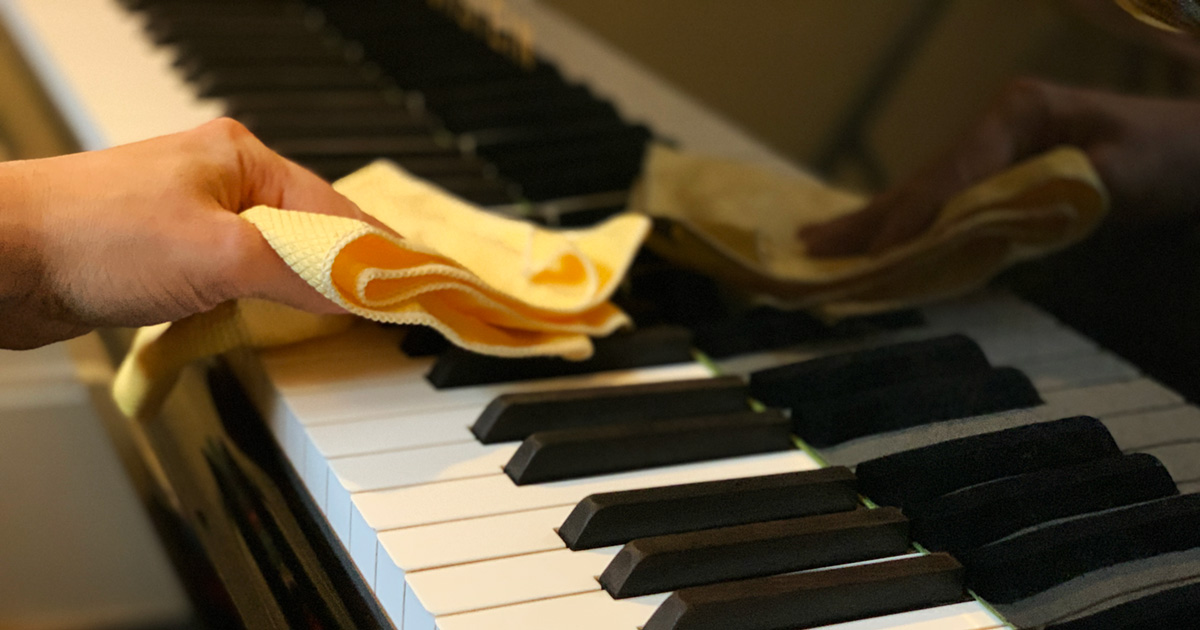
When keys lose their original brightness or feel sticky to the touch, the approach that works depends entirely on what they are made of. If you need to clean yellowed piano keys, start by understanding that genuine ivory and modern plastic react very differently to common household products. A soft cloth dampened with warm water and a drop of mild dish soap is safe for older ivory, while a dilute solution of white vinegar and filtered water can be used for Yamaha plastic keys. Never reach for anything containing alcohol, which can cause the material to crack over time, and avoid abrasive scrubbers or paper towels that leave fine scratches behind.
For routine care on a modern instrument, the method to clean piano keys yamaha recommends is straightforward. Dip a soft cloth into a weak solution of neutral detergent and water, wring it out so thoroughly that it feels only slightly damp, and wipe each key individually before immediately following with a dry, soft cloth. This removes any residual moisture before it can seep between the keys and swell the wood beneath. Never spray any liquid directly onto the keyboard, because even a fine mist can work its way inside and corrode the contacts that tell the instrument a note has been pressed.
Connecting gear and understanding your instrument
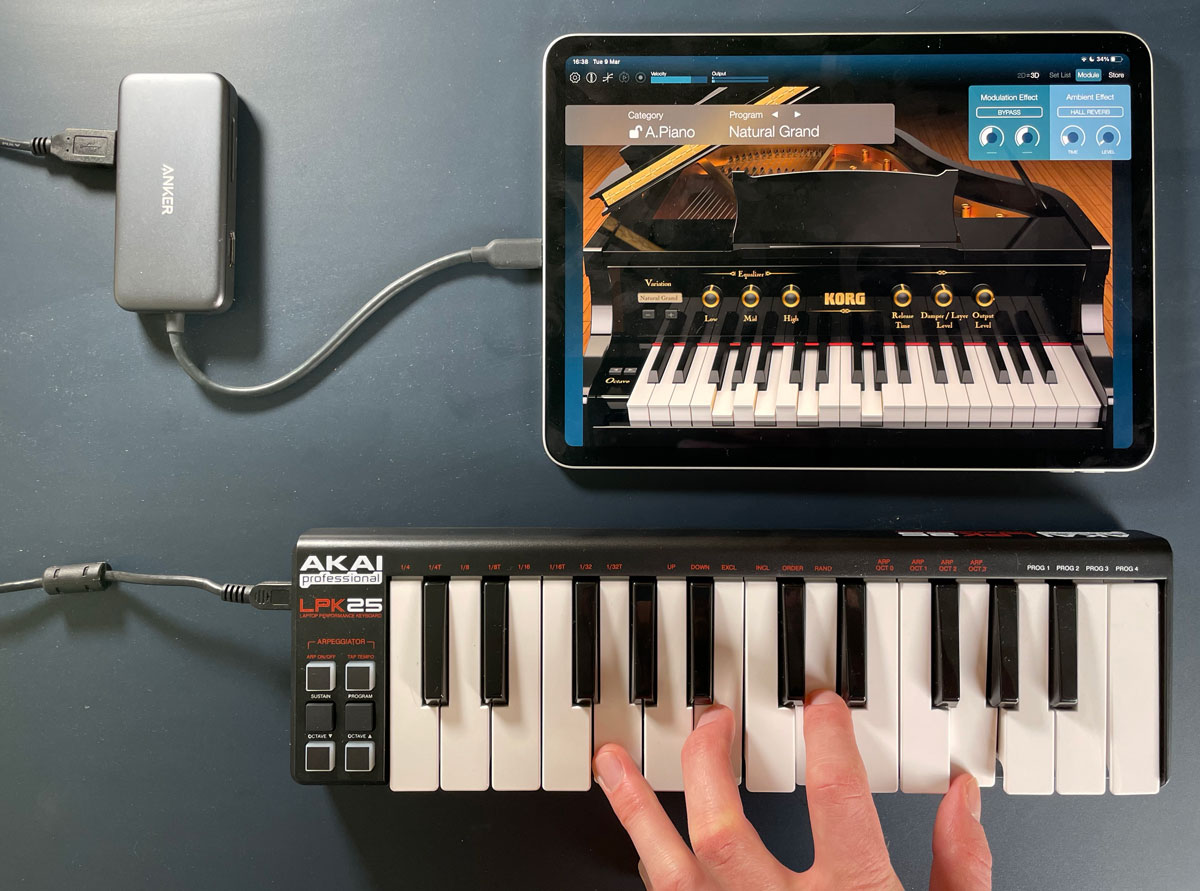
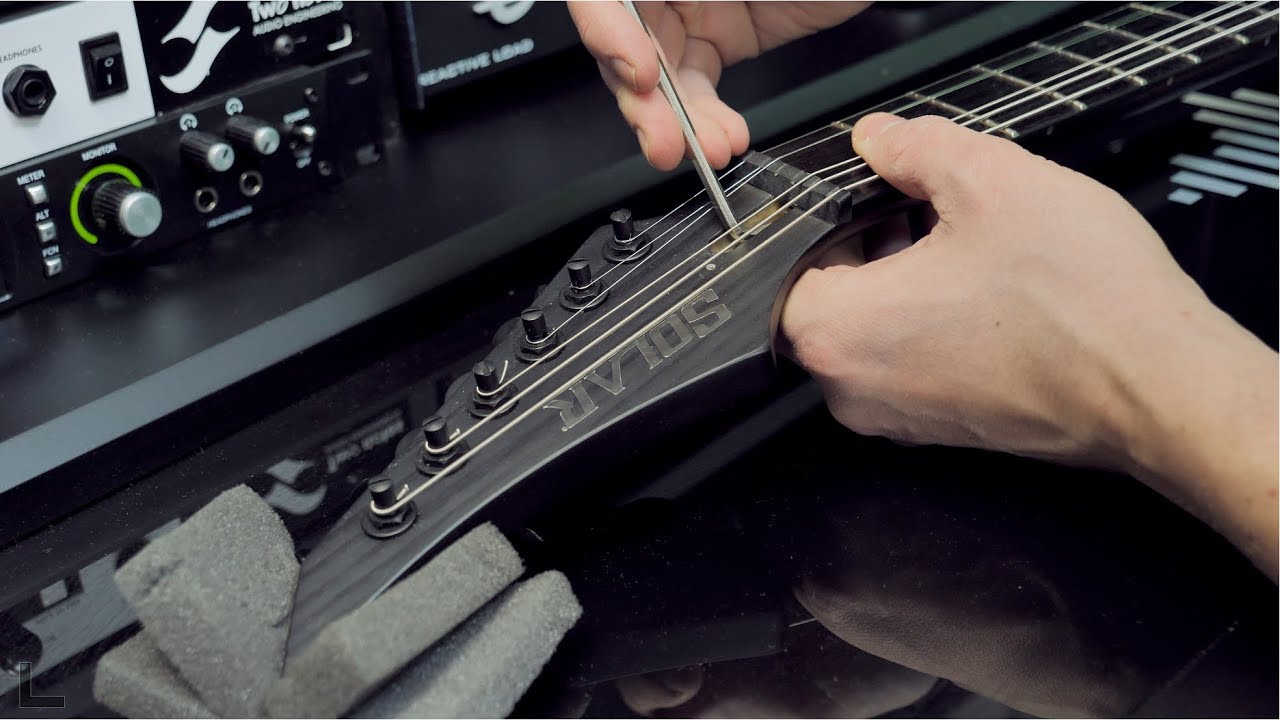
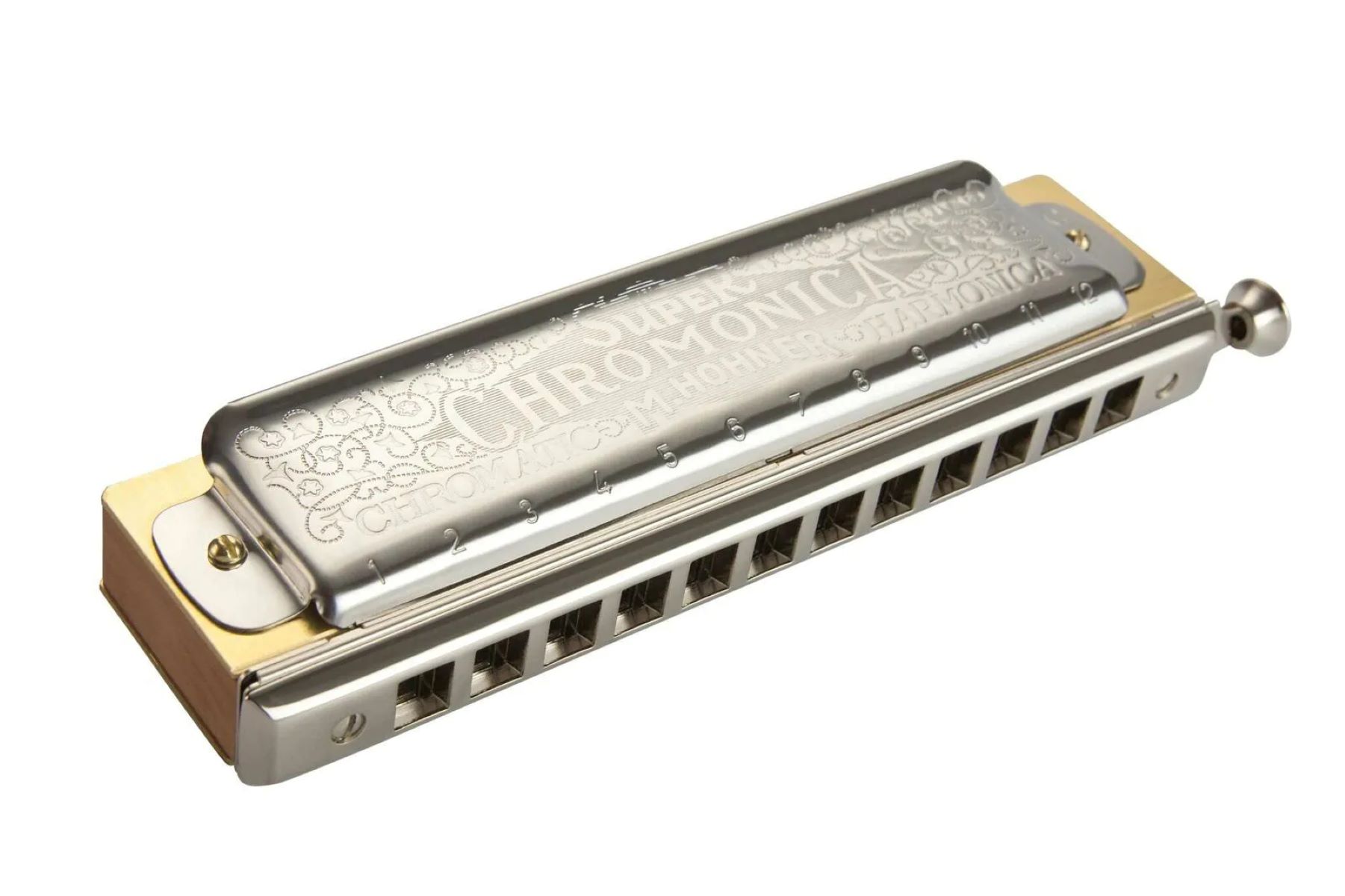
Expanding your setup often starts with a simple wired connection, and if you need to connect iPad to Yamaha P125, the reliable path uses an Apple Lightning to USB Camera Adapter paired with a standard USB cable. Just remember that iPad Pro models with USB-C require a different multiport adapter instead. Once the hardware is recognized, Yamaha’s Smart Pianist app can reveal settings that are buried in the onboard menus. When you are ready to branch out beyond the keyboard itself, the same attention to physical condition applies to acoustic guitar maintenance, where a proper setup corrects action height and intonation before small issues turn into cracks or warped necks. For players curious about horns, detailed brass instrument guides can help you keep valves and slides moving freely without accidentally scratching the lacquer. If a purchase is on your mind, researching Yamaha instrument pricing through an authorized dealer locator is the safest way to avoid counterfeit products and confirm what warranty coverage actually includes. Your musical interests may lead in unexpected directions, from studying harmonica guides to understand reed layouts and key choices, to the mechanical knowledge needed to hotwire a Yamaha V Star. This is a reminder that not every search for connectivity involves a USB cable.