Home>Production & Technology>Remixing Songs on Garageband, FL Studio and More
Production & Technology
Remixing Songs on Garageband, FL Studio and More
Modified: 3 October 2026
Table of Contents
What remix music actually is (and isn't)
Before you start to remix music, it helps to separate what people mean when they say they want to create a music remix from the platform-specific tools that borrow the same name. In production terms, a remix is a new sound recording that reworks the original audio by adding, removing, or altering material so the track sounds distinct from its source, which traditionally depends on isolating individual stems rather than piling new drums on top of a finished stereo file.
Platforms have stretched the word to describe quick creation features that do not always touch the underlying song structure. The remix on YouTube shorts can include built-in options such as Sound, Green Screen, Cut, and Collab, with newer remix actions like Add object and Extend with AI available for eligible Shorts. When you remix a video from your own uploads on Android, you tap Remix then Edit into a Short, select up to 60 seconds, and layer text or filters before publishing, while sampling someone else's audio works through the Share menu under the player. These tools are handy for reaction clips and visual mashups but rarely give you the multitrack control that a full remix demands. Creators sometimes chase remix views on YouTube as a metric for how much their content is being reused, though the platform does not surface a dedicated stat with that exact name in its help documentation. What you do get is a clear opt-in setting in YouTube Studio: under the video's Shorts remixing toggle, checking Allow people to sample this content makes your material available for others to build on.
Finding and preparing your source material
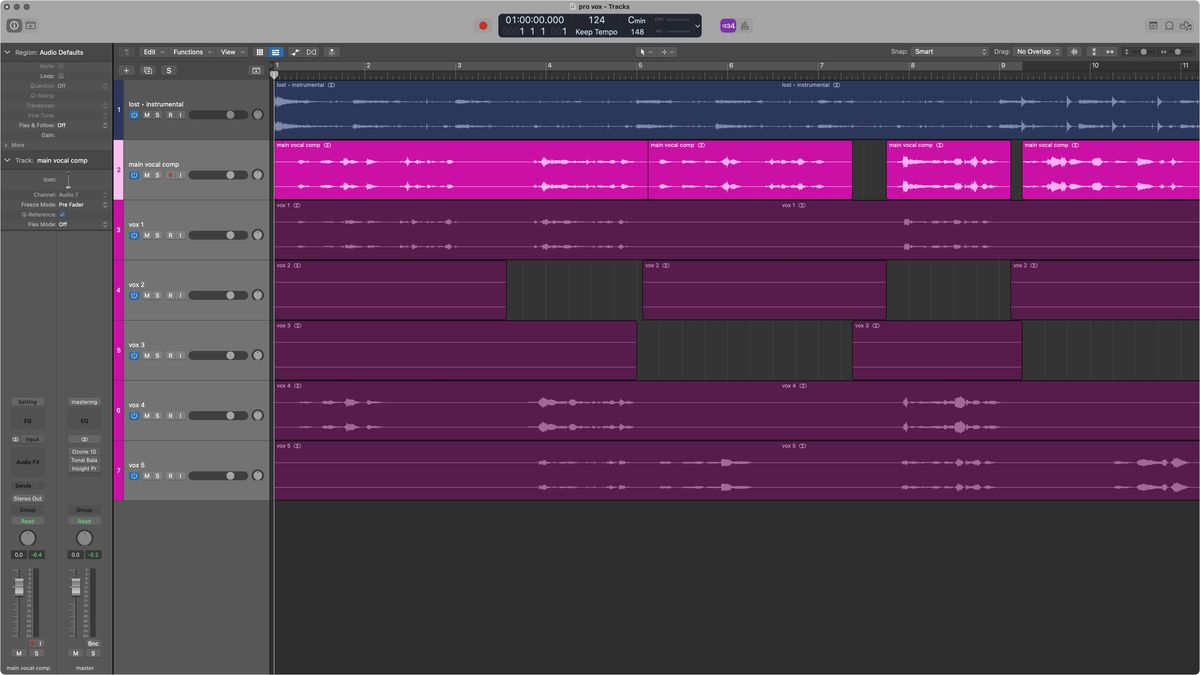
Before you build a new arrangement, you need to separate the original song into parts you can actually work with. The most reliable path is to find isolated recordings that other producers have already shared. Dedicated communities let you search to get stems to remix on a site like Remix.me, which can alert you when a track opens up and shows its stem availability, a resource you would want because it directly provides the raw building blocks for your remix. When you need to pull apart a song yourself, a browser-based tool such as StemFM accepts a supported Spotify, YouTube, or Apple Music link and processes the audio into four controllable stems after you start a new session. Once you have the vocal, the next step is to blend vocals with playback track inside your timeline, a technique you would want because it ensures your vocal sits cleanly over the instrumental without phase or timing issues. The official GarageBand workflow on iPhone confirms that you tap the Play button to stop recording, though you will still need to align transients by ear. One search that surfaces often is a teach me how to dougie remix MP3 free download, and applying the same stem-extraction method to audio you already own or have permission to use keeps your project on solid ground, which you would want because it lets you recreate that viral remix sound without risking copyright violations.
- teach me how to dougie remix MP3 free download — Teach Me How To Dougie Remix MP3 Free Download
- blend vocals with playback track — How To Blend Vocals With Playback Track
- to get stems to remix — Where To Get Stems To Remix
Making remixes in desktop software
Getting started in desktop software usually means deciding how much of the original recording you can actually control. You need to make that choice before you place a single kick drum. In FL Studio 26, the tools menu now includes a dedicated command. It loads a full track into the wizard, separates it into stems, and lays those parts across your playlist automatically. That same option appears right in the welcome window. You can jump straight into tearing a song apart without hunting through menus, which is exactly why you would want to read the article that teaches you how to remix a song in FL studio. If you want to learn exactly how to make a remix on fl studio 12, you may need to import stems you have already isolated elsewhere. The integrated stem splitter is specific to the current release. On a Mac, the approach shifts once you open GarageBand for iPhone or iPad. The remix FX controls let you scratch, reverse, and downsample audio in real time. They work across both the tracks area and the live loops grid. You finish recording a performance by tapping play to stop recording. When you set out to make remix songs on PC with a completely free toolkit, the workflow may rely on aligning extracted vocal and instrumental layers by hand. No official stem-separation feature is built into the editor. The same principle may apply whenever you make a remix of songs online free. You use a browser-based splitter first and then drag the results into your timeline. As you settle on a setup, the controls you actually reach for depend on your preferred style. You might like the pattern-based sequencing that helps you make a remix on fl studio with imported audio. Or you might prefer the live performance gestures that let you remix a song in GarageBand by riding an XY pad while the track runs. If you are curious about a completely free alternative, the guide on how to remix songs in audacity shows you how to slice and rearrange audio using only that open-source editor.
Remixing for specific genres and styles
When you set out to make a hardstyle remix, the defining challenge is transforming any vocal into something that can sit against a distorted kick drum.
If your goal is to create solid hip-hop beats on soundtrap, the browser-based Studio gives you a direct path that starts with the Smart Drummer and the Loop Library. After opening a new project, you can click the note icon to browse categories like Hip Hop and Drums, then drag an 808 loop from the Bass section and a melody loop from Synths straight into the arrange window. The core of a rap-ready beat comes down to three layers, drums, bass, and melody, looped at a starting tempo of 120 bpm, and you extend the beat by copying and pasting those parts to build the full song structure.
Fans of Nintendo’s rhythm games can use rhythm heaven remix editor to craft custom patterns on a desktop, where keyboard shortcuts like Ctrl+C, Ctrl+V, and Space for play/pause control a timeline that scrolls with the A and D keys. The editor lets you select music to choose an audio source, then shift the music start to align the downbeat with the bar line. Clicking the tempo position and scrolling with the mouse wheel lets you lock the grid to the song’s actual feel, and you can hold Ctrl to jump by 5 BPM for finer control.
Publishing your remix without getting it taken down
Once your remix is finished, the rules for sharing it change depending on the platform. Ignoring them is the fastest way to get a track muted or your account flagged. When you upload a remix to SoundCloud without copyright clearance, the platform’s own guidance is blunt. A track built from someone else’s song requires explicit permission from every rights holder involved in the underlying composition and any samples you used. This is true even if you are not monetising it. You can also post remixes of songs released under a Creative Commons licence. You can also enter a remix contest where the label has already granted blanket permissions. Another option is to obtain a direct licence from the publisher before you hit upload.
On TikTok, the native workflow is designed to sidestep this problem entirely. One way you remix songs on TikTok relies on the built-in Remix feature. This feature only appears on a video when the original creator has actively enabled it in their sharing settings. If the Remix button is not visible in the share menu, the creator has not enabled it. The creator’s permission setting controls whether you can use that audio as the basis for a new video. This keeps the process within a permissioned ecosystem. However, it limits you to content that is already on the platform rather than letting you bring in a finished remix from your desktop session. The situation is different if your goal is to make a remix on Spotify. The practical option is to use a distributor that handles licensing on your behalf. You must understand that your track may still be blocked if the rights holders have not cleared derivative works for streaming.