Home>Production & Technology>Buying and Building Stereo Systems
Production & Technology
Buying and Building Stereo Systems
Modified: 3 October 2026
Table of Contents
Planning your stereo system build
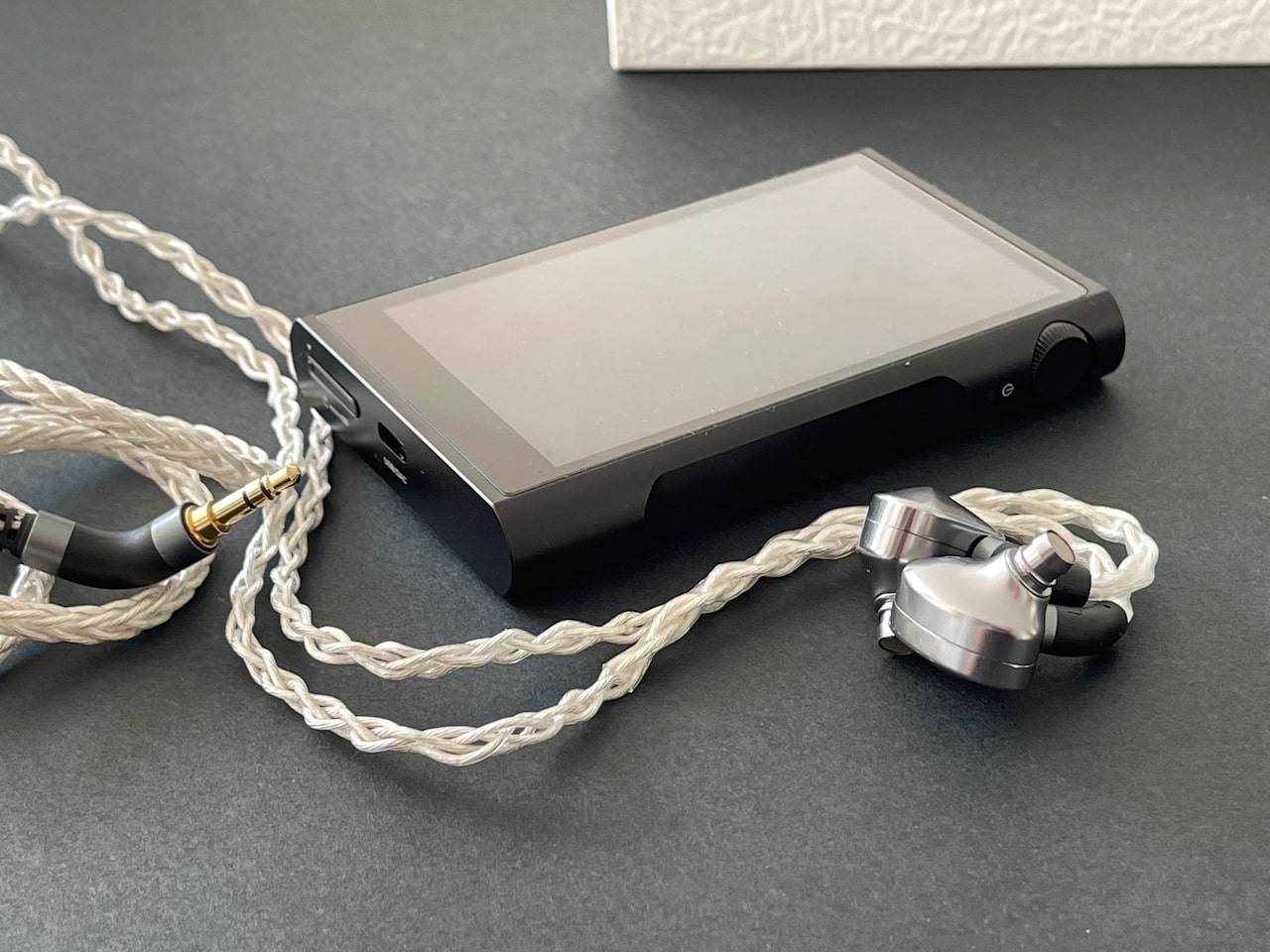
A successful stereo system build starts with a clear picture of how you want to listen. Deciding to build your own stereo system usually begins with the biggest fork in the road: whether you want the tactile satisfaction of older components or the convenience of wireless streaming, and your answer changes the entire parts list. If you love the warmth and look of silver-faced gear, you can build a vintage stereo system around a classic receiver, but you need to plan for its limitations, as many lack a dedicated subwoofer output and rely on speaker-level connections you may not have expected. On the other hand, if your project involves four wheels instead of a living room, you will quickly encounter the key factors in car stereo shopping, including matching the head unit’s depth to your dashboard cavity and checking the vehicle and stereo list to make sure the car is compatible with Android Auto. When you build a car stereo system, the wiring harness and trim kit become just as important as the amplifier you choose, and mapping out the full setup before you buy a single component prevents a dash full of loose plastic.
Buying new and used gear
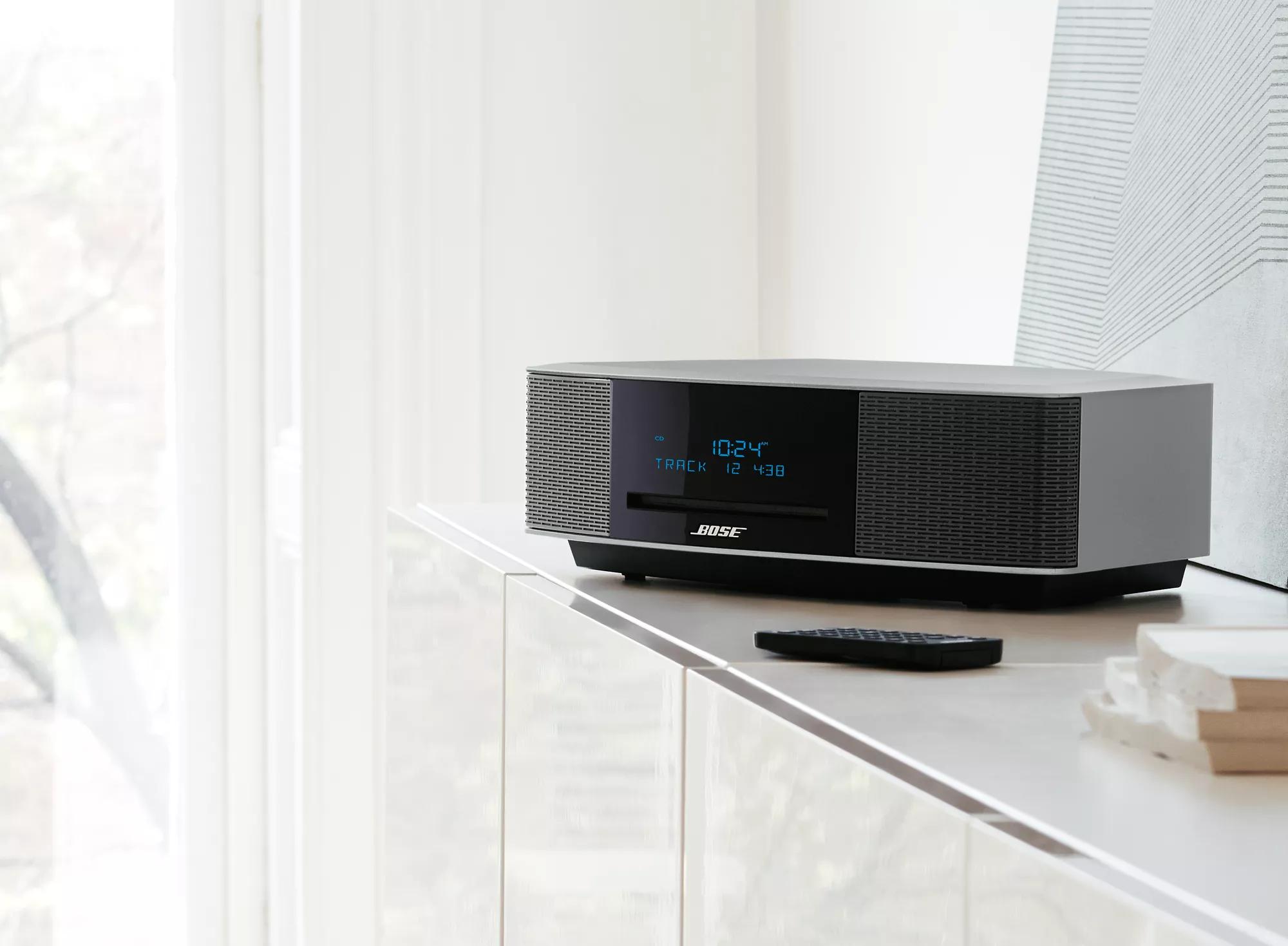
When you are ready to buy a home stereo system, the safest path for new gear is purchasing from an authorized retailer or directly from the manufacturer. This protects you from counterfeit products and voided warranties. If a deal seems too good to be true, a quick check on the brand’s official site can confirm whether the seller is legitimate before you hand over your money. The hunt for used components is different. Stepping into the world of vintage amplifiers or second-hand speakers means finding a reputable dealer who tests and stands behind their inventory rather than gambling on an unknown listing. Before you commit, always verify warranty coverage. Even a short guarantee can save you from discovering a failing power supply on your first weekend of listening. While your focus today might be on the living room, it is worth knowing that the process shifts completely when you set out to buy a car stereo system. In a vehicle, mounting hardware and wiring accessories often rival the electronics in importance. For those curious about the investment required, the cost of a car stereo system can vary based on integration with modern vehicle data networks. The cost of a new car stereo system often includes dash kits and harness adapters that can surprise a first-time buyer. Even the price of a Bose stereo system in the automotive world reflects the engineering needed to tune a cabin’s acoustics. This is a reminder that both home and mobile audio reward the builder who researches before swiping a credit card.
Selling your old equipment
Turning your current gear into cash before a new purchase changes the math of your whole project. The first question most people ask is where can I sell old stereo equipment that has been sitting unused. For home components, dedicated audio resellers and enthusiast forums often yield better returns than general marketplaces, because buyers in those spaces understand the value of a well-maintained integrated amplifier or a pair of floor-standing speakers.
The process shifts significantly when you need to sell my car audio equipment, as amplifiers, subwoofers, and component speakers tend to move faster on platforms where buyers search by vehicle-specific fitment. If you have a complete factory or aftermarket setup to sell my car stereo system, pulling the wiring harness and trim pieces carefully before listing makes your offer more attractive to someone who wants to drop the whole package into a matching vehicle. While the major manufacturer trade-in programs from Apple and Samsung are streamlined for phones and tablets, your old head unit and four-channel amp will need a different path to a new owner.
Installation and wiring basics
Before you touch a single cable, understand that the physical connections define what your system can do. The most common frustration comes when you try to hook up an amplifier to home stereo gear that was never designed to talk to one, such as pairing a modern power amp with a vintage receiver that lacks pre-out jacks. In those cases, a speaker-level to line-level converter connects between the receiver’s speaker terminals and the amplifier’s inputs.
When it is time to connect stereo speakers, pay attention to the bare wire at the end of each cable, because stray strands bridging the positive and negative terminals can cause a receiver to shut down into protection mode. If you decide to add extra speakers to stereo setups in a second room, be aware of your amplifier’s impedance handling. Running two pairs in parallel creates a lower load that can overheat a design never rated for it.
The process shifts entirely when you connect an amp to a factory stereo inside a vehicle, where you may need a line output converter to grab a clean signal from the speaker wires behind the dash. Before you arrange furniture, take the time to set up home stereo system speaker placement properly by positioning the speakers at ear level with the left and right channels symmetrical to your main listening seat.
Furniture and console projects
Finding the right piece of furniture often means deciding whether to start from scratch or give new life to something that already has good bones. If your components are piling up on a coffee table, you can build a stereo cabinet sized exactly for your turntable, amplifier, and record collection, paying close attention to ventilation so heat does not get trapped behind a solid door. The width and depth of vintage receivers in particular can surprise you, so measure each piece before cutting any wood.
For those drawn to mid-century design, the more rewarding path may be to update an old console stereo by gutting the failed original electronics and fitting modern components into the same cabinet. The tricky part is that the original speaker cavities were rarely designed for today’s drivers, so you will likely need to reinforce the baffle and add internal bracing to control resonance.
Once your gear is housed, adding a pair of Beats Pill speakers for casual listening in another room is straightforward. Open the Beats Pill+ app on iPhone or iPad, or the Beats app on Android, making sure one Beats Pill+ is turned on and connected while the second is turned on and discoverable. Then tap Stereo, tap the name of the second speaker to create the Stereo group, and tap Play on your device.
Car installation by vehicle
Before pulling the dash apart on a pickup, know that an install chevy colorado custom stereo job on 2004-2012 models can disable your warning chimes, so you must budget for the integration adapter that retains them, an article on this topic is essential reading if you want to avoid unexpected dashboard silence. The same caution applies to SUVs from that era, and an aftermarket stereo installation for a 2006 Chevy Equinox may require a data interface to retain select factory features; do not discover the chime loss after everything is buttoned up, which is exactly why you would want the article covering that specific setup.
Sedan owners face their own puzzle when they install a stereo in a 2011 chevy malibu, as the factory trim stack often requires a specific dash kit that relocates the climate controls to make room for a standard DIN chassis, reading the dedicated guide will save you from ordering the wrong parts. Truck cabs open up more possibilities for amplification, and when you install a stereo in a 2001 chevy silverado, you may find space behind the seat to mount a compact powered subwoofer without sacrificing legroom, making the step-by-step article a smart reference before you cut any carpet.
Moving to an import platform, trying to fit a standard stereo in a nissan 2007 frontier stereo may mean addressing the factory opening with a specific trim bezel to avoid unsightly gaps, and the linked article will show you exactly which bezel works. For those chasing higher output, planning to install a big stereo in a bm2 starts with running power cable through the firewall early, because cramming high-current wiring later with the interior assembled always takes twice as long as you expect, consulting the installation guide first is the fastest way to get that big system wired cleanly.
- aftermarket stereo installation for a 2006 Chevy Equinox — What Do I Need To Hook Up An Aftermarket Stereo In A 2006 Chevy Equinox
- fit a standard stereo in a nissan 2007 frontier stereo — How Do You Fit A Standard Stereo In A Nissan 2007 Frontier Stereo
- install a stereo in a 2001 chevy silverado — How To Install A Stereo In A 2001 Chevy Silverado
- install a stereo in a 2011 chevy malibu — How To Install A Stereo In A 2011 Chevy Malibu
- install chevy colorado custom stereo — How To Install Chevy Colorado Custom Stereo
- install a big stereo in a bm2 — How To Install A Big Stereo In A Bm2
Professional car installation
Before you hand your dashboard over to someone else, it is worth understanding what separates a rushed job from one where every trim clip finds its way back home. Finding a shop that will truly take care of your vehicle starts with knowing that a service built around professional car stereo installation should assign a single dedicated technician to your bay rather than cycling through multiple installers who lose track of what has already been disconnected.
When you book through a national chain, Best Buy installation fees are structured around standard labor for products purchased there. However, it does not cover the vehicle-specific dash kits, wiring harnesses, or extra time a stubborn factory amp bypass demands. The process of installing a car stereo through their system begins not with a screwdriver but with their online Car Fit Guide, which confirms compatibility before you ever put the receiver in your cart and pick an appointment slot. If you show up with a head unit you bought elsewhere, you may find the shop will not touch it, as the service is intended for products sold by the same retailer.
Deciding to hire a pro often comes down to realizing that the price of stereo installation is not a single flat number you can look up; the true cost reveals itself only after the fit guide has checked your specific vehicle against the gear you selected. You can choose and schedule installation online during checkout, or you can call to lock in a time afterward. On the day of the appointment, you must bring every adapter and module you purchased along with the receiver itself. The technician will remove the factory panels, build out the mounting kit and wiring interfaces, and walk you through every feature before you leave the bay. If your goal is simply to get a stereo installed without chasing down missing harness clips or cracking a brittle bezel, knowing these logistical steps ahead of time keeps the entire experience smooth.
Full car system builds
Taking on a full car audio build from scratch means accepting that you are the system integrator. The first real test is getting the digital heart of the system to talk to your phone before a single speaker fires. For iPhone users, the cleanest path is to go into Settings > General > CarPlay > Available Cars and choose the vehicle, though many aftermarket head units still rely on a direct USB connection to establish that first handshake. Android users can plug in via USB on most compatible stereos, but if you want wireless Android Auto, your hardware choices narrow to a compatible phone and a supported aftermarket car stereo from JVC, Kenwood, or Pioneer. Bluetooth alone is rarely the answer for anything beyond basic calls, and if the pairing screen refuses to populate, toggling Bluetooth off for about five seconds and back on inside Settings > Bluetooth often clears the stall faster than restarting the head unit. Once the connection is live, Spotify Connect, Bluetooth, AUX or USB cable, Android Auto, and Apple CarPlay all become available as playback paths depending on what the receiver supports, and matching the head unit’s input list to how you actually stream avoids the frustration of a beautiful setup that cannot play a single track. If you are ready to install car audio system hardware after the digital pairing is sorted, the step-by-step wiring and mounting procedures are a separate undertaking entirely.