Home>Production & Technology>Adding Music to Websites, Streams and Calls

Production & Technology
Adding Music to Websites, Streams and Calls
Modified: 3 October 2026
Table of Contents
Before you add music to website projects
Before you add music to website projects, streams, or calls, sort out your audio routing so the output is clean instead of a hollow, echoing mess. Most apps default to picking up whatever your speakers play. That means your listeners hear a distorted, delayed version of the track layered over your voice. To avoid that, you need a way to merge your microphone and your music into one tidy signal. This usually happens via a virtual audio device or a small hardware mixer. The first practical step on the streaming side is often figuring out how to have OBS not pick up my background music. This comes down to separating your audio sources and assigning them to different tracks in your audio routing setup. Your desktop sound then stays on a track you never broadcast. In a browser, you might simply need to stop background music on a website before you join a call. If you plan to remix or sample, you may want to download background music from a game. Use appropriate software to download background music from a game. And when you want to create background music for a song, use audio production software to build an instrumental bed.
Adding music to your website builder
Open the Wix editor and go to Add Elements on the left. Choose Video and Audio, then Wix Music, and drag a player onto your page. Click the player and open its control panel. Under the My Music tab you can pick an existing track from your Music Library or upload your own file. The Wix Music app can build a playlist and loop it across every page without a gap. This keeps the atmosphere consistent as visitors move around the site, and if you want to add background music on Wix, this method gives you full control over the listening experience.
To add background music to Squarespace, one documented method uses an embedded Spotify playlist. In the Spotify desktop app, open your playlist and click the ... menu. Hover Share and choose Embed playlist. Set the color and size, then copy the code. In Squarespace, add an Embed block to your target page and click the button to paste the snippet.
If you want to play background music on WordPress site, the Background Music Manager plugin allows you to add background music to your WordPress site. You will need to check its current compatibility and setup steps inside your own dashboard.
For Adobe Muse, no official help page was retrieved that documents how to add background music to a Muse website. You may need to rely on community forums or third-party tutorials to find a workable method.
Coding music into your site
When you want to put background music on a website HTML, the correct approach is to use the <audio> element with a src attribute or nested <source> elements pointing to your audio file, and you should avoid the deprecated <bgsound> tag entirely. If you need the track to start automatically and loop, add the autoplay and loop attributes, though many browsers now block autoplay unless the user has interacted with the page first or the audio is muted by default.
To put background music on tumblr, you can edit your theme’s HTML directly and insert an <audio> element into the code as a practical workaround for a continuous soundtrack, since the platform’s documented audio feature only lets you upload a file for an Audio post without giving you a persistent player across every page.
Playing music during video calls
When you need to play background music in zoom meeting, the platform does not offer a dedicated music-sharing toggle, so the reliable path is to route your audio through a virtual device that merges your microphone and music source before it reaches the meeting. The situation is much more straightforward if you want to play background music on teams, because Microsoft provides a built-in high fidelity music mode you can activate during a meeting by selecting the dropdown arrow next to Mic, choosing More audio settings, and turning on that mode, which is designed specifically for sharing music rather than speech. On iOS, you can adjust the noise suppression path under your profile picture by going into Settings, then Calling, and setting it to Low to let music transmit clearly. If your goal is to play background music on Google meet, the current in-call controls focus on noise cancellation and do not include a dedicated music feature, though the platform does support live sharing of audio as a practical workaround. To play background music on webex, you will similarly need to rely on a virtual audio cable or external mixer.
Streaming music to an audience
When you want to add background music to YouTube live, the core challenge is preventing your broadcast software from re-capturing the audio bleeding out of your speakers, which turns the mix into an echoey mess. Similarly, if you need to add background music in Facebook live, you must combine your microphone and music track into a single clean signal before it hits the streaming encoder. The most reliable way to do this across platforms is by using a virtual audio device, a digital mixer that merges separate audio streams invisibly. To add background music to streamlabs, the web-based Talk Studio editor offers a direct built-in method where you can click Share then Background Audio to import tracks from your device, and the music player appears on the left side of the studio. If you are trying to get music to play through YouTube while streaming from a different broadcasting tool, you will likely need to configure that software’s audio input to listen to your virtual cable rather than a physical microphone. This same arrangement is essential when you want to play background music on xsplit, where you must point the application’s audio source to the merged device that carries both your voice and the playlist.
Sharing music in communities and posts
Sharing a soundtrack with a community works a little differently than routing audio into a live call. When you want to play background music on Discord, the typical approach in a server is to invite a dedicated music bot into a voice channel, which streams audio directly to everyone listening without passing through your own microphone, keeping the sound crisp and avoiding the echo and feedback problems that happen when a mic picks up speaker output. For a more personal touch on your profile, you can add a background music to Facebook by pinning a song to the top of your profile. The feature is titled “How do I add or delete songs on my Facebook profile?” in the official Help Center and lets visitors hear a track when they land on your page. You can upload photo slideshow on Facebook with background music to turn a standard photo set into a more polished video post.
Setting up music on game consoles
When you want to play background music on PS5, the system gives you two distinct paths depending on what you are doing. Sony lets you control the ambient track on your home screen by visiting Settings > Sound > Audio Output. There you can toggle that built-in tune on or off. For your own playlist during a game, open Media Home and go to All Apps. Download Spotify or Apple Music and sign in. Then press the PS button to bring up the Control Center and select the Music card. Pick a song, album, or podcast that will keep running as you play.
To get background music on Xbox One, you work directly with one of the participating music app partners. Launch the app and start your playlist. Press the Home button to return to your game. The audio keeps going. You can double-tap the Home button at any time to open the guide for quick track changes or volume adjustments without pausing the action.
The situation shifts when you try to add background music in RetroPie. Enthusiast scripts exist that can pull tracks from a folder of .mp3 and .flac files. You should treat this as a community modification rather than a standard feature you can simply toggle on.
In every case, capturing your console for a stream or call requires an extra step. You still need to route that combined game and music audio via a virtual device or hardware mixer before it reaches your broadcast software. This ensures your viewers hear a clean mix instead of speaker bleed picked up by a room microphone.
Integrating music into game engines and creative tools
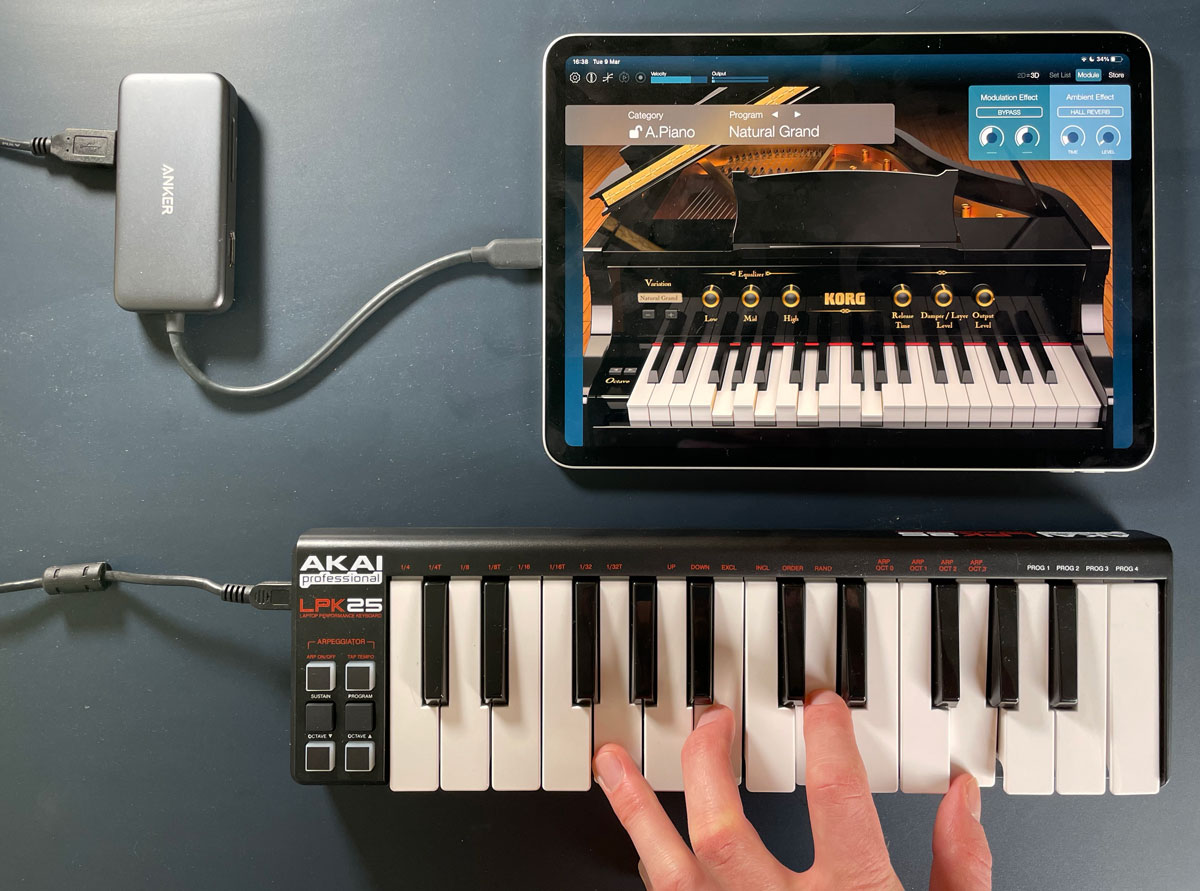
When you move from streaming tools into game engines, the approach to audio shifts from routing signals to attaching sound directly to objects in your scene. If you need to add background music to unity, start by importing your audio file into the Project window. Drag it into the Hierarchy to create a GameObject with an Audio Source component. In the Inspector you can enable Loop and adjust the Volume slider so the track persists across the entire scene. Unreal Engine users working with visual scripting often want to change background music from blueprint ue4. This involves triggering audio cues via the event graph rather than placing a single looping file. The exact nodes will depend on your project structure. For live performance setups, the signal chain works differently because you are dealing with a physical instrument. Musicians who play background music with electric violin typically route the instrument into an audio interface. From there it enters a digital audio workstation, where you can layer the violin over a backing track before sending the combined mix to your virtual device for the call or stream. On mobile, Apple gives you a system-level option that works across apps. To play background music on iPhone, open Settings > Accessibility > Audio & Visual and turn on Background Sounds. There you can select a sound, set its volume, and enable Use When Media Is Playing so it continues underneath other audio.